




The Complete Package: Eggs and Dairy
Often called nature's multivitamin, a single egg is a nutritional powerhouse. Eggs provide high-quality protein with all nine essential amino acids, which are the building blocks for a healthy body. They are also one of the few natural food sources of Vitamin
D, a nutrient many Indians are deficient in, which is crucial for absorbing calcium and maintaining strong bones. The yolk, once avoided for its cholesterol, is now understood to be a treasure trove of nutrients, including choline for brain health, and lutein for eye health. Similarly, dairy products like milk, yogurt, and paneer are exceptional sources of calcium, phosphorus, and Vitamin B12. Vitamin B12 is vital for nerve function and forming red blood cells, and deficiency is common, especially among vegetarians. Together, eggs and dairy deliver a combination of protein, healthy fats, and essential micronutrients that support everything from muscle repair to immune function.
Plant-Based Power: Pulses and Legumes
The humble dal, a staple in every Indian kitchen, is a hero of nutrition. Pulses—including lentils, chickpeas, and beans—are packed with plant-based protein, making them an excellent and affordable alternative to meat. But their benefits go far beyond protein. They are an incredible source of dietary fibre, which is essential for good digestion and helps keep you feeling full, aiding in weight management. This fibre also helps to stabilize blood sugar levels, making pulses a smart choice for everyone, including those with diabetes. Furthermore, pulses are rich in critical minerals like iron and folate. Iron is necessary for carrying oxygen in the blood, and deficiency is a major public health concern in India, particularly among women and children. Folate is another B-vitamin that is crucial, especially for women of childbearing age.
Nature’s Finest: Leafy Greens
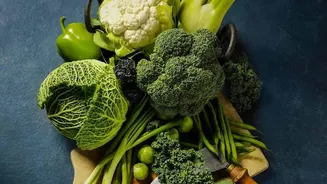
From spinach (palak) to fenugreek (methi), dark leafy greens are some of the most nutrient-dense foods available. They are loaded with vitamins like A, C, and K, along with minerals like iron and calcium. Vitamin A supports vision and immune health, while Vitamin C is a powerful antioxidant. The iron found in plant sources like spinach is best absorbed when paired with Vitamin C, a synergy that happens naturally when you eat a balanced meal. These greens also provide antioxidants and phytochemicals, which are beneficial plant compounds that you won't find in a standard vitamin pill. These compounds work together to protect your cells from damage and reduce inflammation. Including a variety of greens in your diet ensures you get a wide spectrum of these protective nutrients.
Food vs. Pills: The Absorption Advantage
The key reason whole foods often outperform supplements is bioavailability—the body's ability to absorb and use a nutrient. Nutrients in food come packaged in a complex matrix with fibre, enzymes, and other cofactors that help your body recognize and absorb them efficiently. For example, the fat in an egg yolk helps you absorb the fat-soluble vitamins A and D it contains. Supplements, on the other hand, often contain isolated, synthetic forms of nutrients that the body may not absorb as well. Moreover, whole foods provide dietary fibre, which is completely absent in supplements but is critical for gut health, blood sugar control, and preventing chronic diseases. While a pill can give you a high dose of a single vitamin, it can't replicate the synergistic effect of the thousands of nutrients working together in a simple meal.
When Are Supplements Necessary?
This isn't to say supplements have no role. They can be crucial for addressing specific, diagnosed deficiencies. For instance, a doctor might recommend an iron supplement for anaemia, Vitamin D for a severe deficiency, or Vitamin B12 for those on a strict vegan diet. Pregnant women often need folic acid supplements to prevent birth defects. However, for the general population, supplements should be seen as a targeted intervention used under medical guidance, not a substitute for a healthy diet. They are meant to 'supplement'—or fill in the gaps—not replace the foundational benefits of real food. Relying on pills for your nutrition means missing out on the complex array of benefits that whole foods provide.