




Why Humidity Wreaks Havoc on Hair
Understanding the enemy is the first step. High humidity means there's a lot of moisture in the air. Dry and porous hair tries to absorb this excess moisture, causing the hair shaft to swell up. This process lifts the hair's outer layer, or cuticle, resulting
in the dreaded frizz and a loss of smoothness. The constant dampness can also weaken hair follicles and disrupt the scalp's natural balance, making hair more prone to breakage and fall.
Start With a Healthy Scalp
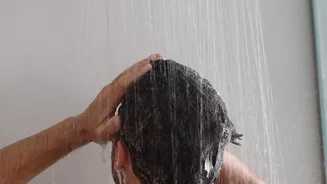
A healthy scalp is the foundation of good hair. During the monsoon, a damp scalp can become a breeding ground for fungal and bacterial infections, leading to dandruff, itchiness, and increased hair fall. To prevent this, wash your hair two to three times a week with a mild, sulphate-free shampoo to remove sweat, oil, and pollutant buildup. If you get caught in the rain, rinse your hair with clean water as soon as possible. Most importantly, never tie up wet or damp hair, as this traps moisture and encourages scalp issues. Always ensure your hair and scalp are completely dry.
The Battle Against Frizz
Conditioning is non-negotiable during the rainy season. After shampooing, always use a conditioner on the lengths of your hair to seal the cuticle, which helps prevent it from absorbing excess environmental moisture. For extra protection, apply a lightweight, anti-frizz serum to damp hair to create a barrier against humidity. A deep conditioning mask once a week can also provide an intense dose of hydration, making hair smoother and more manageable. When drying, gently squeeze out excess water with a soft microfibre towel instead of rubbing vigorously, as friction can worsen frizz.
Rethink Your Oiling Routine
While oiling is a cherished hair care ritual, heavy oiling during the monsoon can sometimes do more harm than good. Thick oils can trap sweat and dirt on an already humid scalp, potentially clogging follicles and worsening dandruff. Instead of leaving oil overnight, opt for a lighter oil like almond, argan, or jojoba. Apply it for an hour or two before washing your hair. This provides necessary nourishment without creating a greasy, suffocating layer on the scalp.
Smart Styling and Protection
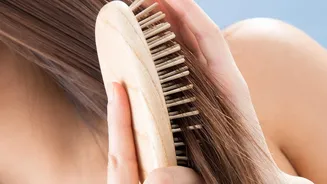
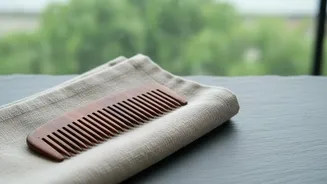
Hair is weaker and more fragile when wet, so it's best to handle it with care. Use a wide-toothed comb to gently detangle knots, starting from the ends and working your way up to the roots. Avoid aggressive brushing, especially on wet hair. It's also wise to minimise heat styling, as tools like straighteners and curlers can further damage already vulnerable strands. Protective hairstyles like loose braids, buns, or ponytails can be your best friend on particularly humid days, as they keep hair contained and reduce friction.
Nourish From the Inside Out
What you eat has a direct impact on your hair's health and resilience. A balanced diet rich in protein, iron, and essential vitamins can strengthen hair from the roots, making it less susceptible to breakage and seasonal hair fall. Incorporate foods like eggs, lentils, leafy green vegetables, nuts, and seasonal fruits into your meals. Staying hydrated by drinking plenty of water is also crucial for maintaining overall scalp and hair health.