




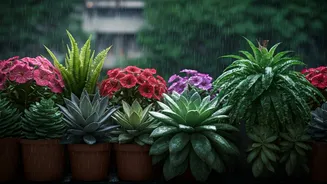


The Science of a Fresh Breath
Just like us, plants need to 'breathe'. They do this through tiny pores on their leaves, absorbing the carbon dioxide (CO2) that is essential for photosynthesis—the process of creating food. [1, 12] In a room with still, stagnant air, a plant can quickly
use up the available CO2 in its immediate vicinity. [1, 7] When this happens, its growth can slow down. [7] Proper ventilation ensures a constant supply of fresh, CO2-rich air, allowing your plant to photosynthesise efficiently and produce the energy it needs to grow. [1, 3, 8]
A Defence Against Disease
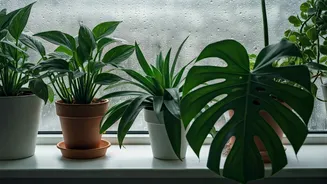
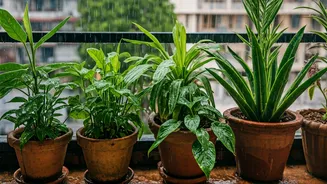
Poor air circulation creates pockets of humid, stagnant air around your plants. This damp environment is a perfect breeding ground for fungal and bacterial diseases like powdery mildew, root rot, and leaf spot. [1, 6] You might notice a white, powdery coating on leaves or dark spots appearing. [6] Good airflow helps moisture on leaves and soil to evaporate more quickly, which drastically reduces the chances of these harmful pathogens taking hold. [1, 5] This is especially important in humid climates, such as during the Indian monsoon, where indoor moisture levels can rise significantly.
Keeping Unwanted Pests Away
Besides diseases, that still, humid air is also an open invitation for common houseplant pests. [6] Insects like spider mites, fungus gnats, and mealybugs thrive in these calm, damp conditions. [1, 6] A steady breeze disrupts their environment, making it much harder for them to land, settle, and multiply. [14] So, if you're constantly battling tiny flies around your pots, improving air circulation could be a simple and effective part of your pest control strategy.
Building Stronger Stems
In nature, plants are constantly subjected to wind, which encourages them to grow strong, sturdy stems to withstand the elements. [4] Indoor plants miss out on this natural workout. A gentle, consistent airflow from a fan can mimic a natural breeze. [2, 4] This subtle movement encourages the plant to build a stronger stem structure, leading to a more robust and resilient plant overall. [7]
Simple Ways to Improve Airflow
You don't need a complex system to give your plants the air they need. Start by simply spacing your plants out; avoid crowding them together in a corner, as this traps air. [15, 19] Whenever the weather permits, open a window for a few hours to allow for natural air exchange. [2, 15] For a more consistent solution, a small, oscillating fan set on low is an excellent tool. [3, 15] Don't point it directly at your plants, as a strong draft can be harmful. [20] Instead, let it circulate the air around the room. [9] Rotating your plants weekly also ensures all sides get access to light and air. [1]
Signs Your Plant Needs More Air
Your plants will often tell you when they're struggling. Look out for signs of poor ventilation, which can sometimes be mistaken for other issues. These include mould or mildew on the leaves or soil surface, stunted or yellowing leaves, and weak, floppy stems. [1] A persistent problem with pests like fungus gnats is another strong indicator. [1] If you notice a musty smell or that the soil stays wet for a very long time after watering, it's a clear sign that the air around your plant is too stagnant and humid. [18]