


Why the Monsoon Changes Everything
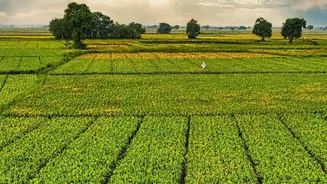
The magic of monsoon photography lies in its transformative power. Rain breathes new life into the land, turning familiar places into entirely new worlds. Dry hills become lush green slopes, waterfalls roar back to life, and city streets gleam with reflections.
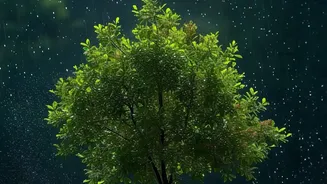
The overcast sky acts like a giant softbox, providing diffused, even lighting that eliminates harsh shadows and creates a soft, moody atmosphere perfect for portraits and landscapes. For a photographer, this isn’t just a change in weather; it’s a shift in perspective. The entire colour palette changes, with saturated greens, deep earthy tones, and dramatic grey skies adding natural contrast and depth to every frame. It's an invitation to capture fleeting moments—mist rolling through a valley, raindrops on a leaf, or the quiet pause as people watch the downpour.
Meghalaya: The Abode of Clouds
Known as one of the wettest places on Earth, Meghalaya is a prime destination for dramatic monsoon shots. The state’s name, translating to “the abode of clouds,” is a literal description of the experience. During the rains, from June to September, waterfalls like Nohkalikai and the Seven Sisters are in full, thunderous flow. The landscape around Cherrapunji (Sohra) and Mawsynram is a spectacle of deep gorges, cascading falls, and ancient living root bridges glistening under the constant drizzle. For photographers, the appeal is the ever-changing atmosphere; dense fog can envelop a valley one moment and clear the next, revealing breathtaking views. Locations like Laitlum Canyons offer panoramic vistas of verdant valleys shrouded in mist, creating an ethereal, almost surreal scene.
The Western Ghats: A Symphony in Green
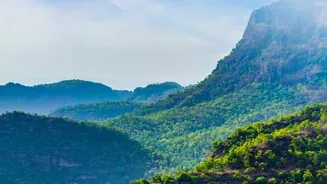
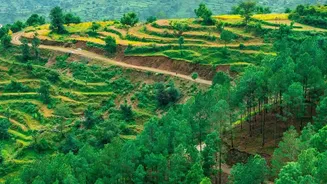
Stretching across states like Maharashtra, Karnataka, and Kerala, the Western Ghats become a paradise of green during the monsoon. In Maharashtra, hill stations like Lonavala and Mahabaleshwar are favourites for their accessible, foggy viewpoints and overflowing waterfalls that appear along the roads. The hillsides turn a vibrant green, and the clouds often descend to eye level, creating layered, atmospheric compositions. Further south, Coorg in Karnataka offers rain-drenched coffee plantations, misty forests, and the powerful Abbey and Iruppu Falls. The region is perfect for capturing moody forest roads and the delicate texture of raindrops on coffee leaves. For those seeking a unique experience, places like Agumbe host nocturnal frog walks, providing a chance to photograph rare amphibians that emerge only during the rains.
Kerala: God's Own Country, Reimagined
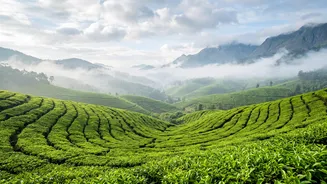
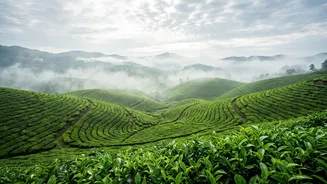
While famous for its serene backwaters, Kerala transforms into a lush, dramatic landscape during the monsoon. Munnar is a standout location, where mist clings to the rolling hills of tea plantations, creating soft, layered frames. The rain washes the tea gardens, making their green hues incredibly vibrant. Photographers can find endless subjects here, from waterfalls like Attukad to the fog that moves across winding roads. The Thoovanam Waterfalls trek, a guided hike through the Chinnar Wildlife Sanctuary, offers a chance to capture a powerful cascade deep within the jungle. The beauty of monsoon in Kerala lies in these quiet, rain-soaked moments, whether it's watching the clouds drift over a lake or focusing on the intricate patterns of raindrops on a banana leaf.
Valley of Flowers: A Himalayan Bloom
A UNESCO World Heritage Site in Uttarakhand, the Valley of Flowers opens only during the monsoon, and for good reason. From July to September, the valley becomes a vibrant carpet of hundreds of species of alpine wildflowers. The rain and mist intensify the colours of the orchids, poppies, and primulas, making it a dream destination for landscape and macro photographers. The gentle rain and soft light create perfect conditions for capturing the delicate beauty of the blooms against a backdrop of snow-capped peaks veiled in mist. Every turn on the trail offers a new composition, a fleeting masterpiece painted by nature itself.
Practical Tips for Monsoon Photography
Shooting in the rain requires preparation. Protecting your gear is paramount; a good quality rain cover or a waterproof camera housing is essential. Always carry microfiber cloths to wipe your lens and silica gel packs in your bag to absorb moisture. Creatively, the rain offers unique opportunities. Use a fast shutter speed (1/500s or higher) to freeze individual raindrops or a slower one (around 1/60s) to create artistic streaks. Look for reflections in puddles and on wet streets to add depth and symmetry to your compositions. Finally, don’t be afraid of the dramatic, overcast sky; use a wide-angle lens to make it a powerful element in your storytelling.