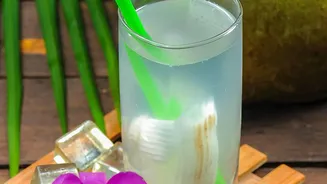







The Summer Workout Cramp Conundrum
As temperatures rise, so does your sweat rate. While sweating is the body's natural cooling system, it also means you're losing vital fluids and electrolytes faster than usual. These electrolytes, particularly sodium and potassium, are essential minerals
that help regulate muscle contractions and nerve function. When these stores get depleted through excessive sweating, the communication between nerves and muscles can misfire, leading to involuntary and often painful muscle cramps. This is why a simple bottle of plain water sometimes isn't enough to fend off cramps during a strenuous summer run or an intense gym session.
Coconut Water: Nature’s Electrolyte Source
Often dubbed "nature's sports drink," coconut water is praised for its natural electrolyte content. It is particularly rich in potassium, a mineral crucial for muscle function and fluid balance. A single cup can contain around 600 mg of potassium, which is more than the average sports drink. It also provides other electrolytes like magnesium and calcium. However, for intense exercise, coconut water has one significant drawback: it is naturally low in sodium. Sodium is the primary electrolyte lost through sweat, and replacing it is critical for preventing cramps and maintaining hydration.
The Missing Piece: The Power of Salt
This is where a simple household ingredient comes in: salt. Salt is primarily composed of sodium chloride, and adding it to your pre-workout drink helps replenish the very mineral you lose most in sweat. Sodium plays a starring role in hydration by helping your body retain fluid in your cells, which is essential during a workout. Without enough sodium, you risk not only muscle cramps but also a dangerous condition called hyponatremia, where the body's sodium levels become dangerously diluted from drinking too much plain water. Adding a small amount of salt can significantly improve how well your body absorbs and holds onto the fluids you drink.
Your Pre-Workout Elixir: How to Make It
Creating this hydrating powerhouse is simple. The goal isn't to make your drink taste salty, but to provide just enough sodium to be effective. A good rule of thumb is to add about 1/8 to 1/4 of a teaspoon of high-quality sea salt or Himalayan pink salt to a litre of coconut water. This small amount adds approximately 300-600 milligrams of sodium, turning your potassium-rich coconut water into a more balanced electrolyte drink. Stir or shake well until the salt has completely dissolved. You can also add a squeeze of lemon or lime for flavour and an extra boost of vitamin C.
Timing is Everything: When to Drink Up
To get the most benefit, timing your hydration is key. Experts recommend starting to hydrate well before your workout begins. Aim to drink your salt-infused coconut water one to two hours before you start exercising. This gives your body ample time to absorb the fluids and electrolytes, ensuring your muscles are properly fueled and your fluid levels are topped up before you even start to sweat. Sipping on it during a particularly long or intense workout in the heat can also be beneficial, but avoid chugging large amounts at once.
Is This For Everyone? A Word of Caution
While this hydration strategy is effective for many active individuals, it’s not a one-size-fits-all solution. Most people already get plenty of sodium in their daily diets, so adding more isn't always necessary for light activity. This drink is most beneficial for endurance athletes, those who sweat heavily, or anyone exercising in hot and humid conditions for an extended period. Individuals with high blood pressure or other medical conditions that require monitoring sodium intake should consult their doctor before adding extra salt to their diet. The key is to listen to your body and adjust your hydration strategy based on your personal needs and workout intensity.