



What is GRAP?
GRAP, or the Graded Response Action Plan, is a set of emergency measures that are implemented to combat air pollution in the Delhi-NCR region. Instead of waiting for a public health crisis, GRAP allows authorities to act pre-emptively. Think of it as a playbook
with four stages, each tied to the severity of the Air Quality Index (AQI). Stage I is for 'Poor' air quality, while Stages II, III, and IV correspond to 'Very Poor,' 'Severe,' and 'Severe Plus' levels, respectively. The Commission for Air Quality Management (CAQM), a statutory body, is responsible for invoking and coordinating these measures across Delhi and its neighbouring cities in Haryana, Uttar Pradesh, and Rajasthan.
Why Was Stage 1 Activated Now?
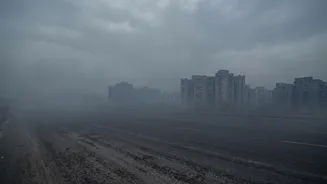
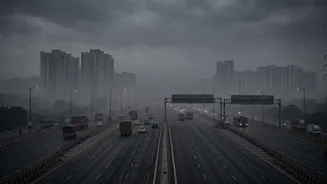
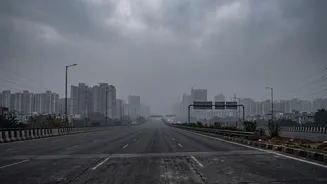
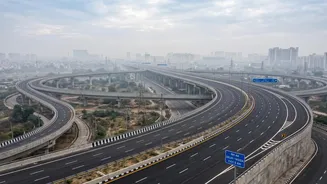
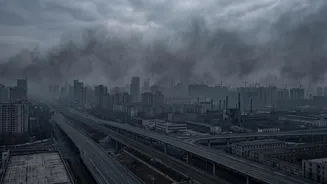
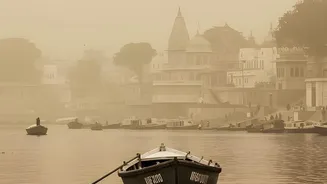
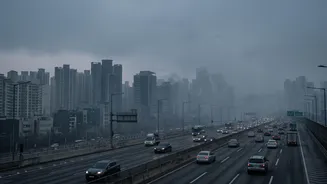
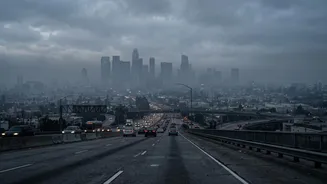
The activation of GRAP Stage 1 was triggered by a sharp decline in air quality. On October 21, Delhi’s AQI jumped to 244, firmly placing it in the 'poor' category (AQI 201-300). This followed an AQI of 179 ('moderate') just a day earlier. Forecasts from the India Meteorological Department (IMD) and the Indian Institute of Tropical Meteorology (IITM) predict that the air quality is likely to remain in the 'poor' category in the coming days, necessitating these early interventions to prevent the situation from worsening. Haze has already begun to envelop parts of the city, signalling the start of the winter pollution season.
Key Restrictions and Rules
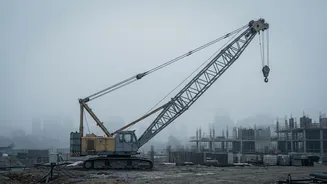
GRAP Stage 1 focuses on curbing pollution at its source. For residents and businesses, this means a few immediate changes. There is a strict ban on open burning of waste, and authorities will increase surveillance at landfill sites. The use of coal and firewood in tandoors at hotels and restaurants is prohibited. For industries and commercial establishments, the use of diesel generator sets is restricted only to emergencies and essential services. Authorities will also intensify dust control measures, including mechanised sweeping and sprinkling water on roads, particularly in high-traffic corridors. While major construction is not banned at this stage, enforcement of dust mitigation rules at all C&D sites will be strict.
How It Affects Your Daily Life
For the average citizen, GRAP Stage 1 is more of a yellow flag than a red one. Your daily commute is not directly restricted, but you will be encouraged to use public transport and ensure your vehicle has a valid Pollution Under Control (PUC) certificate. Fines for not having a valid PUC can be as high as ₹10,000. Expect to see more water sprinklers and road sweeping machines on your routes. If you live near a construction site, you should see more stringent measures like green netting and regular watering to control dust. The ban on coal-fired tandoors might affect some eateries. The primary goal is to prevent the 'poor' air from turning 'severe,' which would trigger much harsher restrictions on vehicles and construction under later stages.
What Comes Next?
The CAQM will continuously monitor the air quality. If the AQI worsens and enters the 'Very Poor' category (301-400), Stage II will be invoked, which includes stricter limits on diesel generators and increased parking fees to discourage private vehicle use. Stage III ('Severe') brings a ban on non-essential construction and demolition, and restrictions on certain categories of vehicles. Stage IV ('Severe Plus') is the most extreme, involving measures like banning the entry of trucks into Delhi and considering a shift to online classes for schools. The entire system is dynamic; if the air quality improves, the restrictions can be rolled back. The key is for agencies and citizens to act now to avoid reaching those more disruptive stages.