

The Heart of Flavour: The Seasoning Mix
The magic of street-style bread pakora is in its vibrant, tangy, and spicy flavour profile, which comes from a well-balanced blend of seasonings. This isn't just about heat; it's about a symphony of spices. For the quintessential potato filling, the key
players include amchoor (dry mango powder) for a sour kick, and chaat masala for a complex, tangy flavour. Toasted and crushed whole spices, like coriander seeds and fennel seeds, can add a coarse texture and deep aroma that sets street food apart. Other essential spices for the filling are turmeric for colour, red chilli powder for heat, garam masala for warmth, and fresh herbs like green chillies and coriander leaves for freshness. Don't be shy with the seasoning; the bread and batter will mellow the flavours, so the potato mixture should taste slightly more potent on its own.
Crafting the Perfect Aloo Filling
The filling is the soul of the pakora. Start by boiling potatoes until they are fork-tender but not mushy, as overcooked potatoes can make the filling watery. Once cooled and peeled, mash them until they are mostly smooth but still have some texture. Heat a small amount of oil in a pan and add cumin seeds, letting them crackle to release their flavour. Some recipes also call for asafoetida (hing), chopped ginger, and green chillies to be sautéed at this stage for an aromatic base. Turn down the heat and add your powdered spices: turmeric, red chilli powder, garam masala, and the all-important amchoor or chaat masala. Stir these into the oil for a few seconds before adding the mashed potatoes. Mix everything thoroughly, ensuring the spices are evenly distributed. Finally, stir in a generous amount of chopped fresh coriander and let the mixture cool completely before using it. A cool filling is crucial to prevent the bread from becoming soggy.
The Crispy Coating: Nailing the Besan Batter
A perfect batter is what gives the bread pakora its signature crunch. The base is besan (gram flour), which should be sifted to avoid lumps. For an extra crispy texture, a common street-style trick is to add a few tablespoons of rice flour or cornstarch to the besan. The seasoning for the batter is simpler but just as important. Typically, it includes salt, red chilli powder, turmeric, and ajwain (carom seeds), which are lightly crushed between your palms before adding to release their distinct flavour and aid digestion. A pinch of baking soda is often added to create a lighter, airier texture. Gradually add water while whisking continuously to form a smooth, flowing batter. The ideal consistency is medium-thick—it should coat the back of a spoon without being too runny or too dense. A runny batter will absorb too much oil, while a thick one will result in a heavy, doughy coating. For a final pro-tip, add a spoonful of the hot frying oil to the batter just before you start frying; this helps make the pakoras crispier.
Assembly and Frying to Golden Perfection
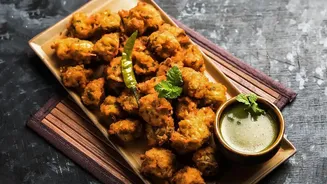
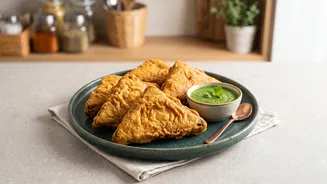
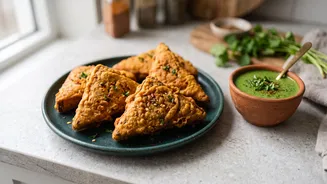
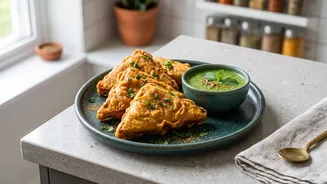
With your components ready, it's time to assemble. Take two slices of bread; many vendors apply a layer of green chutney on one slice and sometimes a sweet tamarind chutney or tomato ketchup on the other for an extra layer of flavour. Spread a generous, even layer of the cooled potato filling on one slice and top it with the second slice, pressing down gently to create a sandwich. Cut the sandwich diagonally to form two triangles. Now, heat your oil in a deep pan or kadai over a medium flame. The oil temperature is critical; if it's too hot, the pakora will brown too quickly and be raw inside, and if it's not hot enough, it will soak up oil and become greasy. Dip a stuffed triangle into the besan batter, ensuring it's evenly coated on all sides. Let any excess batter drip off before gently sliding it into the hot oil. Don't overcrowd the pan. Fry the pakoras, turning occasionally, until they are deep golden brown and crispy on all sides. For an even crispier result, you can double-fry them: fry them once until light golden, remove and let them cool slightly, then fry them again until deep brown just before serving.