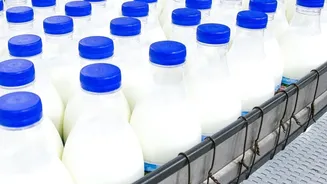








The daily glass of milk is set to get more expensive for households across Maharashtra. Dairies have announced a significant price hike, adding pressure to already strained family budgets and raising questions about the forces driving up costs.
The Rs 4 Price Shock in Maharashtra
Starting
November 16, consumers in Maharashtra will have to pay up to Rs 4 more for a litre of both cow and buffalo milk. The decision was announced by the Maharashtra Milk Producers and Traders Welfare Association after a meeting in Pune attended by representatives from around 50 cooperative and private dairy brands. This move follows a smaller Rs 2 per litre increase that was implemented just a few months ago in August. The association also flagged a potential 10% increase in the prices of other dairy products, signalling a broad-based rise in costs for essentials like curd, paneer, and ghee. The hike reflects a consensus among major dairy players in the state that rising operational costs can no longer be absorbed.
Why Your Milk Costs More
The primary driver behind this price surge is a sharp increase in the cost of production that affects everyone in the supply chain, from the farmer to the distributor. Dairy associations have cited a perfect storm of rising expenses. Key among them is the cost of cattle feed and fodder, which accounts for up to 75% of the total cost of milk production. Uneven monsoon rains have impacted the availability of green fodder, pushing prices up by as much as 20%. Simultaneously, the cost of other feed ingredients like maize and oil cakes has also climbed. Beyond the farm gate, operational costs have ballooned. Expenses for fuel, transportation, packaging materials like plastic film, and labour have all seen significant increases, putting immense pressure on dairy processors.
A National Trend, Not an Isolated Hike
While the Rs 4 increase is specific to Maharashtra, it is part of a larger, nationwide trend. Just days before the Maharashtra announcement, national dairy giants Amul and Mother Dairy increased their prices by Rs 2 to Rs 4 per litre across the country, effective November 12. Both companies pointed to the same reasons: higher milk procurement costs from farmers and escalating operational expenses. Similar price hikes have been seen in other states as well, including Karnataka, where the popular Nandini brand raised prices, and Assam, where milk became more expensive from November 16. This pattern indicates that the economic pressures are not limited to one region but are affecting the entire Indian dairy industry, even during the winter 'flush season' when milk supply is typically abundant.
The Ripple Effect on Households and Businesses
For millions of Indian families, milk is a non-negotiable daily staple. An increase of Rs 4 per litre can significantly impact monthly household budgets, especially for lower and middle-income groups who dedicate a large portion of their food expenditure to dairy. The effect extends beyond the home kitchen. Small businesses that rely on milk as a primary ingredient, such as local tea stalls, sweet shops, and restaurants, will also feel the pinch. They face the difficult choice of either absorbing the higher cost and reducing their margins or passing the price increase on to their customers, which could potentially drive away business. This ripple effect means the price hike will be felt across various sectors of the local economy.
Are Farmers Benefiting?
When consumers pay more, a common question is whether that extra money is reaching the farmers. Dairy cooperatives argue that a significant portion of the sales revenue—often 75-80%—is passed back to the milk producers. They state that price hikes are necessary to increase the procurement price paid to farmers, compensating them for the higher costs of fodder and animal upkeep. However, the reality is complex. Farmers are on the front line of rising input costs. While they may receive a higher procurement price after a retail hike, it often just helps them break even against their own increased expenses for feed and veterinary care. The cycle of rising costs from farm to consumer leaves little room for increased profits at any stage of the chain. Moreover, the lingering effects of Lumpy Skin Disease, which impacted cattle health and milk yield in recent years, continue to add to farmers' financial strain.