

The Foundation of Fasting
The nine days of Navratri are a time for spiritual reflection, and for many, this involves fasting or 'vrat'. The dietary rules are rooted in Ayurvedic principles, favouring 'sattvic' foods that are light, pure, and calming for the mind and body. This
means avoiding regular grains like wheat and rice, lentils, onions, garlic, and processed items. The goal is to give the digestive system a rest and purify the body, aligning with the seasonal change that Navratri marks. This practice of discipline, or 'tapas', is considered an act of devotion. Instead of common cereals ('anaj'), the diet shifts to specific alternatives that are considered permissible.
Sabudana: The Pearl of Energy
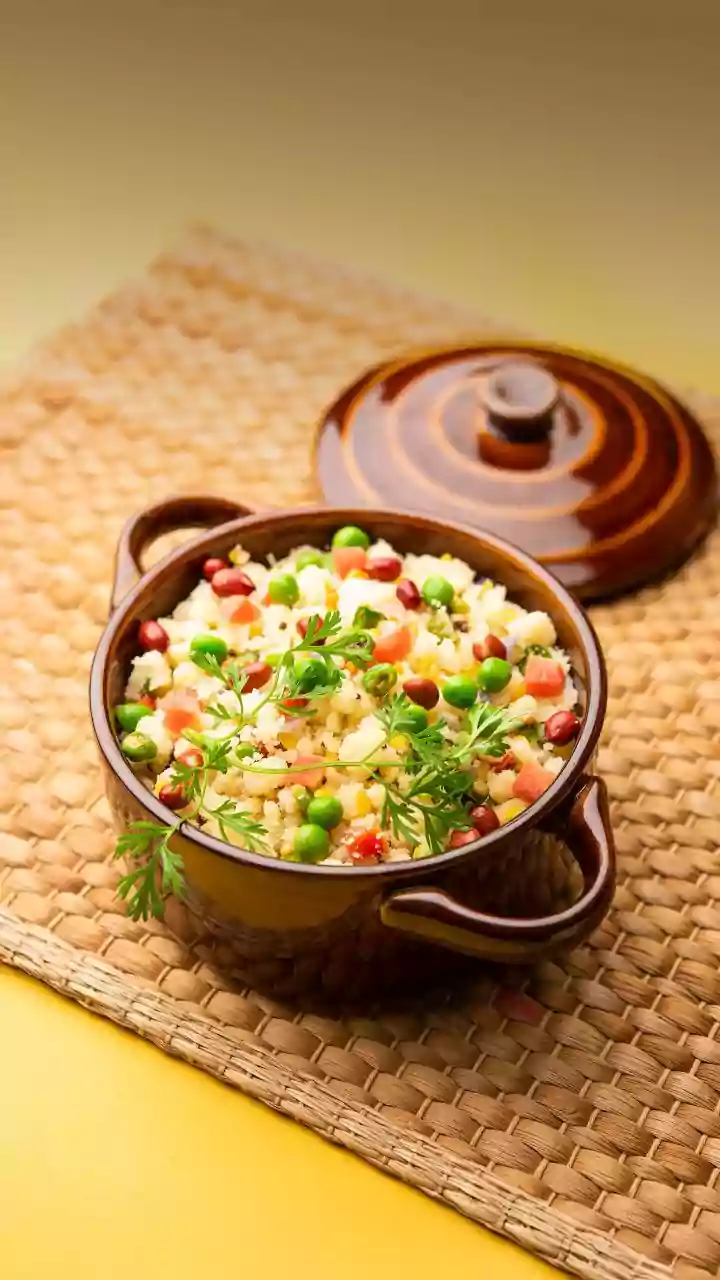
Sabudana, or tapioca pearls, are a fasting favourite, appearing in comforting khichdi and crispy vadas. The primary reason for its inclusion is simple: it is not a grain. Sabudana is a processed starch extracted from the root of the cassava plant. Being almost pure carbohydrate, it provides a quick and sustained release of energy, which is crucial for maintaining stamina during a fast. Its light and easy-to-digest nature ensures it doesn't overburden the digestive system, while its versatility allows for both savoury and sweet preparations. Furthermore, traditional wisdom suggests sabudana has a cooling effect on the body, which can be beneficial when fasting generates heat.
Kuttu: The Nutrient-Rich 'Pseudo-Grain'
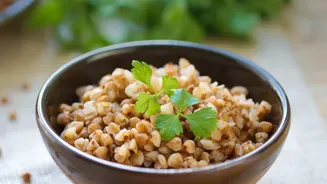
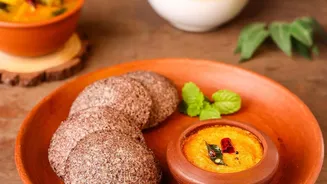
Kuttu ka atta, or buckwheat flour, is another cornerstone of the Navratri diet. Despite its name, buckwheat is not related to wheat. It is technically the seed of a fruit, which is why it is permitted during a fast when true cereals are avoided. This 'pseudo-cereal' is a nutritional powerhouse. It is rich in high-quality protein, dietary fiber, and essential minerals like magnesium and iron. This makes it incredibly satiating, helping to keep hunger at bay. The fiber aids digestion and boosts metabolism, preventing the sluggishness that can sometimes accompany fasting. Its gluten-free nature is an added bonus, offering a wholesome alternative for making puris, rotis, and pakoras.
Singhara: The Cooling and Light Flour
Singhare ka atta, or water chestnut flour, is derived from dried, ground water chestnuts. Like buckwheat, it is not a cereal grain but the fruit of an aquatic plant, making it a 'falahari' or fruit-based diet component. This flour is prized for its cooling properties, which complements the Ayurvedic goal of balancing the body during a period of dietary change. It is lighter than kuttu atta and is a good source of potassium and fiber, while being relatively low in calories. Singhara atta is naturally gluten-free and is used to make rotis, puris, and sweets that are easy on the stomach. Its inclusion ensures that the fasting diet remains varied and nutritionally balanced.
A Fusion of Faith and Function
The choice of sabudana, kuttu, and singhara during Navratri is a perfect example of tradition backed by practical wisdom. These ingredients are not just arbitrary substitutes for forbidden grains; they are chosen for specific properties that support the body and mind during a fast. They provide essential energy through complex carbohydrates, deliver vital nutrients like protein and minerals, and give the digestive system a much-needed break from heavy, gluten-containing grains. This ancient dietary plan, designed for spiritual purification, aligns remarkably well with modern concepts of detoxification and mindful eating. It ensures that the fast is an experience of rejuvenation, not deprivation.