





A Greener Welcome to 'God's Own Country'
Kerala is reinforcing its commitment to sustainable tourism with a series of measures designed to tackle waste and reduce plastic pollution in its most cherished destinations. These efforts are part of a broader strategy under the state's long-standing
Responsible Tourism (RT) Mission, which seeks to balance tourism growth with environmental protection and community welfare. The latest push includes stricter enforcement of plastic bans, particularly in ecologically sensitive areas, and clearer instructions for travellers on how to be a part of the solution. The goal is not just to clean up destinations, but to fundamentally shift the approach from reactive cleanups to proactive care, ensuring the state's natural allure remains pristine for generations to come.
The Challenge of a Growing Footprint
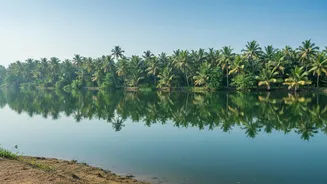
With its stunning backwaters, misty hill stations, and serene beaches, Kerala attracts millions of tourists annually. However, this popularity has brought significant challenges, including waste accumulation, inadequate sanitation in some areas, and the environmental strain of single-use plastics. Destinations like Munnar, Thekkady, and various coastal areas have seen a rise in litter, which not only mars the scenery but also harms fragile ecosystems. Recognizing this, the state government and courts have stepped in, mandating rules to manage the tourism sector's environmental footprint. These policies aim to link the number of visitors a destination can host with its capacity to manage the waste generated, a concept known as carrying capacity.
What Visitors Need to Know
For travellers planning a trip to Kerala, being a responsible tourist is now easier with clear guidelines. A key rule is to avoid single-use plastics. In many tourist hotspots, especially hill stations like Munnar, single-use plastic water bottles, disposable cutlery, and plastic carry bags are strictly prohibited. Visitors are encouraged to carry reusable water bottles, which can be refilled at most hotels and restaurants. Designated bins for biodegradable and non-biodegradable waste are being placed at key venues, and visitors are expected to use them correctly. In some areas, authorities have set up check-posts at entry points to inspect vehicles for banned plastic items. Following these simple rules—refusing single-use plastics and properly disposing of any waste—is the most effective way travellers can contribute.
Green Marshals: Your Guide to Responsible Travel
To assist visitors and ensure the new rules are followed, the Kerala Tourism Department has launched an ambitious 'Green Marshal' initiative. These marshals, deployed in key tourist destinations like Munnar, Alappuzha, and Kovalam, serve as a friendly, informative presence on the ground. Dressed in distinctive green and white uniforms, their role is not punitive but educational. They guide tourists on responsible travel habits, enforce the green protocol against littering, provide local information, and help coordinate cleanup efforts. Think of them as visitor-friendly environmental stewards, there to help you enjoy your trip while respecting the local environment.
A Model for Indian Tourism
Kerala's comprehensive approach, which combines policy-making, High Court directives, on-ground enforcement, and public awareness, is setting a new benchmark for sustainable tourism in India. The state's ‘Green Protocol’ is being strictly enforced at major events like the Onam celebrations, banning PVC flex banners and disposable plates in favour of eco-friendly alternatives. Hotels and resorts are also being encouraged to adopt sustainable practices through a 'Responsible Tourism Classification' system, rewarding properties that meet high environmental standards. By making sustainability a core part of its tourism policy, Kerala is not just preserving its own assets but also creating a model that other states can follow to protect their natural and cultural heritage from the pressures of tourism.