




Monitor the Weather Forecast
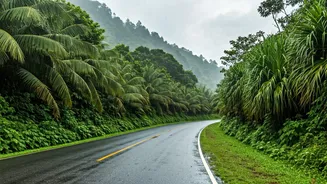
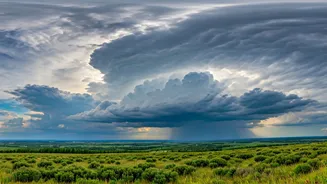
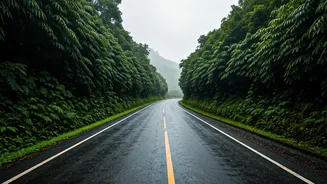
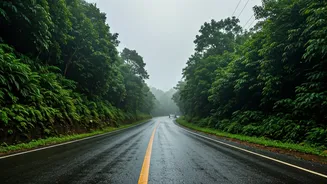
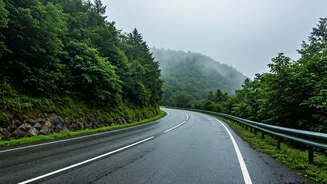
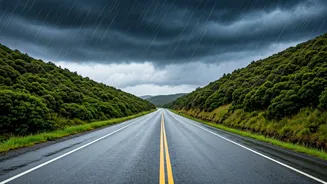
July is peak monsoon in the Western Ghats, and conditions can change rapidly. The India Meteorological Department (IMD) has forecast heavy to very heavy rainfall for the ghat areas of Maharashtra this week. Expect persistent showers, dense fog, and reduced
visibility, especially in Mahabaleshwar, which is known for being one of the wettest places in the region. Before you leave, check the latest weather alerts from reliable sources like the IMD. If an orange or red alert is in effect, which signals a high risk of extremely heavy rain and landslides, it is safest to postpone your travel. Driving in such conditions is not just difficult but extremely dangerous.
Prepare Your Vehicle Thoroughly
Your car is your first line of defence against monsoon hazards. Before you start your journey, conduct a complete vehicle check. Ensure your tyres have adequate tread depth to grip slippery roads and are properly inflated. Test your brakes, as you'll be relying on them heavily on steep descents. Check that your headlights, brake lights, and indicators are all functioning perfectly for maximum visibility in the rain. Finally, make sure your windshield wipers are not cracked or worn out; they are critical for maintaining a clear view during a downpour. Topping up your windshield washer fluid is also a good idea.
Mastering the Ghat Roads
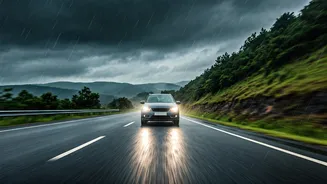
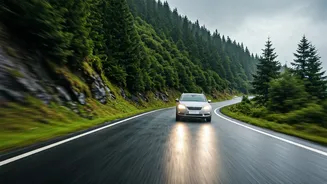
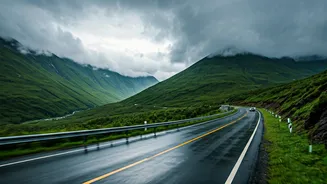
Driving in the ghats during monsoon requires a completely different approach. Reduce your speed significantly, as braking distances are longer on wet roads. Maintain a generous distance from the vehicle ahead. When descending steep slopes, use a lower gear to control your speed and reduce the strain on your brakes—a technique known as engine braking. Always honk around blind curves to alert oncoming traffic of your presence. A crucial rule of ghat driving is to give way to vehicles travelling uphill, as they have the right of way. Avoid sudden acceleration or braking, which can cause your vehicle to skid.
Beware of Landslides and Waterlogging
Heavy rains saturate the soil on hillsides, increasing the risk of landslides and rockfalls. The authorities often warn about specific vulnerable stretches, so stay informed through local news and traffic police advisories. Be extra cautious on lanes adjacent to hillsides. If you encounter a waterlogged section of road, do not attempt to drive through it unless you are certain it is shallow. Deep water can stall your engine and cause significant electrical damage. If you must cross, drive slowly and steadily in a low gear to prevent water from entering the exhaust pipe.
Plan Your Timing and Heed Local Advisories
Traffic to Lonavala and Mahabaleshwar swells on weekends, and monsoon conditions can lead to massive jams. If possible, travel on a weekday. Start your journey early in the morning to avoid the worst of the traffic and to ensure you reach your destination before dark. Driving on unfamiliar, poorly lit ghat roads at night in heavy rain is extremely hazardous. Local police often implement traffic diversions and parking restrictions, especially near popular tourist spots like Bhushi Dam. Be aware that prohibitory orders are sometimes issued, restricting access to waterfalls and other high-risk areas to prevent accidents.
Pack an Emergency Kit
Given the unpredictable nature of monsoon travel, it's wise to be prepared for the unexpected. Pack an emergency kit for your car that includes a powerful torch, a first-aid kit, a tow rope, and jumper cables. Carry extra food and water in case you get stuck in a long traffic jam or a road closure. A fully charged power bank for your mobile phone is essential for staying connected and checking for updates. Also, pack a change of clothes and a good umbrella or raincoat. Having these items on hand can make a significant difference if you face a delay or an emergency on the road.