


Meet the Humble Superfood
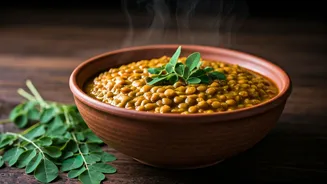
Before it became a global wellness trend, moringa was simply 'sahjan' or the drumstick tree, a familiar sight in backyards and local markets across India. For generations, its leaves, flowers, and pods have been a staple of regional cuisines. While the drumsticks
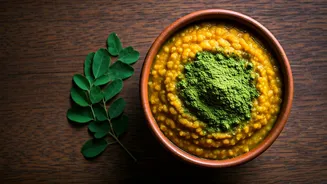
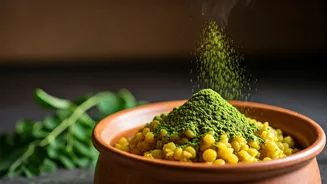
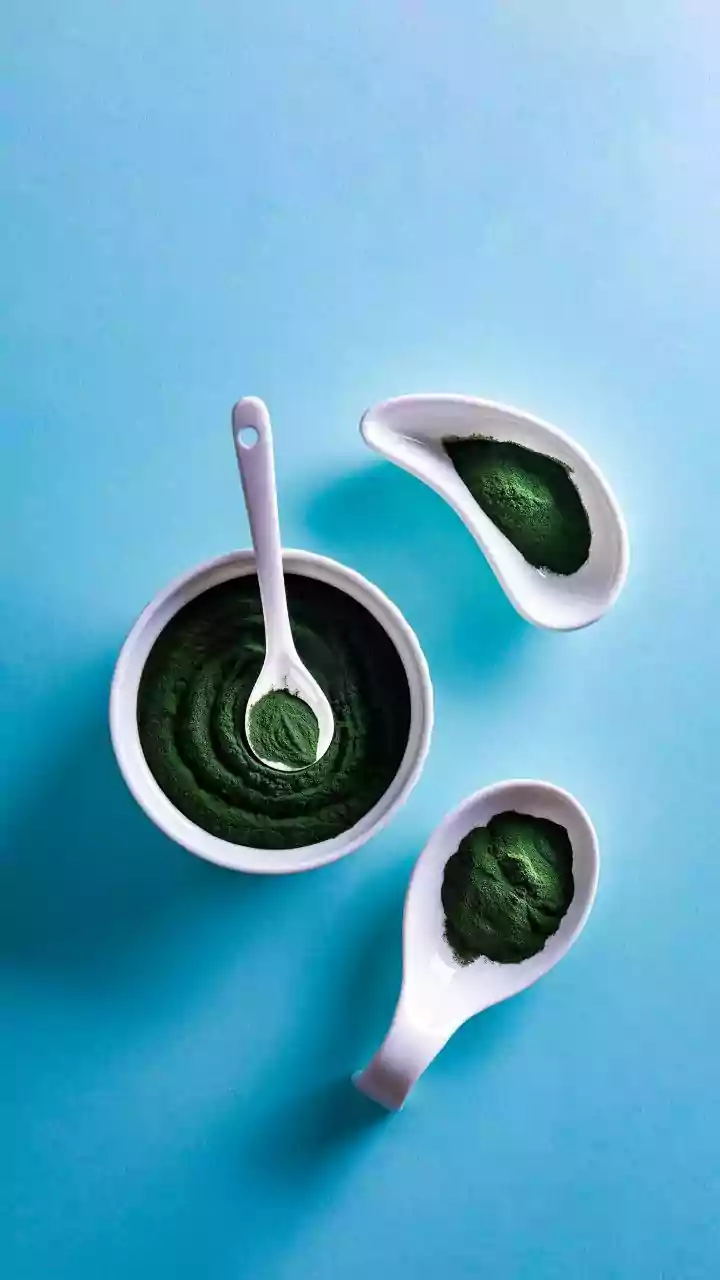
are a beloved addition to sambar and other curries, the leaves have often been overlooked in modern urban kitchens. Now, these potent green leaves, available as convenient dried flakes or powder, are making a well-deserved comeback. They represent the perfect bridge between traditional Indian wisdom and the modern pursuit of 'clean eating'—nutrient-dense, natural, and incredibly easy to use.
A Nutritional Powerhouse
The buzz around moringa isn't just hype; it's backed by an impressive nutritional profile. The leaves are a veritable treasure trove of essential vitamins and minerals. They are exceptionally rich in Vitamin C, which is crucial for immunity, and Vitamin A for eye health. They also provide a significant amount of calcium for bone strength, potassium for heart health, and iron to combat fatigue. Furthermore, moringa leaves are packed with protein and antioxidants, compounds that help protect your body’s cells from damage. While no single food is a miracle cure, incorporating a nutrient-dense ingredient like moringa is a simple and effective way to enhance the overall health benefits of your meals. Think of it as giving your body an internal shield with every bite.
The Taste Test: Will It Ruin My Dal?
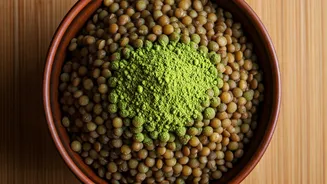
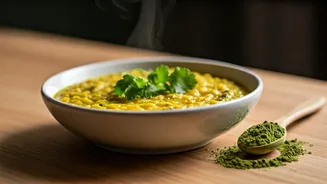
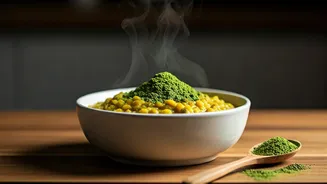
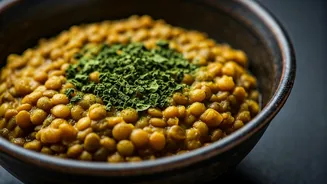
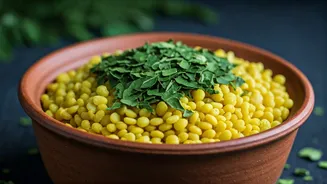
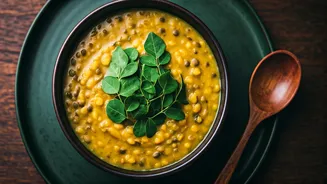
This is the most important question for any home cook. You want the health benefits, but not at the expense of your perfectly crafted, comforting bowl of dal. The good news is that moringa has a mild, earthy flavour, often compared to spinach or matcha. When used in dried form and in moderation, its taste is subtle enough to blend seamlessly into the complex, spiced flavours of a typical lentil curry. The flakes will rehydrate and integrate without overpowering the taste of the lentils, garlic, ginger, and tadka you love. It adds a deeper shade of green and a background note of earthiness that many find they actually enjoy. The key is to start small; you can always add more next time once you’re familiar with the flavour.
The Simple Method for Magic
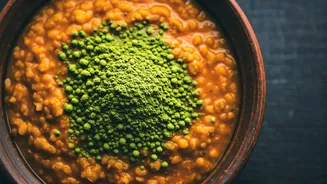
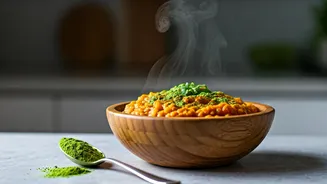
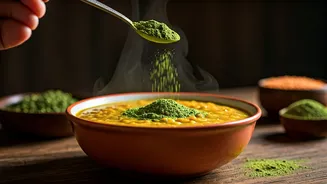
Incorporating moringa into your lentil curry is incredibly simple. There’s no complex technique or special equipment required. Here’s the easiest way to do it: 1. Cook your dal (be it toor, masoor, or moong) as you normally would. Let it simmer and come together with your preferred blend of spices like turmeric and salt. 2. Just before you turn off the heat and prepare the tadka, stir in the moringa. For a regular-sized pot of dal serving 3-4 people, start with one to two teaspoons of moringa leaf flakes or powder. 3. Let it simmer for just another minute or two. This is enough time for the flakes to soften and release their nutrients without overcooking them, which can diminish some of their benefits. 4. Finish with your sizzling tadka of ghee, cumin seeds, garlic, or mustard seeds. The heat and fat from the tempering will meld all the flavours together beautifully. That’s it. Your nutrient-boosted dal is ready to serve.
Beyond the Dal Bowl
Once you get comfortable with using moringa in your dal, you’ll find it’s a versatile addition to many other dishes in your kitchen. Its mild flavour makes it an easy ingredient to sneak into various foods for a nutritional kick. You can whisk a teaspoon of moringa powder into your morning smoothie, mix it into the dough for parathas or theplas, or sprinkle it into scrambled eggs or bhurji. Some even like to blend it into green chutneys or mix it with yoghurt to make a healthy dip. Its versatility is what truly makes it a modern kitchen staple, allowing you to fortify a wide range of everyday foods with minimal effort and maximum benefit.