







Red Alerts and Record Rainfall
The India Meteorological Department (IMD) has issued warnings for heavy to very heavy rainfall across the northeastern states, with specific alerts for Assam and Meghalaya. The current surge is driven by the active southwest monsoon, which has been supercharged
by a cyclonic circulation over Assam. This system is pulling immense moisture from the Bay of Bengal and dumping it onto the region. In the preceding days, this has led to staggering rainfall figures. Mawsynram, known as one of the wettest places on Earth, recorded 53 cm (530 mm) of rainfall in a single 24-hour period, with nearby Cherrapunji (Sohra) receiving 47 cm (470 mm). To put that in perspective, some of these locations received rainfall in one day that is comparable to what a city like London gets in an entire year. The IMD's forecast predicts that this spell of widespread rainfall, with isolated heavy downpours, will continue through the week.
On-the-Ground Impact: Floods and Landslides
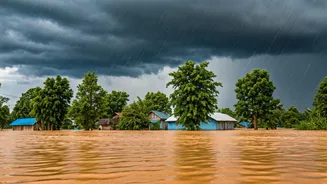
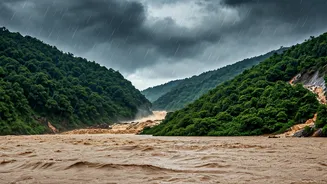
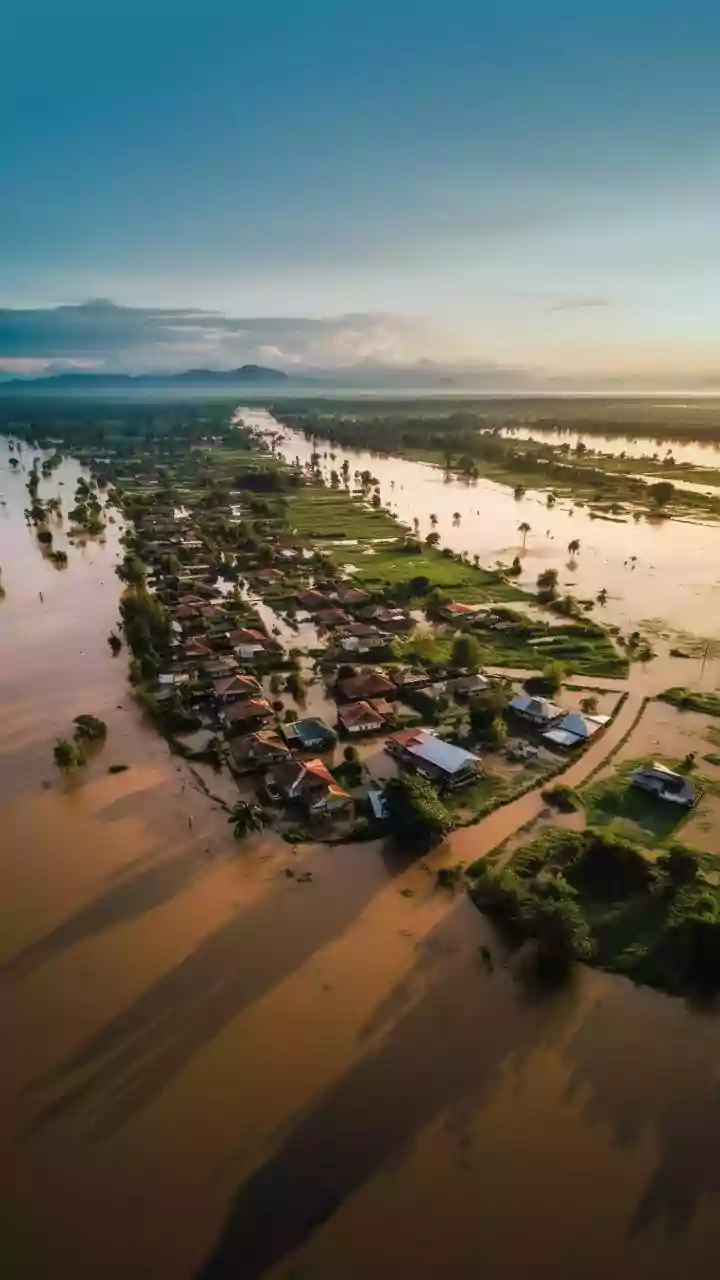
This intense rainfall is having severe real-world consequences. In Meghalaya, a major landslide has cut off the main road connecting the capital, Shillong, to Dawki, a popular tourist destination near the Bangladesh border. Authorities have advised commuters to use alternative routes, as restoration work is expected to take several days. In Assam, a high alert has been sounded, particularly after flash floods in the upper catchment areas of Arunachal Pradesh. The release of excess water from the Panyor Lower Hydroelectric Project has raised fears of downstream flooding in several Assam districts, including Dhemaji, Lakhimpur, Biswanath, and Sonitpur. According to the Assam State Disaster Management Authority, thousands of people in Dhemaji district have already been affected by early monsoon floods, prompting the setup of relief centres. Residents in low-lying and flood-prone areas have been urged to remain vigilant.
Anatomy of a Monsoon Surge
While heavy monsoon rain is an annual phenomenon in this region, the current intensity is due to a combination of powerful meteorological factors. The primary mechanism is orographic lift, where moisture-laden winds from the Bay of Bengal are forced to rise rapidly by the Khasi Hills. As this air ascends, it cools and condenses, releasing torrential rain. This year, an upper-air cyclonic circulation over central Assam has acted like a vacuum pump, drawing in moisture at an accelerated rate and funneling it directly towards the hills. This has turbocharged the entire process, leading to the exceptionally high rainfall totals recorded in places like Mawsynram and Cherrapunji. The result is not just rain but a deluge that saturates the soil, swells rivers, and dramatically increases the risk of flash floods and landslides.
Authorities on High Alert
State and central agencies are on high alert to manage the unfolding situation. The Assam government has directed district administrations in vulnerable areas to maintain close vigilance on river levels and embankments. Teams from the National Disaster Response Force (NDRF) and State Disaster Response Force (SDRF) have been placed on standby for rapid deployment if the situation worsens. Joint flood relief and disaster response exercises were conducted earlier in the month to ensure inter-agency coordination ahead of the monsoon season. Advisories have been issued, urging people to avoid venturing into inundated areas and to refrain from using small boats on rivers where currents are expected to be strong. Chief Minister Himanta Biswa Sarma has stated that the situation is being monitored at the highest level to ensure a timely response.
A Recurring and Worsening Crisis
For Assam and Meghalaya, the monsoon is both a lifeline and a recurring threat. The region's unique geography makes it naturally prone to heavy rainfall and its consequences. However, there is growing concern that climate change is altering rainfall patterns, leading to more frequent extreme weather events. Experts note that rainfall is increasingly arriving in short, intense bursts rather than being spread evenly across the season. This pattern can cause significant damage from floods and landslides, even in a year when the overall monsoon performance is considered 'normal'. This makes disaster preparedness and resilient infrastructure more critical than ever for the communities that face this annual deluge. As the current surge continues, the focus remains on immediate safety and mitigating the impact on lives and livelihoods.