



The Post-Monsoon Paradox
November marks the eagerly awaited reopening of many of India's premier national parks after the monsoon closure. The landscape is breathtaking, with full waterholes and forests thick with renewed life. While this verdant scenery is a photographer’s dream,
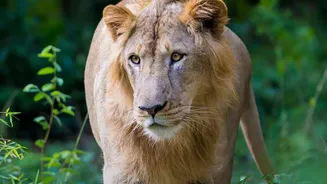
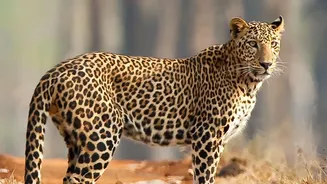
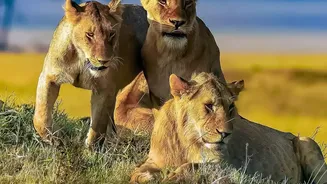
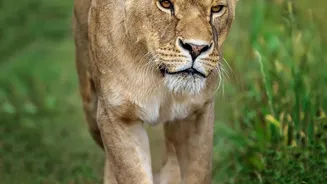
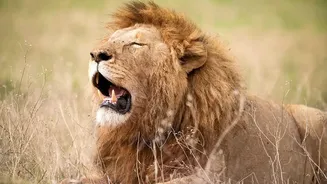
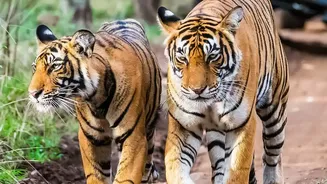
it creates a 'green wall' that can easily conceal even a full-grown tiger. Animals are less dependent on major waterholes and can disappear into the dense undergrowth in seconds. This is where a safari with a novice can become a simple, fruitless drive through a pretty forest. For those hoping to see endangered species like the Bengal tiger, Asiatic lion, or elusive leopard, the lushness of November requires a key that can unlock the jungle’s secrets.
More Than Just a Driver
In India's national parks, you are assigned a park-certified guide for your safari, in addition to your vehicle's driver. While some may see this as a formality, the difference between a standard guide and a truly experienced naturalist is immense. The best guides are often local villagers who have grown up on the periphery of these forests, possessing generations of knowledge. Their expertise isn't just learned from a book; it's a deep, intuitive understanding of the ecosystem. They undergo training in animal behaviour, park regulations, and conservation principles. A great guide doesn’t just drive you from point A to point B; they interpret the language of the forest for you.
The Art of Reading the Jungle
Tracking endangered animals, especially predators, is a subtle art. An experienced guide knows exactly what to look and listen for. They can spot fresh pugmarks in the damp earth and determine the animal's size, gender, and how recently it passed through. They are masters at interpreting 'alarm calls'—the sharp, panicked sounds made by deer, monkeys, or birds that signal a predator is nearby. A sudden silence, a specific bird's cry, or the flick of a deer's tail can tell them everything they need to know about what's hiding just out of sight. They understand animal territories and can predict where a specific tigress with cubs might be resting or where a male leopard is likely to patrol. This skill transforms a game of chance into a calculated, patient search, dramatically increasing the odds of a memorable sighting.
Beyond the Big Cats
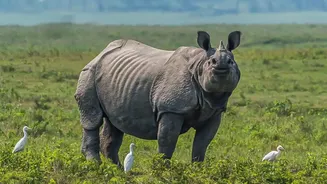
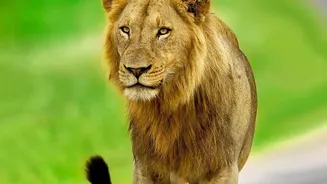
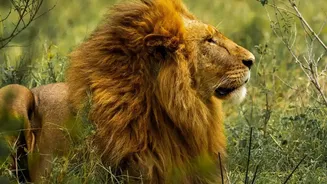
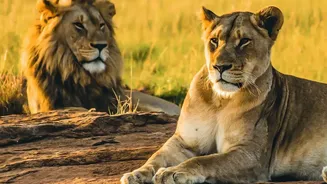
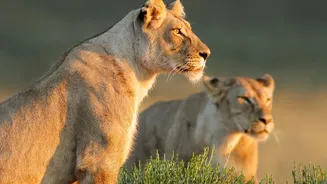
While the Royal Bengal Tiger is often the star attraction, India’s parks are home to a vast array of life. An expert guide's value shines in their ability to make the entire safari experience rich and engaging, whether a tiger shows up or not. They can point out a rare species of owl perfectly camouflaged on a branch, identify the tracks of a sloth bear, or explain the ecological role of a herd of gaur (Indian bison). They bring the whole forest to life, introducing you to endangered species like the one-horned rhinoceros in Kaziranga or the Asiatic lion in Gir. They’ll spot colourful kingfishers, massive crocodiles, and perhaps even the shy Dhole, or Indian wild dog. This comprehensive knowledge ensures that every moment in the jungle is one of discovery.
Guardians of the Wild
Critically, an experienced guide is also a steward of ethical tourism. They are on the front lines of conservation, ensuring that park rules are followed. This means maintaining a respectful distance from animals, cutting the engine to avoid stress, and never participating in or encouraging the dangerous practice of chasing wildlife for a better photo. Their presence helps protect the very animals visitors come to see. By choosing operators who employ skilled local guides, tourists directly contribute to the local economy and give communities a financial stake in conservation. This fosters a reality where a living tiger is worth far more than a poached one, securing the future of these magnificent species.