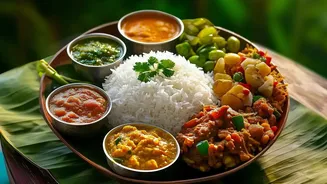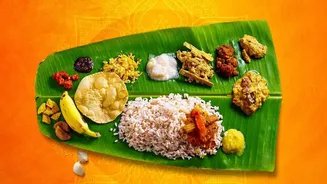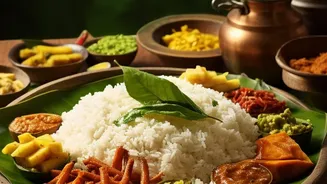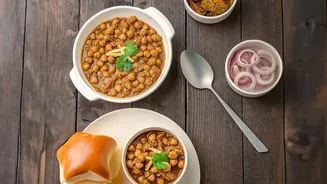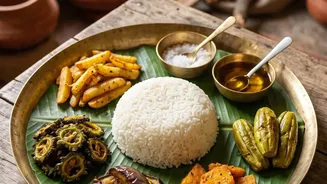



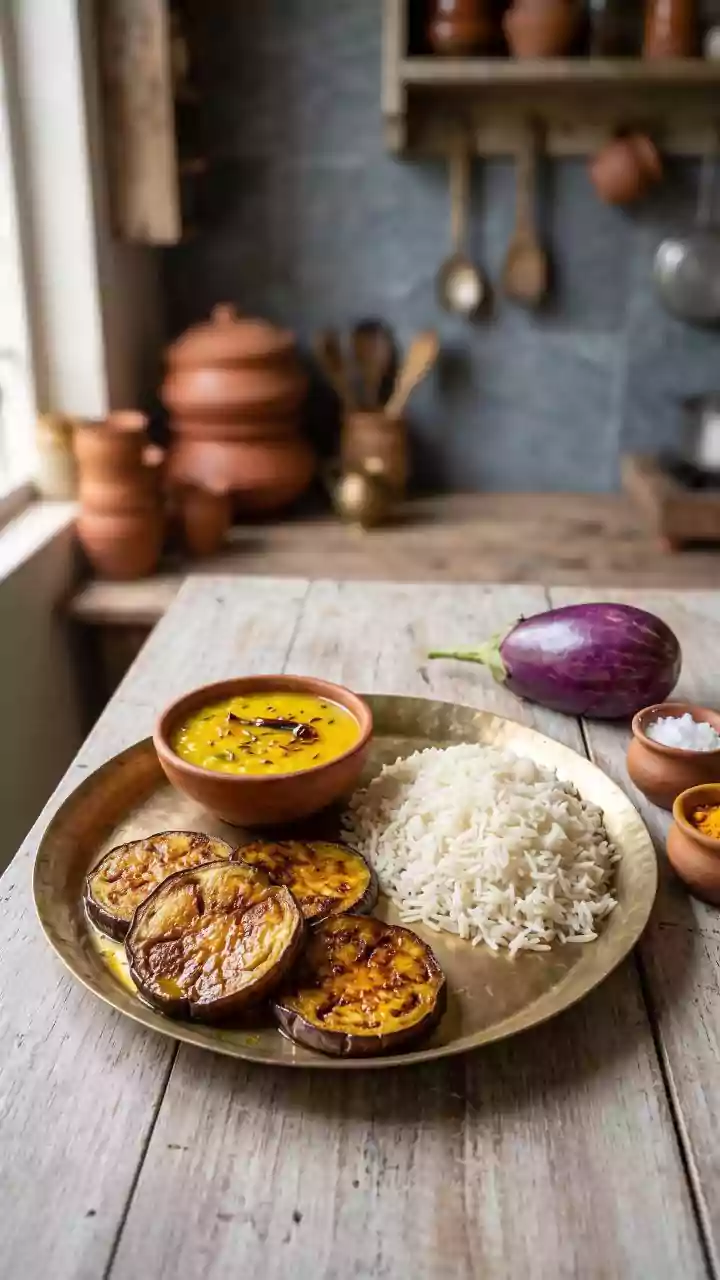

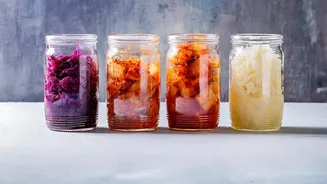

The sharp, tangy aroma of a pickle jar opening or the gentle fizz of kanji is a core memory for many. Now, these age-old preservation techniques are moving from grandmother's pantry back to the forefront of urban Indian meals.
A Renaissance of the Radically Traditional
Across India's bustling cities,
a quiet revolution is taking place in the kitchen. Fermentation and pickling, practices that are thousands of years old and woven into the fabric of Indian cuisine, are experiencing a powerful resurgence. What was once a routine method of preservation before refrigeration is now being embraced by a new generation for its profound health benefits and complex flavours. This isn't just about reviving old recipes; it's a conscious return to food that is alive, nutrient-dense, and deeply connected to cultural identity. From Delhi to Bengaluru, urbanites are rediscovering the magic in a jar of sun-brewed kanji or a pot of fermenting dosa batter, transforming everyday meals into a celebration of heritage.
The Gut Health Connection
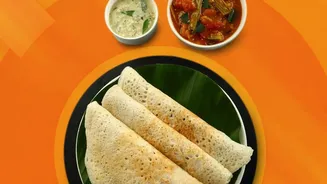
A major driver of this trend is the growing global conversation around gut health. Urban Indians are increasingly aware of the microbiome—the community of beneficial bacteria in our digestive systems—and its impact on everything from immunity to mental well-being. Fermented foods are natural, potent sources of probiotics. While the world embraces kombucha and kimchi, many are realizing India has its own vast library of probiotic powerhouses. Traditional staples like dahi, idli, dhokla, and the fermented rice dishes of Eastern India like pakhala bhaat are being celebrated for their gut-friendly properties. These foods do more than just add good bacteria; the fermentation process also breaks down complex compounds, making nutrients more available for the body to absorb.
Beyond the Mango Pickle
While 'achaar' is the most famous example of Indian pickling, the current revival explores a much wider spectrum. Home cooks and chefs are experimenting with lacto-fermentation, a technique that uses a simple saltwater brine to preserve vegetables while creating beneficial lactic acid. This method results in crunchy, tangy pickles that are alive with probiotics. The canvas is vast, featuring everything from carrots and beetroots for kanji to lotus stems, wild greens, and even fruit peels in a nod to zero-waste cooking. Regional specialties are also gaining new appreciation, such as 'gundruk' (fermented leafy greens from Sikkim) and 'axone' (fermented soybeans from Nagaland), introducing a wider audience to the diverse flavours of the subcontinent.
The New Gurus of Gut Gastronomy
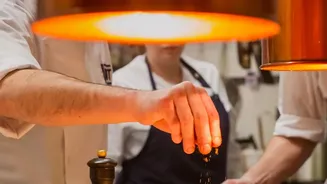
This movement is being championed by a new wave of food entrepreneurs, chefs, and educators. Across metro cities, workshops on fermentation and pickling are drawing crowds of curious millennials and Gen Z eager to learn these ancient skills. Small-batch artisanal brands are now selling everything from naturally fermented kanji to innovative hot sauces online. In the fine dining world, chefs are making fermentation a cornerstone of their philosophy. For instance, chefs like Vanika Choudhary of Noon in Mumbai are creating extensive 'ferment libraries' with over 150 indigenous ferments, using them to craft modern dishes that tell a story of India's biodiversity and culinary heritage. These innovators are not just copying the past; they are blending traditional methods with global techniques, like using koji, to create entirely new flavour profiles.