






If the Deal Looks Too Good to Be True
An unbelievably low price for a luxury resort is one of the biggest red flags. Scammers often lure travellers with prices significantly below market rate for similar properties in the area. These listings create a false sense of urgency, pressuring you
to book immediately before the 'deal' disappears. Always compare prices with reputable booking websites to get a realistic sense of accommodation costs for your destination. Be wary of any offer that seems too good to be true—it almost certainly is.
Scrutinise Photos and Reviews
Fraudulent listings often use generic stock photos, stolen images from other properties, or pictures that are blurry and hide more than they show. A legitimate property will have plenty of high-quality photos of the rooms, bathrooms, and common areas. Use a reverse image search to see if the photos appear elsewhere online under a different listing. Also, be critical of reviews. A flood of five-star reviews that sound similar could be fake, while a complete lack of reviews is also a warning sign. Look for balanced, detailed feedback from verified guests across multiple platforms to get an honest picture.
Verify the Contact and Location Details
A legitimate business will have clear and verifiable contact information. Check the resort's official website for a physical address and a working landline phone number—not just a mobile number or an email address. Call them to ask a few questions and gauge their customer service. Use online maps to confirm the property's address and see its actual location. If a listing is vague about its exact location, for example, calling itself a 'beach hotel' without providing a street address, be extremely cautious.
Insist on Secure Payment Methods
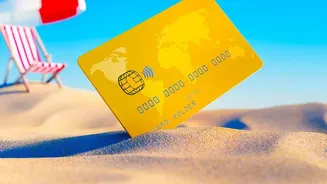
How you are asked to pay is a major indicator of a listing's legitimacy. Scammers will often demand payment via methods that are difficult to trace and impossible to reverse, such as direct bank transfers, wire services, or cryptocurrency. Never pay outside of a reputable booking platform's secure payment system. Using a credit card offers the most protection, as you can often dispute fraudulent charges with your card provider. Be wary of any seller who pressures you to move the conversation and payment off-platform.
Check for a Professional Website and Communication
Before booking, especially with an independent resort, visit their official website. A poorly designed site with low-resolution images, broken links, or spelling errors is a red flag. It suggests a lack of professionalism that likely extends to their operations. Also, watch out for phishing scams, which often come as urgent emails or messages that look like they're from a major booking site but link to a fake portal designed to steal your card details. Always check the URL to ensure it's correct and look for the padlock symbol indicating a secure connection.