




The Building Blocks of Your Skin
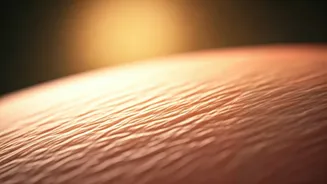
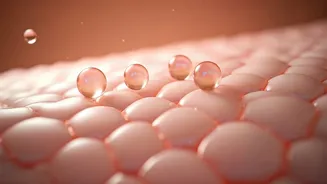
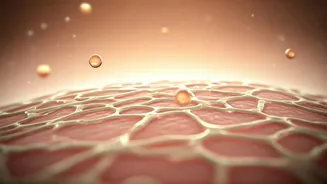
Before you can appreciate what ceramides do, you need to know what they are. In simple terms, ceramides are lipids (fat molecules) that are found naturally in the outermost layer of your skin, the stratum corneum. Think of your skin barrier as a brick
wall. The skin cells are the 'bricks', and ceramides are a crucial part of the 'mortar' that holds everything together. This mortar, made of ceramides, cholesterol, and fatty acids, creates a protective layer that keeps moisture in and harmful environmental elements out. Without enough ceramides, this wall becomes weak and leaky, leading to a host of skin issues. So, while other ingredients get more attention, ceramides are the quiet, hardworking foundation of healthy skin.
Why Your Skin Needs a Strong Barrier
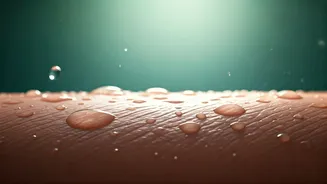
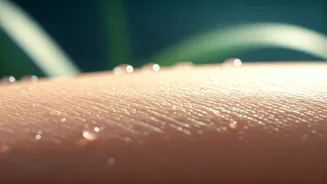
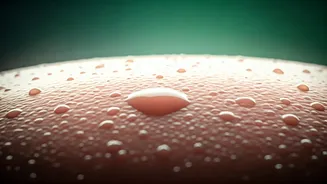
A healthy skin barrier is your first line of defence against the world. When your ceramide levels are optimal, your skin is better equipped to protect itself from irritants like pollution, dust, and UV radiation—all common stressors in Indian cities. A strong barrier also excels at preventing transepidermal water loss (TEWL), which is a fancy term for moisture evaporating from your skin. By locking in hydration, ceramides help your skin stay plump, smooth, and resilient. This makes them essential for everyone, regardless of skin type. Whether you have dry skin that feels tight, oily skin that’s secretly dehydrated, or sensitive skin prone to redness, reinforcing your skin barrier with ceramides can bring it back into balance.
What Happens When Ceramides Decline?
Unfortunately, our natural supply of ceramides doesn't last forever. Our bodies start producing fewer ceramides as early as our 20s, and by our 40s, we may have lost up to 60% of them. This natural decline is accelerated by factors like sun exposure, over-exfoliating with harsh scrubs or acids, using stripping cleansers, and even changes in weather. When your ceramide levels dip, the 'mortar' in your skin barrier weakens. The result? You might notice increased dryness, flakiness, and a feeling of tightness. Your skin may become more sensitive and reactive, flaring up in response to products or environmental changes. Fine lines and wrinkles can also appear more prominent on dehydrated skin. This is why topically applying ceramides has become such a popular strategy—it's about replenishing what your skin is naturally losing.
How to Find Ceramides in Your Products
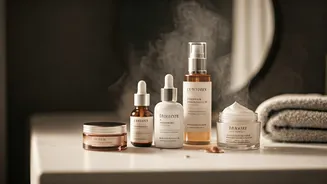
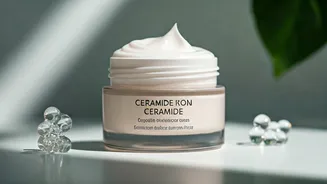
Now for the practical part: how to get more ceramides into your routine. Thankfully, they are found in a wide range of products, from gentle cleansers and serums to rich moisturisers and body lotions. When you check the ingredients list, look for terms like 'Ceramide NP', 'Ceramide AP', 'Ceramide EOP', or 'phytoceramides' (plant-derived ceramides). Don’t be discouraged if they are not at the very top of the list; they are effective even at lower concentrations. Moisturisers are the most common and effective way to deliver ceramides, as they sit on the skin and provide lasting barrier support. For a more potent dose, a ceramide-rich serum applied before your moisturiser can work wonders, especially for very dry or compromised skin.
Unlocking the Power of Ingredient Pairings
Ceramides are team players. They work exceptionally well with other skin-replenishing ingredients to boost their effectiveness. For maximum hydration, pair ceramides with humectants like hyaluronic acid and glycerin. These ingredients draw moisture into the skin, while ceramides lock it in. This combination is a godsend for dehydrated skin. Ceramides also help buffer the potentially irritating effects of powerful active ingredients. If you use retinoids or exfoliating acids (like AHAs and BHAs), following up with a ceramide moisturiser can help soothe the skin, reduce redness, and prevent the barrier from becoming compromised. Similarly, niacinamide, another barrier-supporting star, works beautifully with ceramides to improve skin texture and tone. Think of ceramides as the supportive friend that makes everyone around them better.