




A Tale of Two Fates
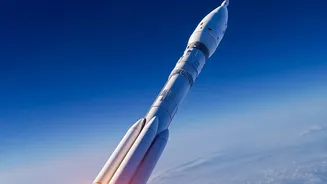
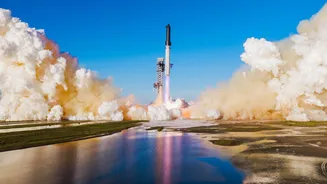
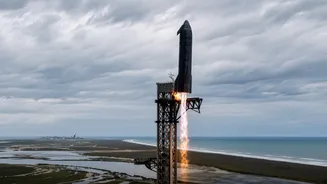
On November 13, the world's most powerful rocket, Starship, roared to life from its Texas launchpad on what was designated Flight 15. The colossal two-stage vehicle ascended flawlessly, and the Super Heavy booster separated from the Starship upper stage as planned.
From there, the two components embarked on drastically different journeys. The Starship spacecraft continued to orbit, while the booster began its descent back to Earth. The plan was to catch both, but only one would make it home. The booster, which was attempting to return to the launch tower, detected a guidance issue and automatically aborted the landing attempt. It diverted to a safe zone over the Gulf of Mexico, where it was intentionally destroyed before hitting the water.
The Historic Catch
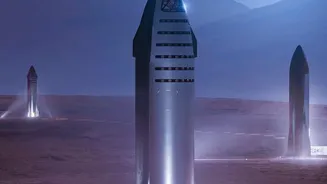
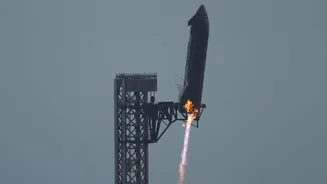
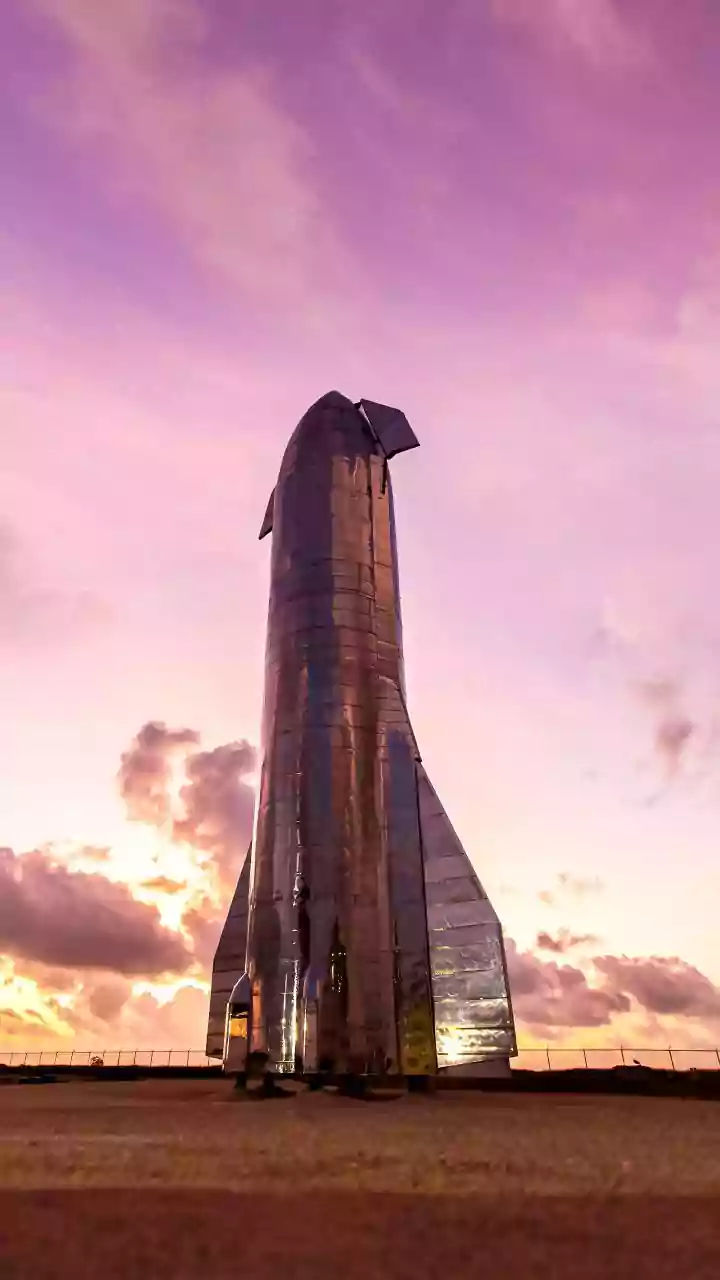
While the booster's loss was a setback, the main event was yet to come. The Starship spacecraft, Ship 42, successfully entered orbit, deployed a payload of 26 Starlink satellites, and spent the next 22 hours circling the Earth 14 times. Then came the part that had never been successfully done before: returning an orbital-class upper stage for a pinpoint landing and recovery. After hurtling back through the atmosphere at extreme speeds, the ship used its flaps to guide itself toward the launch site. In the final moments, it fired its engines, flipped upright, and slowed its descent, slotting perfectly into the giant mechanical 'chopstick' arms of the launch tower. It was the first time in history an orbital upper stage had been caught for reuse.
Why Losing the Booster Isn't a Total Failure
It’s easy to see an exploding booster and call the mission a partial failure, but that misunderstands SpaceX's core philosophy. The company's 'fail fast, learn faster' approach treats each test, even those with anomalies, as a rich data-gathering opportunity. The booster's failure was reportedly due to being 'slightly low on fuel', which triggered an automated abort to ensure safety. While the goal is always 100% success, the data gathered from this automated abort and failed landing attempt is invaluable for engineers. It provides crucial information to ensure the next attempt is more robust. SpaceX had already successfully caught three Super Heavy boosters on previous flights, proving the concept is viable. This setback is seen more as a data point on the path to routine recovery, not a fundamental flaw in the design.
The Holy Grail of Rocketry
The true prize of Flight 15 was the recovery of the Starship itself. While booster reuse is now common, recovering the upper stage has long been considered the 'holy grail' of rocketry. The upper stage travels much faster and higher to get into orbit, making its reentry and landing far more challenging. Successfully catching the ship is the key to unlocking a fully and rapidly reusable launch system. This is the innovation that could slash the cost of accessing space, enabling missions that are currently too expensive to contemplate. By avoiding a destructive ocean splashdown, the recovered vehicle can, in theory, be inspected, refuelled, and launched again, much like an airplane. This single achievement dramatically changes the economic calculations for future space endeavours.
What This Means for the Future
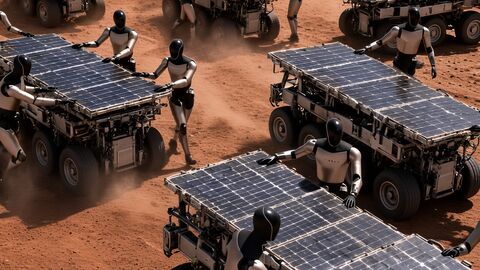
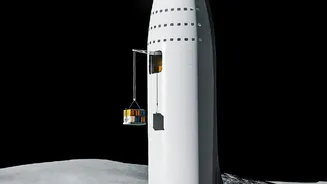
This successful ship recovery isn't just a technical victory; it's a critical step in a much larger business plan. Starship is the vehicle SpaceX is counting on to build out its Starlink internet constellation, with this flight alone adding significant capacity. More importantly, it's the rocket NASA has selected to land its Artemis astronauts on the Moon. This successful demonstration of a controlled landing will give partners like NASA enormous confidence. For SpaceX founder Elon Musk, the long-term vision extends even further. Achieving full and rapid reusability is the only way his ultimate goal of launching fleets of Starships to build a self-sustaining city on Mars becomes technologically and economically feasible. The success of Flight 15, even with its booster setback, just made that distant dream feel a little bit closer.