

Kuttu ka Atta (Buckwheat Flour)
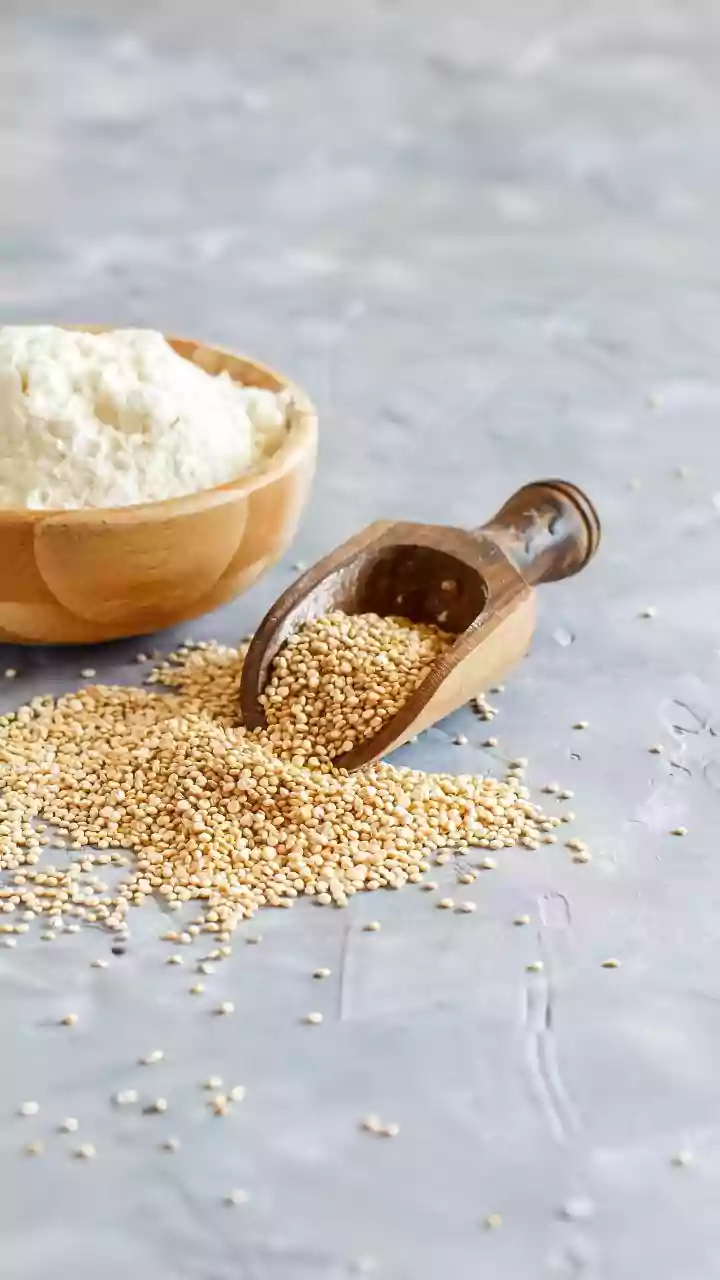
Despite its name, buckwheat has no relation to wheat. It's a pseudo-cereal, a seed ground into flour, making it a gluten-free powerhouse perfect for fasting. Traditionally considered a 'sattvik' or pure food, it's believed to help purify the body and
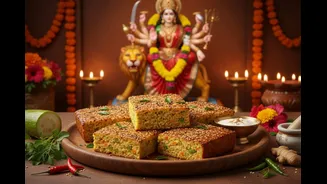
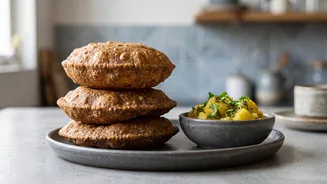
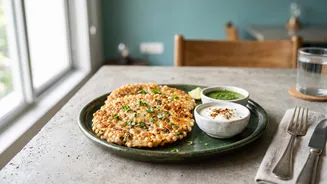
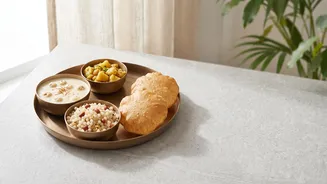
mind during spiritual practices. Rich in high-quality protein, fiber, magnesium, and B vitamins, kuttu provides sustained energy, preventing the fatigue that can accompany fasting. Its high fiber content also aids digestion, which can slow down during a fast. This nutty, earthy flour is incredibly versatile, commonly used to make puris, parathas, and savory pancakes called cheelas, often paired with yogurt to balance its warming properties.
Samak ke Chawal (Barnyard Millet)
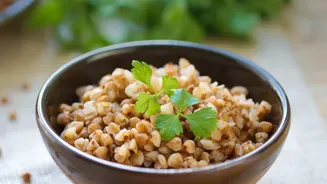
Often called 'vrat ke chawal' (fasting rice), samak is not a type of rice but a tiny, cream-coloured millet. It serves as the perfect substitute for rice, which is avoided during Navratri. This hardy millet is naturally gluten-free, light, and easy to digest. While it's primarily a source of carbohydrates for energy, it contains more fiber than white rice, helping you feel full longer. It also provides modest amounts of iron and magnesium. Samak cooks quickly and is used to prepare dishes like pulao with vegetables, comforting khichdi, and even idlis and dosas for a creative twist on fasting meals.
Shakarkandi (Sweet Potato)
Sweet potatoes are a treasured ingredient during Navratri for good reason. This root vegetable is packed with complex carbohydrates, which provide a slow and steady release of energy, keeping you energised throughout the day. They are an excellent source of dietary fiber, aiding digestive health, and are loaded with essential nutrients like vitamins A and C, and potassium. Their natural sweetness makes them a satisfying food, whether roasted, boiled, or grilled. A popular way to enjoy them is as 'shakarkandi chaat', where boiled or roasted sweet potato cubes are tossed with rock salt, lemon juice, and spices for a delicious and filling snack.
Sabudana (Tapioca Pearls)
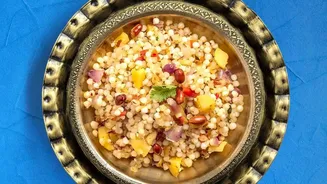
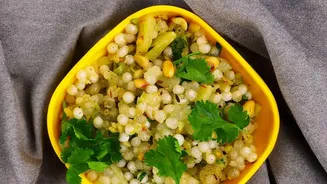
No Navratri fast is complete without sabudana. These chewy, translucent pearls are extracted from the starch of cassava root. As a rich source of carbohydrates, sabudana provides a quick boost of energy, which is vital during fasting. It's naturally gluten-free and very easy to digest, making it gentle on the stomach. While it's not a powerhouse of protein or fiber on its own, it becomes a balanced meal when prepared as khichdi with peanuts, potatoes, and fresh coriander. Sabudana is also used to make crispy vadas and creamy kheer, showcasing its remarkable versatility in both savory and sweet dishes.
Sendha Namak (Rock Salt)
During Navratri, regular table salt is replaced with sendha namak, or rock salt. This is because rock salt is the purest form of salt; it is unprocessed and contains no chemicals or additives. From a wellness perspective, sendha namak is considered superior because it has a cooling effect on the body, unlike table salt which is considered heating. It is lower in sodium and higher in potassium, which helps maintain the body's electrolyte balance and prevents fatigue during fasts. Ayurveda values it for aiding digestion, boosting metabolism, and balancing the body’s pH levels.
Other Fasting Essentials
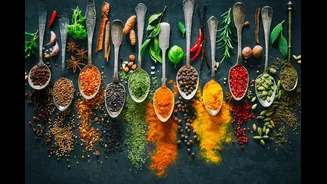
Beyond the headliners, the Navratri pantry includes other important ingredients. Singhara atta (water chestnut flour) is another popular gluten-free flour, known for its cooling properties. Rajgira (amaranth) flour and seeds are also permitted and are packed with protein. For snacking, makhana (fox nuts) are a light, crunchy, and nutritious option, rich in protein and calcium. A variety of fruits, nuts, milk, and yogurt are also central to the fasting diet, ensuring that meals remain balanced, varied, and enjoyable throughout the nine days.