





The Brain-Boosting Findings
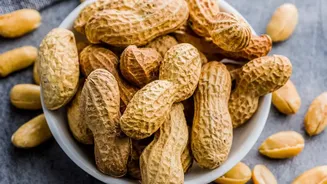
Recent research has uncovered a positive link between regular peanut consumption and cognitive function in older adults. A study from Maastricht University in the Netherlands found that daily intake could improve brain health. Over a 16-week period, healthy
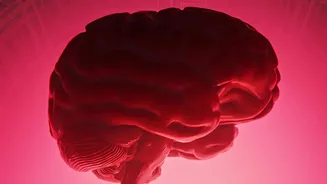
adults between 60 and 75 who ate about 60 grams of peanuts daily showed increased blood flow to parts of the brain associated with memory. Specifically, participants showed a nearly 6% improvement in verbal memory and a 3.6% increase in overall cerebral blood flow. These findings suggest that peanuts may help enhance brain vascular function, which is essential for delivering the oxygen and nutrients our brains need to stay sharp.
Why Peanuts Pack a Punch
The cognitive benefits of peanuts are not magic; they are rooted in their rich nutritional profile. Peanuts are packed with brain-friendly compounds. They are a great source of unsaturated fats, protein, and fibre. More importantly, they contain bioactive compounds like resveratrol and other polyphenols, many of which are concentrated in the peanut's thin, papery skin. Resveratrol is believed to improve blood flow in the brain. Peanuts are also rich in L-arginine, an amino acid that the body uses to produce nitric oxide, a molecule that helps relax blood vessels and improve circulation. This combination of nutrients works together to support vascular health, which is directly linked to cognitive performance.
The Crucial Role of Portion Control
While the study participants consumed about 60 grams daily, it's important to approach this with caution. Many nutritionists recommend a more moderate daily intake of about 28 to 30 grams, which is equivalent to a small handful. Peanuts are high in calories, with a 100-gram serving containing over 560 calories. Overconsumption can easily lead to weight gain and may cause digestive discomfort. To reap the benefits without the drawbacks, stick to a single serving of unsalted, dry-roasted peanuts per day. This provides a healthy dose of nutrients without excessive calories or sodium, which is often added to processed peanut products.
A Serious Warning on Allergies
The potential benefits of peanuts are strictly for those who are not allergic. Peanut allergy is one of the most common and dangerous food allergies. For an allergic individual, exposure to even a trace amount of peanut protein can trigger a severe, life-threatening reaction known as anaphylaxis. Symptoms can appear within minutes and include skin reactions like hives, digestive problems, swelling of the throat, and severe difficulty breathing. Anaphylaxis is a medical emergency that requires immediate treatment with an epinephrine auto-injector and a visit to the emergency room. If you have ever experienced any allergic reaction to peanuts, no matter how mild, you must avoid them completely.
A Balanced and Safe Approach
For non-allergic older adults, incorporating a sensible amount of peanuts into a balanced diet could be a simple way to support brain health. A small, daily handful of unsalted peanuts makes for a nutritious snack. You can also add them to salads or breakfast bowls to boost your intake of protein, healthy fats, and those beneficial polyphenols. However, it's vital to remember that no single food can act as a magic bullet for preventing cognitive decline. Peanuts should complement an overall healthy lifestyle that includes a varied diet, regular physical activity, and social engagement. The study's findings are encouraging, but they represent one piece of a much larger puzzle when it comes to healthy ageing.