






Why Is Iodine So Important?
Think of iodine as the essential fuel for your thyroid gland. Your body can't make iodine, so you must get it from your diet. The thyroid uses it to produce hormones that regulate your metabolism, body temperature, heart rate, and overall growth and development.
These hormones are critical from the very beginning of life, supporting brain development in babies and children. A lack of iodine can lead to an underactive thyroid (hypothyroidism), which can cause fatigue, weight gain, and feeling sluggish. India's soil is known to be low in iodine, making dietary choices even more important.
How Much Iodine Do I Need Daily?
For most adults in India, the recommended daily intake is about 150 micrograms (mcg). However, this need increases significantly for pregnant and breastfeeding women, who require about 250 mcg per day to support both their own health and the healthy brain development of their baby. It's important to remember that this is a nutrient where balance is key. Your body can't store it for long periods, so a regular, steady intake is what matters most.
What Are the Best Food Sources?
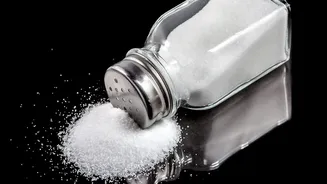
In India, the single most important source of iodine is iodized salt. The National Iodine Deficiency Disorders Control Programme, launched in 1962, has been a major public health success, making iodized salt widely available to prevent deficiency. Beyond salt, good sources include dairy products like milk and curd, eggs, and seafood such as fish and prawns. A glass of milk can provide a significant portion of your daily need. Some vegetables and grains contain small amounts, but their levels depend on the soil they were grown in.
What About Rock Salt and Sea Salt?
Many people are switching to rock salt (sendha namak) or other gourmet salts, believing them to be healthier. While unrefined salts contain trace amounts of other minerals, they are not a reliable source of iodine. Natural sea salt, for instance, contains very little iodine compared to fortified iodized salt. Relying solely on these salts without ensuring other iodine sources in your diet could put you at risk of deficiency. Iodized salt was introduced specifically to combat widespread deficiency, and it remains the most effective way for most people to meet their daily needs.
How Can I Tell If I'm Deficient?
Mild iodine deficiency might not have obvious symptoms. However, more significant shortfalls can lead to a range of issues. The most well-known sign is a goitre, which is a visible swelling of the thyroid gland at the front of the neck. Other common symptoms of an underperforming thyroid due to low iodine include unexplained weight gain, constant fatigue, feeling unusually cold, dry and scaly skin, thinning hair, and even difficulties with memory and learning. In infants, signs can include a puffy face and frequent choking.
Is It Possible to Have Too Much Iodine?
Yes, more is not better when it comes to iodine. Just as a deficiency can cause thyroid problems, so can an excess. Acute iodine poisoning is rare and usually happens from taking very high doses of supplements, causing symptoms like a burning mouth, fever, and nausea. Chronically high intake, for example from consuming large amounts of certain seaweeds or high-dose supplements without medical guidance, can also disrupt thyroid function, leading to either hyperthyroidism (overactive thyroid) or hypothyroidism (underactive thyroid).