



The Trouble with Tufted Rugs
A thick, tufted rug feels wonderful underfoot, but its very nature makes it a challenge in many Indian homes, especially rentals. The dense pile that creates its signature softness is also brilliant at trapping dust, allergens, and pet hair, requiring
frequent and powerful vacuuming. More problematic, especially in coastal cities or during monsoon season, is their tendency to absorb and hold moisture. Many tufted rugs have a latex adhesive backing that holds the yarn in place. When exposed to sustained humidity, this backing can degrade, causing the rug to smell, buckle, or even fall apart over time, significantly shortening its lifespan to as little as 5-10 years. This makes them a risky and often short-lived investment for someone who might be moving in a few years.
Enter the Minimalist Floor Runner
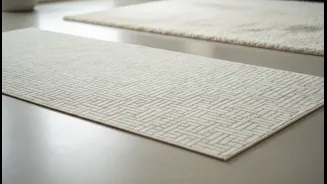
In response to these challenges, a more practical solution has gained popularity: the minimalist floor runner. These are typically flat-woven rugs, like the traditional Indian dhurrie, made from materials such as cotton, jute, or even durable synthetics. Unlike their tufted counterparts, flatweaves have no pile; the threads are tightly interlaced on a loom, creating a flat, thin, and lightweight surface. This construction is the key to their practicality. The term 'runner' refers to their long, narrow shape, perfect for high-traffic areas like hallways, entryways, and kitchens, but their minimalist appeal and practicality are seeing them used in all areas of the modern rental home.
The Anti-Mould and Low-Maintenance Advantage
The primary driver of this shift is hygiene and ease of care. Because flatweave runners have no pile, dust and debris sit on the surface instead of getting embedded deep within the fibres. This makes them incredibly easy to clean; a simple shake-out or light vacuuming is often all that's needed. Crucially, they are far more resistant to the dampness that plagues many Indian homes. Natural fibre dhurries made of cotton or wool are breathable, and because they are thin, they dry quickly if they get damp, drastically reducing the risk of mould and musty odours. This is a significant advantage in humid climates, where moisture can get trapped under heavy rugs and damage both the rug and the floor beneath. Many cotton dhurries are even machine washable, a level of convenience unimaginable with a tufted rug.
Designed for a Renter’s Reality
Minimalist runners are perfectly suited to the transient nature of renting. Their lightweight and often foldable design makes them easy to move from one home to the next without professional help. They are also incredibly versatile, working well in narrow hallways, beside a bed, or in a compact living area. Because they lie flat, they don't obstruct doors and chairs can slide over them easily, making them ideal for dining spaces or home offices. This practicality aligns with current Indian decor trends that favour multifunctional, adaptable, and clutter-free living spaces. Furthermore, they are generally more affordable than large, tufted rugs, making them a lower-risk purchase for those not in their 'forever home'.
A Style That Fits
This trend isn't just about practicality; it’s also about aesthetics. The clean lines and often geometric patterns of minimalist runners and dhurries align perfectly with the move toward mindful, uncluttered interiors. As Indian homes embrace modern, minimalist, and Scandinavian-inspired design, these simple, textured runners provide warmth and character without overwhelming a space. They offer a way to introduce colour and pattern that feels intentional and curated, rather than bulky. Made from natural materials like jute and cotton, they also tap into the growing trend of biophilic design, which focuses on bringing natural textures and elements indoors to create a calming environment.