





The New Travel Jitters
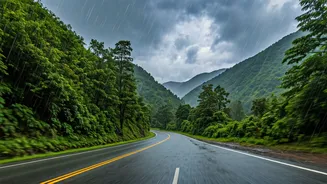
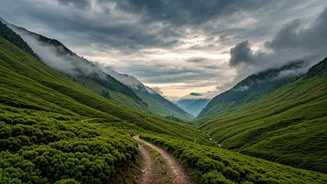
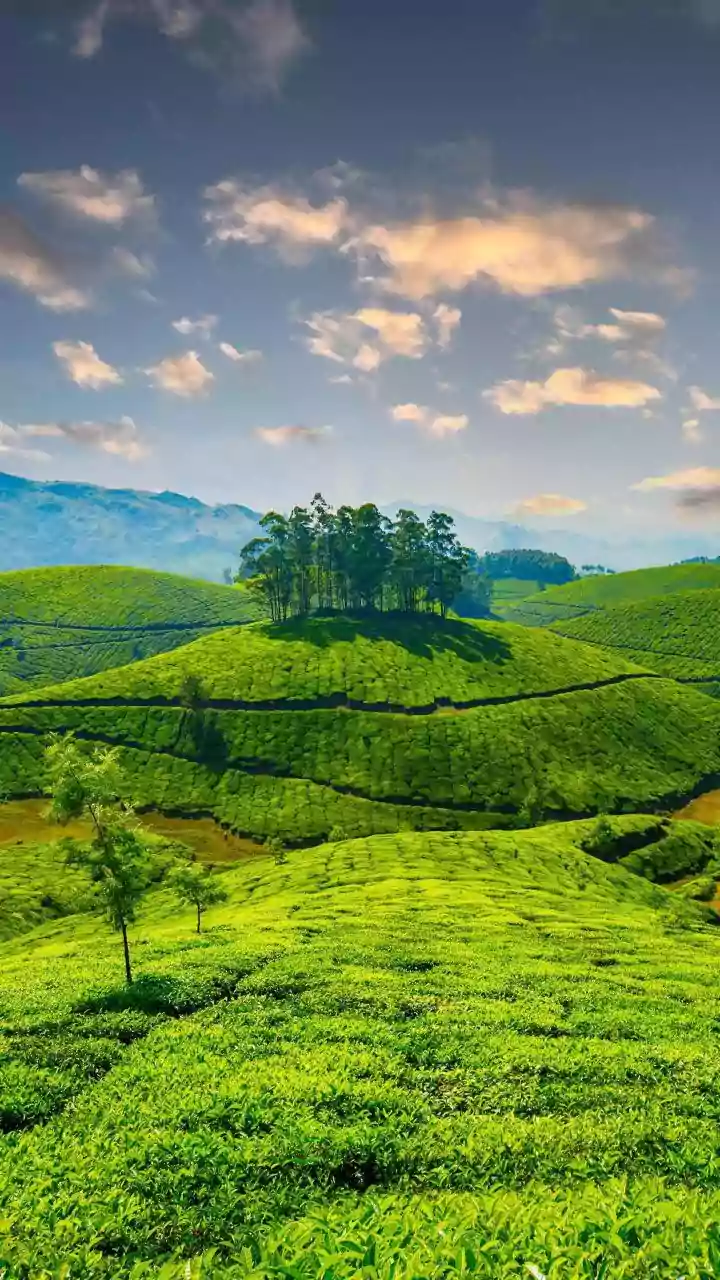
For generations, the monsoon season in India was a celebrated time for travel. City dwellers flocked to hill stations like Shimla, Manali, and Munnar to escape the heat and embrace the rain-washed landscapes. Today, that romance is increasingly overshadowed
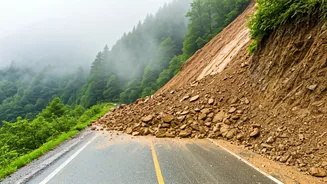
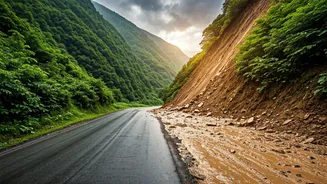
by fear. The devastating flash floods and landslides in Himachal Pradesh and Uttarakhand in recent years, which left thousands of tourists stranded, have served as a stark reminder of nature's unpredictability. An orange or red alert from the India Meteorological Department (IMD) is no longer just a weather update; it’s a potential deal-breaker for a planned vacation. This shift marks a fundamental change in the psychology of the Indian traveller, where safety and real-time information now trump the allure of a picture-perfect rainy holiday.
From Spontaneity to Meticulous Planning
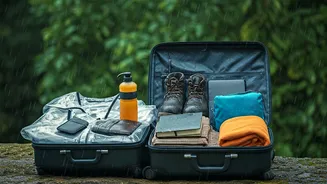
The days of impromptu weekend trips to the mountains during the monsoon are fading. Travel industry experts report a significant shift in booking patterns. “We are seeing a lot more caution,” says a manager at a leading online travel agency. “People are booking closer to their travel dates, sometimes just a week or two in advance, after carefully monitoring weather forecasts.” This ‘wait and watch’ approach allows travellers to back out if conditions look grim. Furthermore, travel insurance, once an afterthought, is now a top consideration for many. Policies that cover trip cancellations or interruptions due to natural calamities are in high demand. Hotels and resorts in vulnerable areas are also adapting, offering more flexible cancellation policies to attract hesitant tourists, knowing that a single weather warning can wipe out their bookings for weeks.
Your Smartphone is the New Tour Guide
Technology has become an indispensable tool in this new era of cautious travel. Beyond just checking the IMD’s official website, travellers are now glued to a host of third-party weather apps like AccuWeather and The Weather Channel for hyperlocal, hour-by-hour forecasts. Social media platforms, particularly X (formerly Twitter) and Facebook groups, have transformed into real-time information hubs. Travellers share on-the-ground updates about road blockages, river levels, and local weather conditions, creating a crowdsourced network of travel advisories. A quick search for a hashtag related to a destination can provide more immediate and candid information than any official bulletin, empowering tourists to make last-minute decisions about their routes or even their entire trip.
The Economic Ripple Effect
This behavioural shift has profound economic consequences for regions that are heavily dependent on tourism. Hill stations, in particular, face a double-edged sword. The monsoon season traditionally extended their peak season, but now it represents a period of immense uncertainty. A string of cancellations can devastate local economies, impacting not just hotels but also taxi drivers, restaurant owners, and shopkeepers. State governments are caught between promoting tourism and ensuring public safety. While they issue advisories and manage disaster response, the perception of a destination as ‘unsafe’ during the rains can linger, causing a long-term dip in visitor numbers. This has prompted a search for more sustainable, all-weather tourism models that are less vulnerable to the whims of an increasingly erratic climate.
A Shift in Scenery
Faced with the risks, many travellers are rethinking their destinations altogether. Instead of heading for the hills, some are opting for less geographically volatile locations. Coastal areas outside of direct cyclone paths, destinations in the Deccan Plateau, or even wellness retreats and staycations in their own cities are gaining popularity as safer monsoon alternatives. This has led to a diversification of the domestic travel market. Destinations that were once considered off-season are now seeing an uptick in visitors looking for a hassle-free break. The classic monsoon road trip is being replaced by journeys to places that promise relaxation without the looming threat of being stranded by a landslide.