



Embrace Warming Spices like Turmeric and Ginger
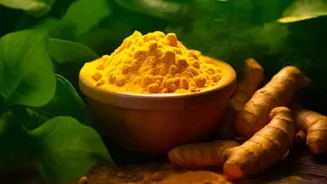
Turmeric and ginger are staples in Indian kitchens, and they become even more crucial during the monsoon. Turmeric, with its active compound curcumin, is a potent anti-inflammatory and immunity booster. Ginger is known for its ability to fight infections,
soothe a sore throat, and aid digestion, which tends to be sluggish this season. Adding these warming spices to your daily curries, dals, and teas can help your body fight off common colds and flu. A simple habit like drinking warm turmeric milk before bed or starting your day with ginger tea can make a significant difference.
Opt for Light, Easy-to-Digest Lentils
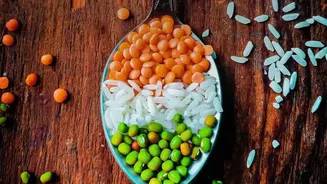
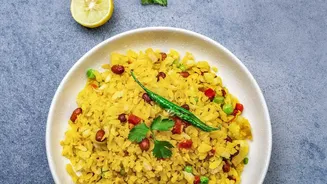
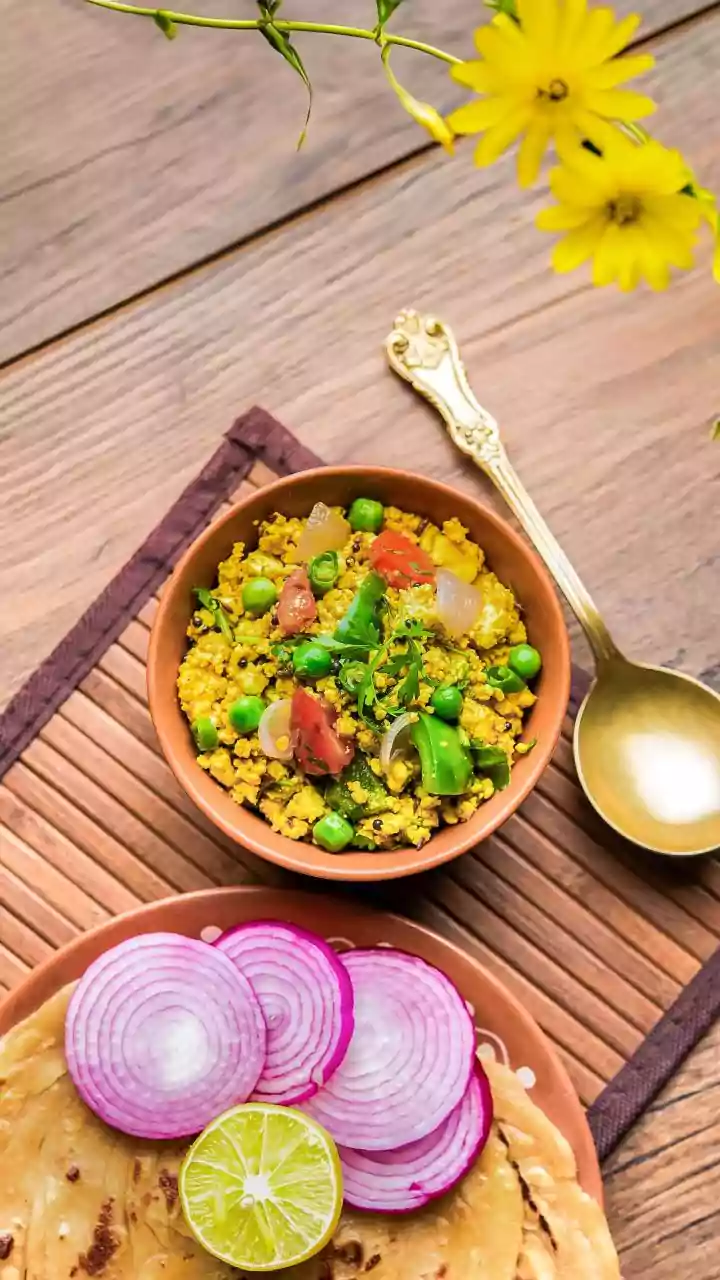
Heavy meals can burden a sensitive monsoon stomach. According to Ayurvedic principles, the digestive fire (agni) is weaker during the rainy season. This is why it's wise to switch to lighter lentils. Moong dal, in particular, is highly recommended because it is easy to digest and packed with protein. Incorporating it into dishes like khichdi or simple dal preparations provides nourishment without overloading your system. It's best to avoid heavier dals and proteins that are harder for your body to process during this time.
Choose Your Vegetables Wisely
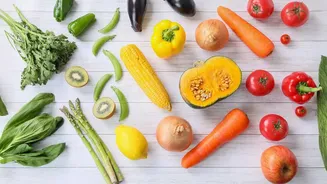
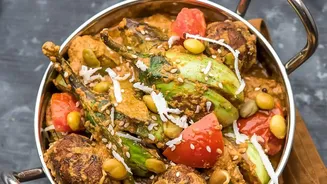
While vegetables are always important, the monsoon demands careful selection. It's best to opt for cooked vegetables over raw salads, as the risk of contamination from bacteria and fungi is higher in damp weather. Gourds like lauki (bottle gourd), tinda (apple gourd), and parwal (pointed gourd) are excellent choices. They are light, hydrating, and easy on the digestive system. Bitter vegetables like karela (bitter gourd) and neem are also beneficial for their infection-fighting properties. Leafy greens like spinach and cabbage should be consumed with caution; they must be washed thoroughly, preferably in warm salt water, and cooked well before eating.
Rely on Probiotic Power
Gut health is the cornerstone of a strong immune system. The monsoon can disrupt the balance of good bacteria in your digestive tract, making you more susceptible to stomach bugs. Including probiotic-rich foods like homemade dahi (yogurt) and buttermilk (chaas) in your diet is an effective way to support your gut. These foods replenish healthy bacteria, which helps in digestion and fighting off pathogens. A spiced buttermilk with a pinch of roasted cumin and mint is a traditional and refreshing way to aid digestion.
Snack on Immunity-Boosting Fruits
Seasonal fruits are a great way to get a dose of essential vitamins and antioxidants. During the monsoon, fruits like jamun, pomegranates, pears, and plums are excellent choices. Jamun is particularly noted as a monsoon superfruit, while pomegranates are rich in antioxidants that help protect your cells. Amla (Indian gooseberry) is another powerhouse of Vitamin C, a crucial nutrient for boosting the production of white blood cells that fight infection. It's advisable to avoid pre-cut fruits sold by street vendors and to wash all fruits thoroughly before consumption.
Stay Hydrated with Warm Fluids
While it's easy to drink less water in cooler weather, staying hydrated is essential for flushing out toxins. However, it's crucial to ensure the water is clean and safe. Drinking boiled or filtered water is highly recommended. Furthermore, opting for warm fluids can be particularly beneficial. Herbal teas made with tulsi, ginger, or cinnamon not only keep you hydrated but also provide antimicrobial benefits and help keep the body warm. Warm vegetable soups are another fantastic option, providing both hydration and light, easily digestible nutrients.