






Start With a Realistic Festive Fund
Before any festive planning begins, the first step is to create a dedicated fund. Look at your monthly income and deduct all your fixed commitments: rent or EMIs, school fees, regular bills, and savings. What remains is your discretionary income. From
this, decide on a realistic amount you can allocate for the entire festive season. Recent data shows that food inflation in India stood at 5.95% in August 2026, putting a noticeable strain on household budgets. Acknowledging this reality is crucial. Your budget from last year might not be sufficient this year. It’s better to have a smaller, well-managed budget than to start the new year in debt. Once you have a total figure, break it down by category: food, gifts, travel, and decorations.
Plan Your Menu with Precision
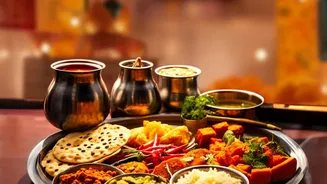
Food is often the biggest expense during festivals. With food and beverage inflation running at 5.66%, smart menu planning is your best tool. Instead of an endless spread, focus on a few signature, well-loved dishes. Plan each meal in detail, list every ingredient, and check your pantry before you shop. This prevents both impulse buys and last-minute runs to the store for a single, forgotten item. Consider making sweets and snacks at home; store-bought mithai and namkeen are often more expensive and it allows you to control the quality of ingredients. Buying staple ingredients like flour, sugar, pulses, and oils in bulk can also be more cost-effective if you have the storage space and will use them throughout the season.
The Three-Bucket Spending Strategy
Once your menu is planned, divide your food expenses into three buckets: 'Must-Haves,' 'Good-to-Haves,' and 'Splurges.' 'Must-Haves' are the absolute essentials for your core festive meals. These are non-negotiable items that define the celebration for your family. Allocate the largest portion of your budget here. 'Good-to-Haves' are items that would be nice but aren't critical. This could be an extra side dish, a specific brand of beverage, or a more elaborate dessert. If your budget is tight, this is the first category to make cuts from. 'Splurges' are the special, high-cost treats, like exotic ingredients or imported goods. Reserve a very small, fixed part of your budget for one or two splurge items. This allows you to indulge in a controlled way without derailing your entire financial plan.
Shop Smart, Not Hard
Your shopping strategy is where your budget meets reality. Never shop without a list. With some specific items like onions and ginger seeing high inflation, it pays to be strategic. Before you leave home, compare prices at different local stores or online platforms. Many hypermarkets offer festive deals and combo offers that can lead to significant savings. Try to do your shopping on weekdays, as stores are often less crowded, reducing the likelihood of impulse purchases. Avoid the temptation to fill your cart just because an item is on sale; ask yourself if it's on your list and if you will genuinely use it. Using cashback offers and credit card reward points can also help stretch your budget further, provided you pay the balance in full to avoid interest charges.
Embrace Community and Potlucks
Festivals are about community, and this can be a powerful tool for budgeting. If you are hosting a large gathering, consider organizing a potluck. This approach distributes the financial and labour-intensive burden of cooking among all the guests, making it a more manageable and enjoyable experience for everyone. Each family can bring a dish they specialize in, which not only reduces costs for the host but also ensures a diverse and abundant feast. This collaborative spirit shifts the focus from lavish, individual spending to shared celebration and togetherness, which is the true essence of any festival.