








The Domino Effect of Bad Weather
Even a short burst of bad weather over a single airport can cause a ripple effect across the country. When an airport like Mumbai or Delhi suspends operations for even an hour due to heavy rain or low visibility, it doesn't just delay the flights waiting
to take off or land there; it creates a cascade of disruptions. The aircraft scheduled for your flight might be stuck in another city, the crew could be delayed, and airport gates become congested. This is why a storm in one region can delay your flight in another, completely sunny part of the country. These cascading delays mean that a one-hour weather event can easily translate into a three or four-hour wait for passengers down the line.
For Air Travel: The Three-Hour Rule
During periods of likely weather disruption, such as the monsoon season, the standard advice to arrive two hours before a domestic flight is no longer sufficient. Travel experts now recommend building in at least a three-hour buffer, especially if your journey involves a connecting flight. This extra time isn't just for getting through security; it’s for absorbing potential delays. Use that time wisely. Continuously monitor your flight status via the airline's app, as these are often updated before the airport display boards. Also, sign up for real-time weather alerts for both your departure and arrival cities. If you're traveling with only a carry-on, you're in a much better position to be rebooked on an alternate flight quickly if yours is cancelled.
For Road Travel: Double Your Cushion
When driving in heavy rain or fog, your primary concerns are reduced visibility and slick roads. Experts advise increasing your following distance from the vehicle ahead to at least a four-second gap. Reduce your speed significantly—driving 10-15 km/h below the posted limit is a common recommendation in poor conditions. Roads are most treacherous during the first 10-20 minutes of a rainfall, as the water mixes with oil and dust on the surface, creating a slippery film. Avoid using cruise control, as it can reduce your ability to react to sudden hydroplaning. Before you even leave, check your vehicle’s essentials: wiper blades, tire tread, and defrosters. For longer journeys, add at least 30 to 60 minutes of buffer time for every two hours of planned driving to account for slower speeds and potential roadblocks.
Smarter Packing for Unexpected Waits
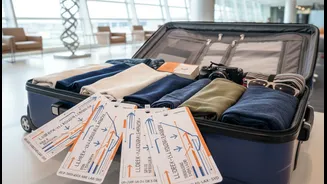
Building a buffer isn't just about time; it’s also about having the right supplies. Assume you might face a significant delay and pack your carry-on accordingly. This means including essential medications, a portable power bank for your phone, and important documents. Add a change of clothes and basic toiletries in case you face an overnight delay. Having snacks and a reusable water bottle can also make a long, unexpected wait far more comfortable without forcing you to rely on expensive airport food. Think of it as an emergency kit for modern travel; you hope you won't need it, but you'll be relieved to have it when you do.