

The Magic of a Post-Monsoon Drive
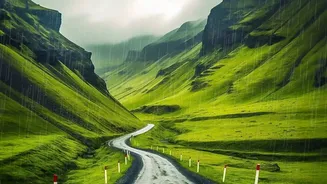
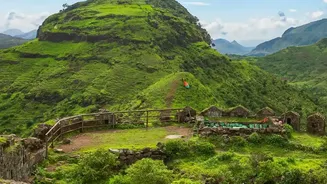
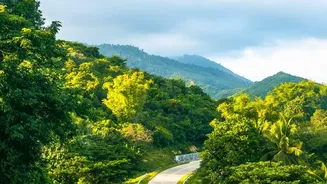
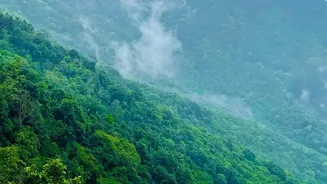
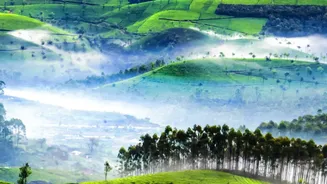
September and October are arguably the best months to witness the Western Ghats. The ferocious rains have subsided, but their gift of lush vibrancy remains. The air is clean, the climate is pleasant, and the landscape is a feast for the eyes. This is the season
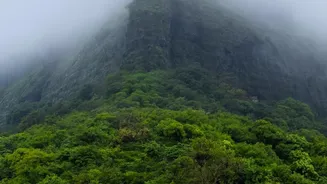
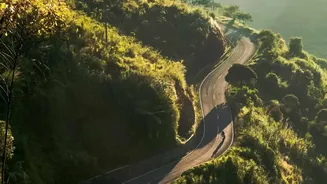
when the mountains are at their most photogenic, with clouds floating at eye level and streams gurgling beside the roads. A weekend drive offers a perfect escape to soak in this transient beauty, a sensory experience filled with the smell of wet earth and the sight of rejuvenated nature. However, driving in the ghats requires caution. Roads can be slippery, and some sections may still be prone to minor landslides or damage. Always check local conditions before you start.
For Mumbaikars: The Tamhini Ghat Circuit
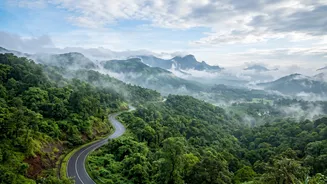
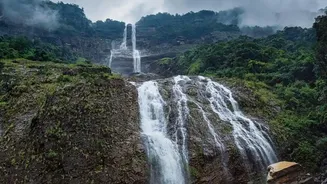
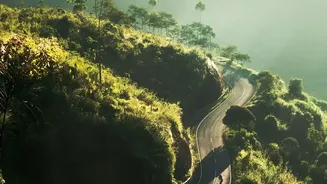
Often celebrated as one of Maharashtra's most stunning drives, the route through Tamhini Ghat is a post-monsoon spectacle. Starting from Mumbai, the approximately 160 km journey takes you towards the Mulshi Dam, whose backwaters are brimming and beautiful after the rains. The ghat section itself is a driver's paradise, with smooth, winding roads cutting through dense forests that are frequently enveloped in a gentle mist. The area is famous for its countless waterfalls that cascade down the hills, some even spilling onto the road, creating a magical curtain of water. The drive is not just about the destination but the journey itself, with numerous spots to pull over, enjoy the view, and savour some hot chai and bhajiyas from roadside stalls.
For Bangaloreans: The Chikmagalur Coffee Run
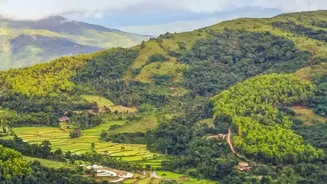
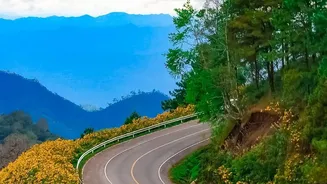
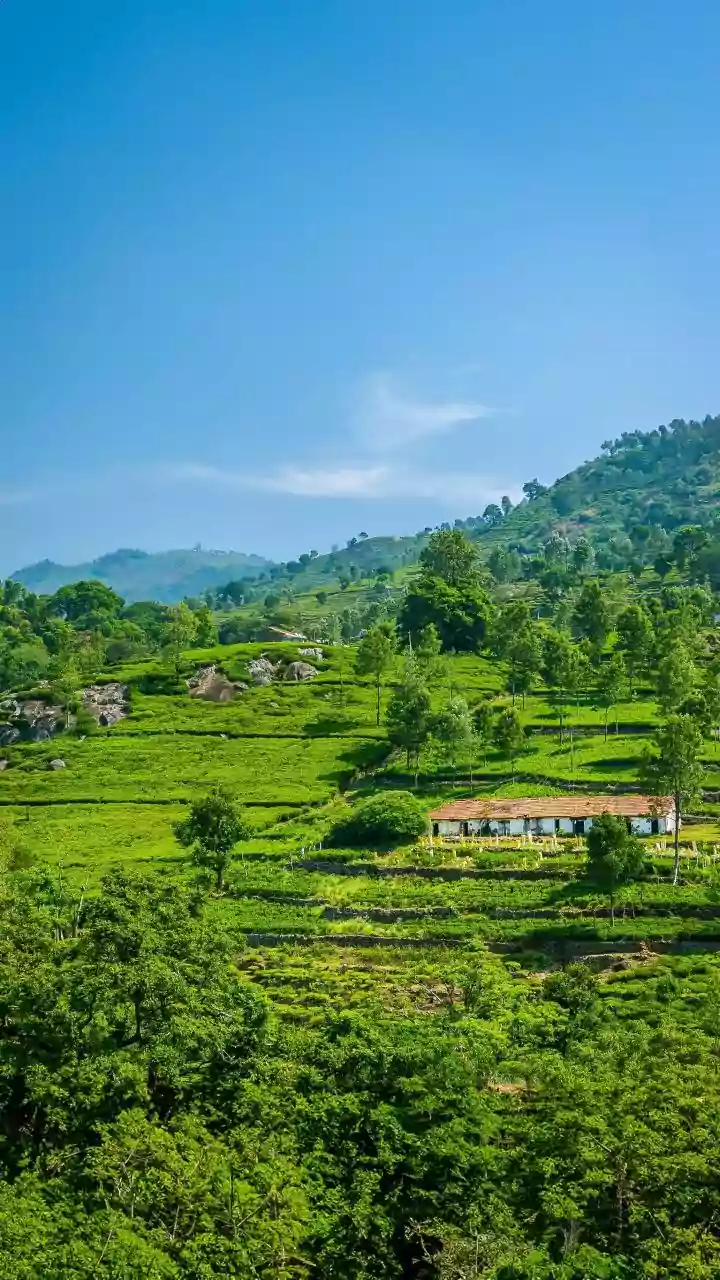
A road trip from Bangalore to Chikmagalur is a classic for a reason. The approximately 5-hour drive transports you from the city bustle to the serene coffee country of Karnataka. Post-monsoon, the entire region is a lush expanse of rolling hills covered in coffee plantations. Key destinations include Mullayanagiri, the highest peak in Karnataka, offering breathtaking views from the top. The roads leading to the peak can be challenging, but the panoramic vistas of green valleys are a worthy reward. You can also visit the majestic Jhari Falls or Hebbe Falls, which are at their voluminous best during this time. The drive itself, particularly through the final stretches, is incredibly scenic, with well-maintained roads winding through a verdant landscape.
The Biodiversity Hotspot: Amboli Ghat
For those seeking a truly immersive natural experience, Amboli Ghat is an unparalleled choice. Located in the southern part of the Sahyadri range, Amboli receives some of the highest rainfall in Maharashtra, which makes its post-monsoon avatar exceptionally vibrant. The drive to this biodiversity heritage site, accessible from both Mumbai and Pune, reveals a rich tapestry of flora and fauna. The main attractions are the spectacular Amboli Falls, Shirgaonkar Point for its misty valley views, and the unique Nangartas Falls. The roads are winding and often covered in thick fog, demanding careful and slow driving, but the reward is a front-row seat to one of the most ecologically rich and beautiful parts of the Western Ghats.
Essential Driving and Safety Tips
Driving in the ghats after the monsoon requires special care. Ensure your vehicle is in top condition, especially the tyres, brakes, and wipers. Visibility can drop suddenly due to mist and fog, so use your headlights and honk on blind curves. It is always safer to give way to uphill traffic on narrow sections. Roads can be slippery, so maintain a slower speed and avoid sudden braking. Given the possibility of road closures due to landslides or repairs—as has sometimes been the case with routes like Malshej Ghat—always check for the latest traffic advisories before you leave. Finally, avoid stopping in spots that look unsafe, such as directly under steep, rocky hillsides.