


The Essence of Chatpata
To define 'chatpata' is to describe a delightful riot in the mouth. It’s not just a single taste but a dynamic profile that balances sweet, sour, spicy, salty, and tangy notes in perfect, exhilarating harmony. The word itself, derived from Hindi, is often
translated as “lip-smacking,” a description that feels more like an involuntary reaction than a mere definition. At its core, chatpata is an experience. It’s the sharp tang of tamarind, the cooling effect of yogurt, the pungent kick of black salt (kala namak), the subtle sweetness of jaggery, and the fiery warmth of chillies, all working together to create something uniquely compelling. This complex layering of flavors is the hallmark of Indian chaat, the family of savory snacks where this taste profile truly reigns supreme.
Born on the Streets
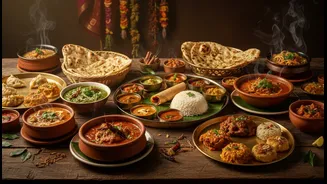
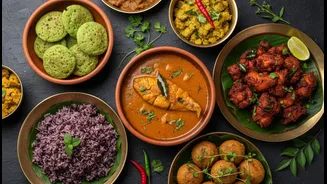
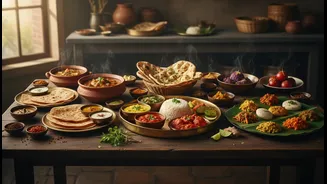
The story of chatpata is intrinsically linked to the bustling lanes and markets of India. It’s the flavor of pani puri, where a crisp hollow sphere is filled with spiced potatoes and a torrent of tangy, herb-infused water. It’s the soul of bhel puri, a crunchy mix of puffed rice, vegetables, and chutneys. Legend traces the origin of chaat to the 16th-century Mughal era, when Emperor Shah Jahan’s royal physician supposedly prescribed foods laden with spices to counteract the contaminated water of the Yamuna River. Whether born from medicinal necessity or simply the genius of street vendors, chaat became a cultural phenomenon, a quick, affordable, and delicious snack for the masses. These dishes are not just food; they are woven into the fabric of daily life and nostalgia, a taste of childhood and community.
The Journey to the White Tablecloth
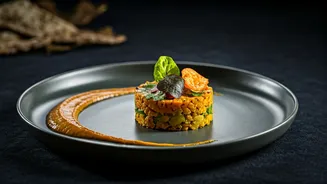
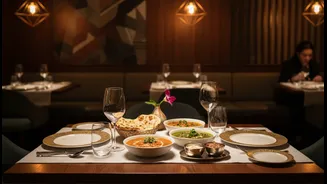
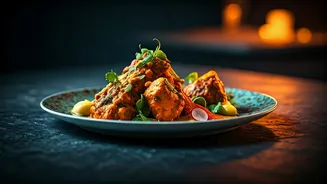
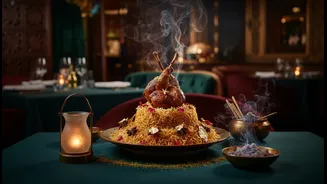
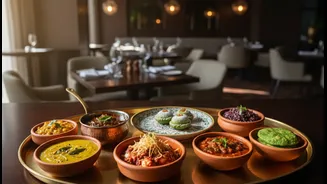
For decades, this explosive flavor profile was largely confined to street stalls and casual eateries. But a new generation of Indian chefs, both at home and abroad, has started a culinary revolution. They are taking the beloved, humble flavors of the street and elevating them with sophisticated techniques and premium ingredients, proving that chatpata belongs in fine dining. Restaurants like the globally acclaimed Indian Accent have been pioneers in this movement, deconstructing and reimagining traditional dishes with a modern sensibility. Their philosophy revolves around presenting familiar recipes in fresh, inventive ways that respect their origins while pushing culinary boundaries.
Deconstructing a Classic
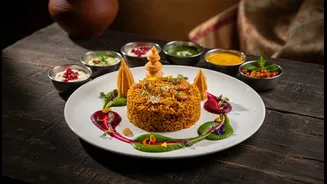
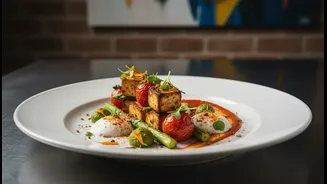
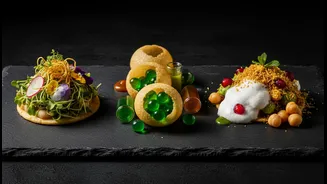
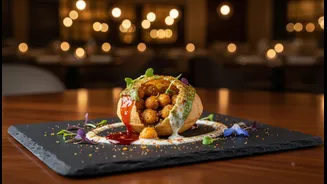
This new wave of modern Indian cuisine is not about simple imitation. It’s about thoughtful reinterpretation. Chef Manish Mehrotra, a pioneer in this space, famously transformed Old Delhi’s winter-only Daulat ki Chaat into a year-round dessert at Indian Accent, using technology to perfect the delicate, airy dish. Other chefs have followed suit. Chef Hussain Shahzad’s Chilled Sea Bass Sev Puri at The Bombay Canteen reimagines a Mumbai classic with cured fish on a crispy chapati base. At Junoon in New York, a crispy eggplant chaat offers a unique take on the classic. Chefs like Gaggan Anand, known for his playful and molecular approach, have presented dishes like 'Yoghurt Explosion,' which captures the essence of a chaat flavor in a single, surprising spoonful. These creations use foams, gels, and unexpected pairings to deliver the nostalgic chatpata hit in a refined, elegant package.
A Flavor Whose Time Has Come
The rise of chatpata in fine dining isn’t just a trend; it’s a statement. It reflects a growing confidence and pride in India’s own culinary heritage. For years, fine dining in India often meant French or Italian food. Now, chefs are looking inward, celebrating the diversity and complexity of their own regional cuisines. As Chef Shantanu Mehrotra of Indian Accent notes, the goal is to elevate Indian food and explore its lesser-known regions, adding a global touch without losing the soul of the dish. This movement also coincides with a global palate that is more adventurous than ever, eager to embrace the bold, multi-layered flavors that Indian food, and particularly chatpata, offers in abundance.