


A Quiet Rebellion Against Cold Minimalism
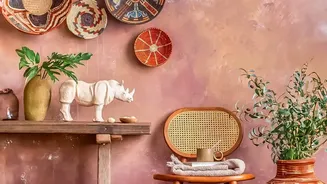
For years, minimalism meant clean lines, neutral palettes, and a near-clinical absence of clutter. But a new wave, often described as 'warm minimalism', is gaining traction. This approach favours spaces that feel personal, lived-in, and grounding. Terracotta,
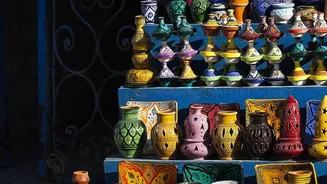
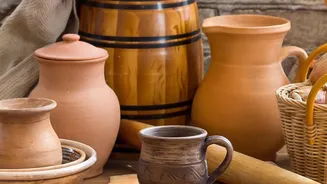
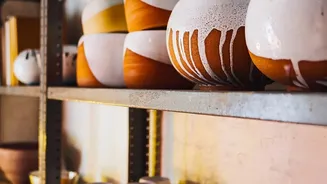
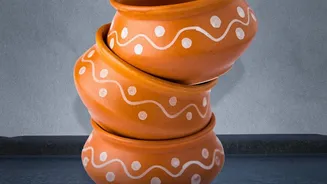
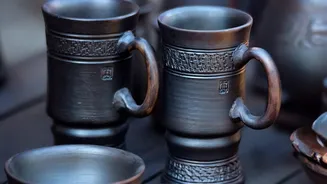
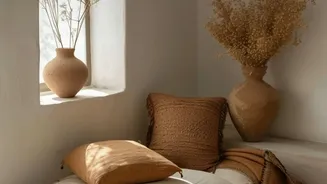
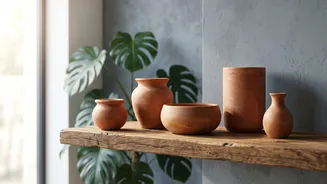
which translates to "baked earth," is central to this shift. Its natural, earthy tones introduce warmth and character, acting as an antidote to sterile interiors. Gen Z decorators are using terracotta pieces—from sculptural vases and planters to dinnerware and decorative objects—to add a layer of texture and soul to otherwise simple spaces, proving that minimalism can be cozy and inviting.
The Appeal of Authenticity and Sustainability
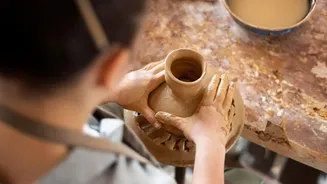
The turn toward terracotta is about more than just aesthetics; it's a reflection of Gen Z's values. In a world saturated with digital screens and mass-produced goods, the tactile, imperfect nature of a handmade clay pot offers a tangible connection to the real world. Each handcrafted piece has a subtle uniqueness that feels authentic and personal. Furthermore, sustainability is a major driver of this trend. Terracotta is made from clay, an abundant natural resource, and its creation process can have a lower environmental impact than synthetic materials. As an eco-conscious generation, choosing a durable, long-lasting, and biodegradable material is a deliberate lifestyle choice.
Connecting with Indian Craft Heritage
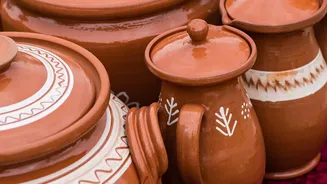
While terracotta is a global trend, it has deep and ancient roots in India, with a history stretching back thousands of years from the Indus Valley Civilization. This renewed interest connects modern homes with a rich legacy of craftsmanship. Artisanal traditions from regions like Bishnupur in West Bengal, known for its intricate temple panels and figurines, and Kutch in Gujarat, with its elegant engraved pottery, are finding new appreciation. By incorporating these pieces, decorators are not just styling a room; they are supporting artisan communities and helping to preserve cultural heritage. The material itself is well-suited to the Indian climate, with natural cooling properties that have made it a staple in architecture for centuries.
How to Get the Look Right
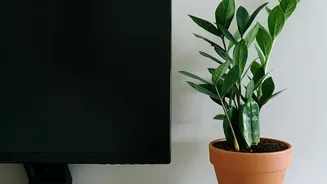
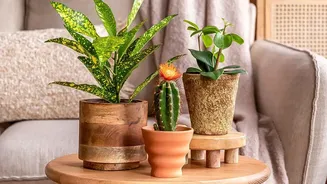
Adopting the terracotta trend doesn't require a complete overhaul. The key is to use it as an accent rather than a dominant theme. Start small with a few well-chosen items, like a group of planters by a window or a single statement vase on a console table. The trick is to create balance by mixing materials. Pair terracotta's matte texture with the smoothness of wood, the softness of linen textiles, and the gleam of brass to create a layered, interesting space. For a clean, minimalist look, group two or three pieces together instead of scattering them around a room. This approach ensures the earthy warmth of the clay stands out without making the space feel cluttered or dated.