






Get Your Body Moving
Physical activity is one of the most effective ways to support brain health. Regular exercise that increases your heart rate and gets the blood flowing is crucial. This increased circulation delivers essential oxygen and nutrients that your brain needs
to function optimally. Activities like brisk walking, swimming, cycling, or even gardening can improve memory, attention, and sleep quality. Evidence suggests that regular movement may help maintain memory function even after some memory problems have started. For most adults, aiming for at least 150 minutes of moderate aerobic activity, like brisk walking, spread throughout the week is a great goal. Even short, 10-minute walks during the day can contribute to your overall well-being.
Challenge Your Mind Daily
Just as exercise strengthens your muscles, mentally stimulating activities help keep your brain active and may build up your 'cognitive reserve'. This reserve is like a backup system that helps your brain function even as it ages. You can challenge your mind by learning something new, like a skill, a language, or a musical instrument. Even simple changes, such as trying a new recipe, reading regularly, or doing puzzles can create new neural pathways and strengthen existing ones. The key is to find activities that are both new and challenging for you. This mental exercise can enhance memory, attention, and problem-solving skills.
Nourish Your Brain with a Healthy Diet
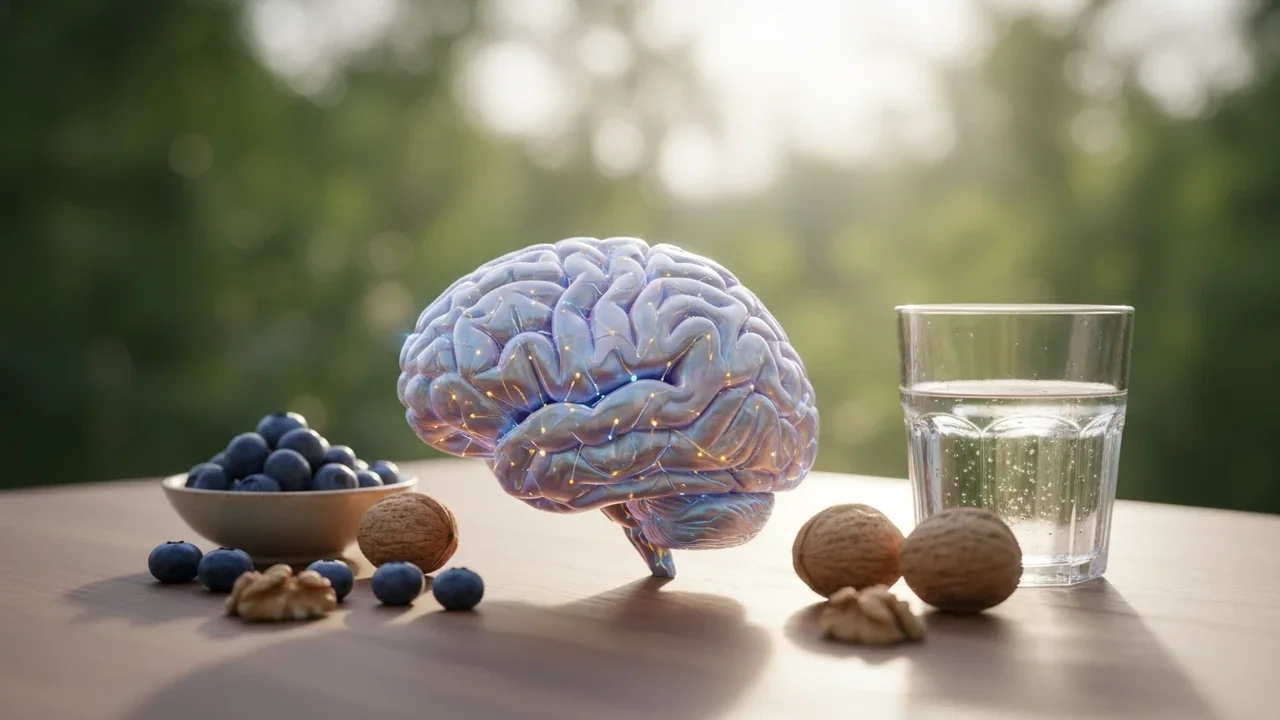
The foods you eat play a significant role in your cognitive health. Diets that are good for your heart are generally also good for your brain. Research points to eating patterns like the Mediterranean diet or the MIND diet, which emphasize whole, plant-based foods. These diets are rich in fruits, vegetables (especially leafy greens), whole grains, nuts, and lean proteins like fish. These foods provide antioxidants, vitamins, and healthy fats that help protect brain cells. Limiting highly processed foods, excess sugar, and unhealthy fats is also a key component of a brain-healthy diet. It's less about a single 'superfood' and more about a consistent pattern of healthy eating.
Stay Socially Connected
Humans are social creatures, and strong relationships are linked to better brain health. Social isolation is considered a significant risk factor for cognitive decline. Meaningful interactions with friends, family, and your community help keep your brain engaged and can reduce stress and feelings of loneliness. Engaging in group activities, volunteering, or joining a club provides mental stimulation combined with emotional support. These connections help create a sense of belonging and safety, which reduces the body's stress response and contributes to healthier ageing.
Prioritise Quality Sleep
Sleep is not just rest; it's a critical period when your brain performs vital maintenance. During sleep, your brain consolidates memories, clears out toxins, and processes information from the day. Consistently poor sleep is associated with difficulties in memory and concentration. Most adults should aim for seven to nine hours of quality sleep per night. If you consistently have trouble sleeping or if snoring is an issue, it may be a sign of a sleep disorder like sleep apnea, which can increase the risk of cognitive decline. Establishing a regular sleep schedule can make a significant difference in your brain's ability to recharge.
Manage Your Stress
While everyone experiences stress, chronic stress can negatively impact memory, concentration, and mood. Finding healthy ways to manage stress is an important part of a brain-healthy lifestyle. Techniques such as mindfulness, deep breathing exercises, spending time in nature, or regular physical activity can help regulate your body's stress response. Learning new skills can also serve as a form of mindfulness, diverting your attention from daily stressors. Talking with supportive friends or family can also provide an essential outlet and reduce the feeling of being overwhelmed.