
The Challenge with Plant-Based Iron
Iron is a vital mineral that our bodies use to create haemoglobin, a protein in red blood cells that carries oxygen from the lungs to the rest of the body. Without enough iron, you can feel fatigued, weak, and short of breath. Dietary iron comes in two
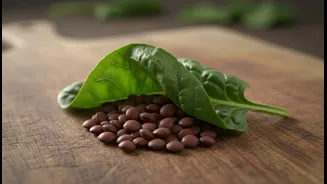
forms: heme and non-heme. Heme iron, found in meat, poultry, and seafood, is easily absorbed by the body. Non-heme iron, found in plant-based sources like lentils, beans, spinach, and whole grains, is much trickier for our bodies to use. This is because plant foods often contain compounds called phytates and polyphenols, which bind to iron and inhibit its absorption. For vegetarians, vegans, and anyone relying heavily on plants for their nutrition, this presents a significant challenge.
How Vitamin C Unlocks Iron
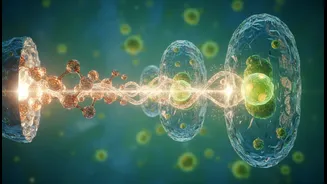
This is where vitamin C comes to the rescue. Scientific studies have consistently shown that vitamin C is a powerful enhancer of non-heme iron absorption. It works in two main ways. First, vitamin C helps to change the iron into a form that is more readily absorbed by the intestines. Most non-heme iron is in a form called ferric iron (Fe3+), which is difficult for our gut to take in. Vitamin C helps convert it into the much more soluble and bioavailable ferrous iron (Fe2+). Second, vitamin C can counteract the effects of those iron-blocking compounds. It forms a protective, soluble complex with the iron in the stomach, keeping it available for absorption even in the presence of inhibitors like phytates found in dal and whole grains.
Smart Pairings for Your Plate
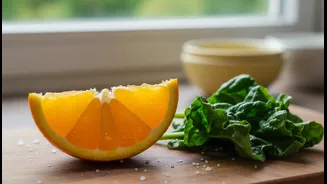
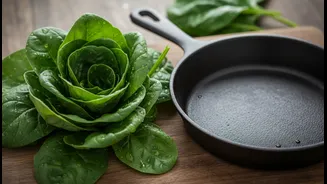
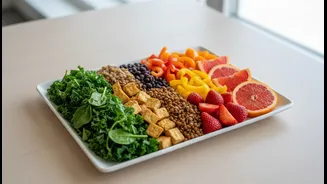
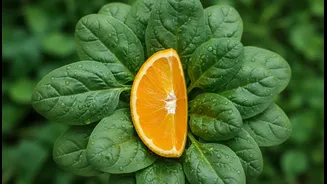
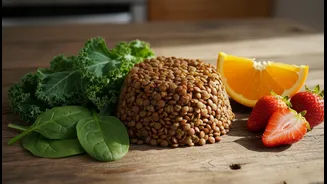
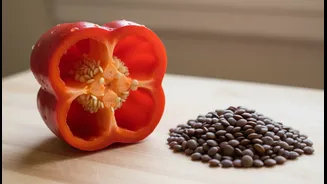
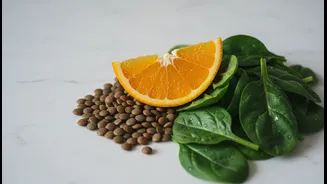
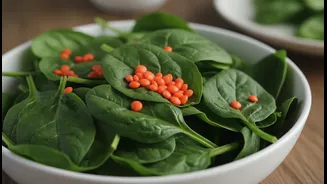
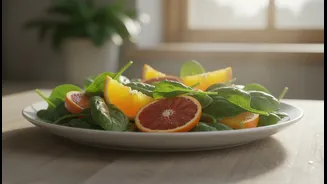
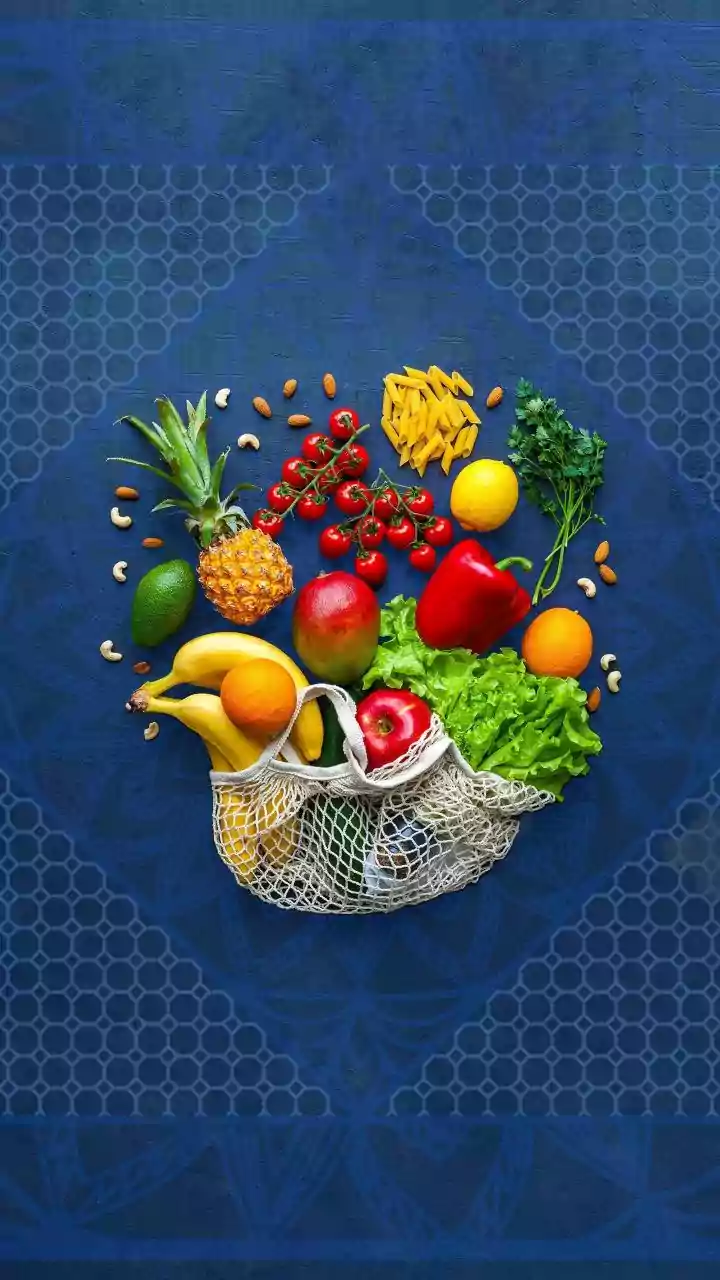
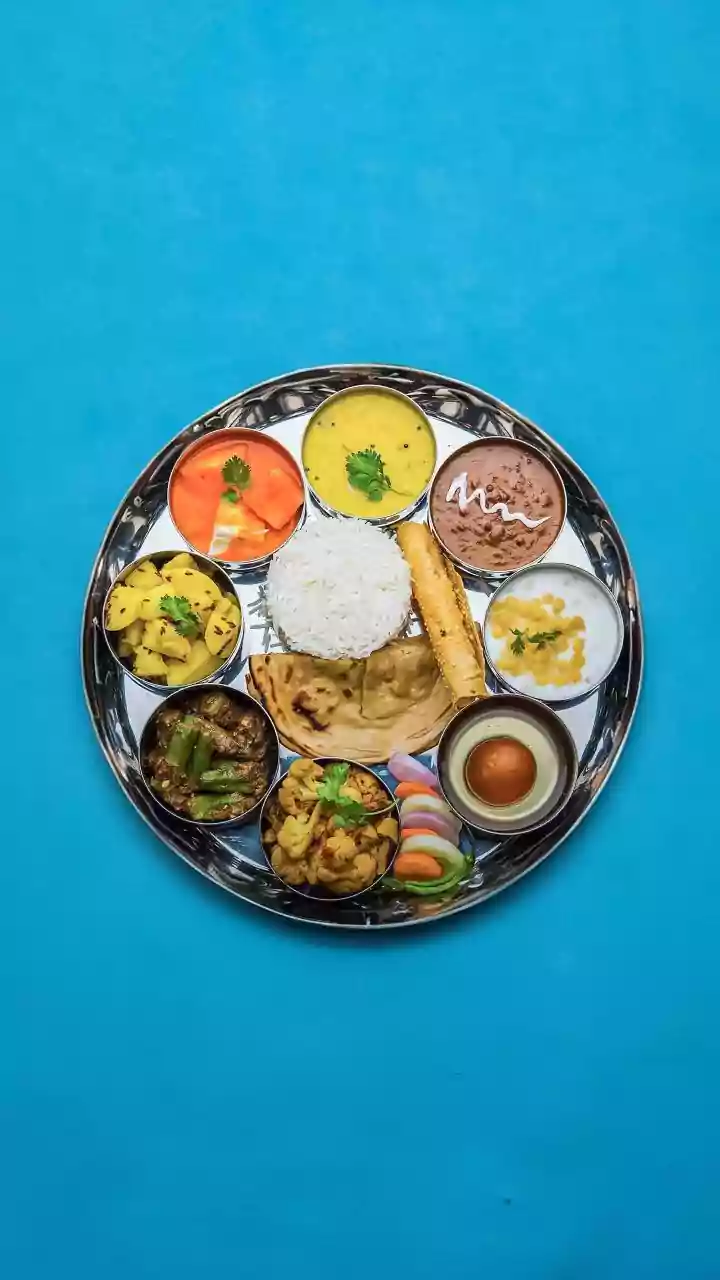
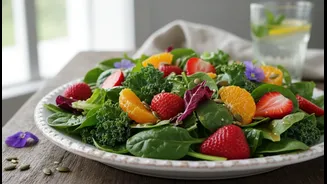
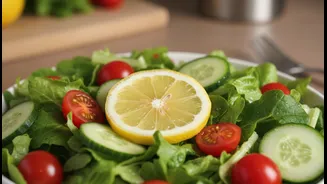
The key is to consume vitamin C and plant-based iron in the same meal. The effect is directly related to the amount of vitamin C present. Luckily, this is easy to do and can be delicious. Many traditional Indian eating habits already incorporate this principle. For example, squeezing lemon (a great source of vitamin C) over a bowl of dal or spinach sabzi is a classic way to boost iron uptake. Here are some effective and simple pairings to try: - Lentils and Legumes (Dal, Chana): Add a generous squeeze of lemon or lime juice, or incorporate chopped tomatoes, bell peppers (capsicum), or amla into your preparation. - Spinach and Leafy Greens: Pair palak with tomatoes in a curry, or have a spinach salad with orange slices or strawberries. - Whole Grains (Roti, Brown Rice): Have your chapati with a side of tomato and onion salad or a vegetable curry rich in bell peppers. - Seeds and Nuts: Blend sesame or pumpkin seeds into a smoothie with citrus fruits or berries. - Fortified Cereals: Top your morning bowl of iron-fortified oats with fresh strawberries or kiwi.
Timing and Other Factors to Consider
Just as some foods help absorption, others can hinder it. The tannins found in tea and coffee are potent iron inhibitors, sometimes reducing absorption by up to 90%. To maximize your iron intake, it’s best to avoid drinking tea or coffee with or immediately after an iron-rich meal. Try to leave a window of at least an hour or two between your meal and your cup of chai or coffee. Calcium is another nutrient that can interfere with the absorption of both heme and non-heme iron. While essential for health, it's wise not to consume high-calcium foods like milk, yogurt, or cheese at the same time as your main iron-focused meal if you are concerned about your iron levels. By being mindful of these combinations, you can make simple adjustments that ensure your body gets the most out of the nutritious food you eat.