

Understanding the Flood's Impact
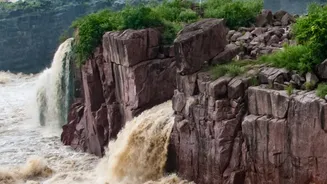
On August 26, 2026, a catastrophic flash flood, likely triggered by a glacial collapse, struck northern Nepal. The disaster was severe but geographically concentrated, primarily affecting the Rasuwa, Nuwakot, and Dhading districts along the Trishuli and Bhote
Koshi river corridors near the Nepal-China border. These floods caused extensive damage to roads, bridges, and infrastructure in this specific region, leading to a significant loss of life and disrupting key overland trade and pilgrimage routes. However, it is crucial for travellers to know that this was not a nationwide event. Sweeping headlines suggesting all of Nepal is flooded are misleading, as major tourism hubs were largely outside the disaster zone.
Are Major Tourist Hubs Safe and Open?
For the majority of Indian tourists, the answer is yes. Popular destinations like Kathmandu, Pokhara, Chitwan, and Lumbini remain operational, safe, and accessible. The floods did not directly impact the Kathmandu Valley, and its heritage sites, hotels, and services are functioning normally. Similarly, Pokhara and Chitwan National Park are open for tourism activities like safaris and boating. The primary disruption reported by some tourists has been related to overland travel and a general sense of caution, with some travellers choosing to cut their trips short due to safety perceptions rather than direct impact on their destinations.
The Critical Issue: Overland Travel vs. Flying
The biggest challenge for September travel is overland connectivity. The Prithvi Highway, a key artery connecting Kathmandu to Pokhara and Chitwan, has faced closures, including a complete blockage at Krishnabhir in Dhading District. Travellers planning to drive between these cities should not assume the route is open and must check conditions immediately before departure. The clear advice from on-the-ground sources is to fly. Domestic flights between Kathmandu, Pokhara, and Bharatpur (for Chitwan) are operating normally and are unaffected by the road issues. Tribhuvan International Airport in Kathmandu also remains fully operational for international flights. For those entering from India by road via crossings like Sonauli, be aware that some tourists have reported encountering waterlogged roads and turning back.
Trekking: What's Open and What's Closed
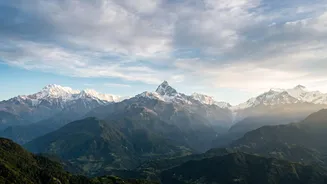
The trekking landscape is divided. The Everest and Annapurna regions, including the popular Base Camp treks for both, are fully open and were not affected by the floods. Most major trekking routes like Manaslu Circuit and Upper Mustang are also operational. The significant exception is the Langtang region. While the valley itself wasn't directly hit, the access roads through Rasuwa district, such as the Pasang Lhamu Highway, were destroyed. Travel to the Langtang, Gosaikunda, and Tamang Heritage Trail areas is not currently possible. The US Embassy and other international bodies have issued "Do Not Travel" advisories for the Rasuwagadhi-Timure-Syafrubesi area in Rasuwa district specifically.
Pilgrimage Routes and Official Advice
The floods have severely impacted the Kailash Mansarovar Yatra that goes overland via the Rasuwagadhi-Kerung border with Tibet, which is now closed. This has caused major cancellations for this specific pilgrimage. However, major religious sites within Nepal, such as Pashupatinath Temple in Kathmandu, Muktinath, and Lumbini, remain open and accessible. The Nepal Tourism Board has been actively communicating that the country is open for business, urging travellers not to cancel their plans for unaffected regions. Their message is clear: visiting Nepal now is a crucial show of support for a nation whose economy relies heavily on tourism.
Your September Checklist for Nepal Travel
If your itinerary avoids the hard-hit northern districts, travel to Nepal in September is feasible with added precautions. Here is what to do: 1. Fly, Don't Drive: Opt for domestic flights between major cities like Kathmandu and Pokhara to bypass road closures. 2. Confirm Everything: Double-check all bookings, from hotels to tour operators. Ask them directly about conditions on the ground. 3. Check Your Trekking Route: If you are trekking, confirm with your agency that your specific trail and its access roads are open. Avoid the Langtang region for now. 4. Stay Updated: Monitor information from official sources like the Nepal Tourism Board and check road status with Nepal's Department of Roads. 5. Get Travel Insurance: Ensure your policy covers trip disruptions and medical emergencies. 6. Be Flexible: The situation, especially concerning road repairs, can change. Build extra time into your itinerary and be prepared to adapt your plans.