

Embrace an Earthy Colour Palette
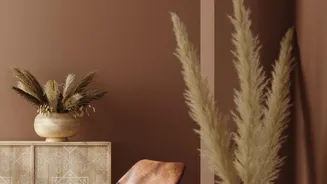
The foundation of an organic-inspired space is its colour scheme. Move away from harsh, sterile whites and instead choose a palette inspired by the natural world. Think of the soft, muted tones of sand, clay, stone, and forest moss. Colours like warm
beige, taupe, sage green, and even gentle terracotta can make a small room feel cozy and grounded without making it feel heavy. Using lighter earth tones on the walls and ceiling can create a warm, inviting space that doesn't feel cramped. These shades are inherently calming and provide a perfect backdrop for other natural elements.
Prioritise Natural Materials
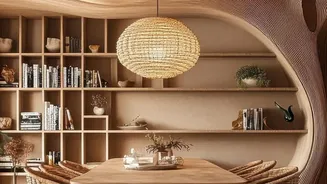
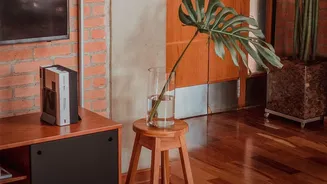
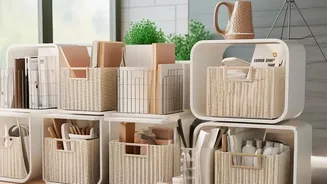
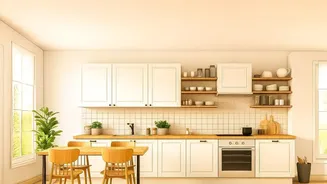
Bringing the outdoors in is central to organic design. This means incorporating materials that are authentic and have a tangible connection to nature. Think wood, stone, rattan, bamboo, and natural fabrics like linen, cotton, and wool. In a small space, you can introduce these through key furniture pieces like a wooden coffee table or through smaller decor items. Consider floating wooden shelves for storage that doesn't take up floor space, woven baskets for decluttering, or a jute rug to add texture underfoot. These materials add warmth and a tactile quality that synthetic alternatives lack.
Welcome Biophilic Elements
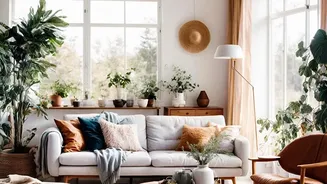
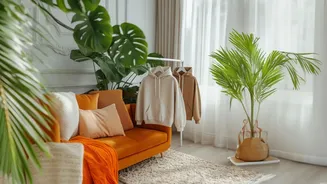
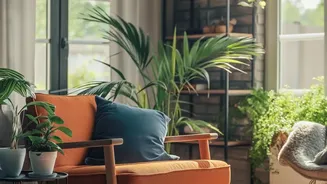
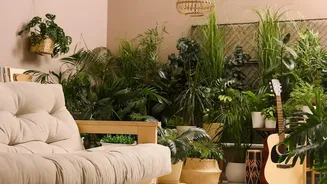
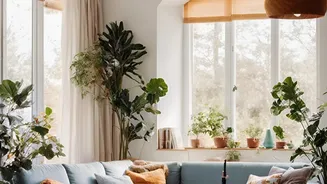
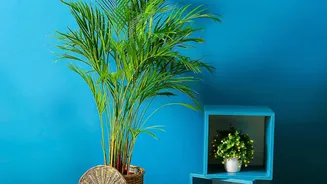
Biophilic design, which focuses on connecting people with nature, is a core component of the organic aesthetic. The most direct way to achieve this is by incorporating indoor plants. Greenery not only adds a vibrant splash of living colour but also helps purify the air and can reduce stress. In a small space, you don't need a jungle. A few strategically placed plants—a trailing vine on a bookshelf, a tall snake plant in a corner, or a collection of small succulents on a windowsill—can make a huge difference, creating focal points and breathing life into the room.
Choose Curved, Organic Furniture
Nature rarely uses perfectly straight lines and sharp corners, and your furniture shouldn't have to either. In a small, boxy room, furniture with soft curves and organic shapes can work wonders. A round coffee table, a sofa with a curved back, or a sculptural accent chair can soften the harsh lines of the room and create a more natural, gentle flow. This helps guide the eye through the space, making it feel more dynamic and less confined. These pieces disrupt the rigidity of a small apartment, making it feel more welcoming and unique.
Layer Textures for Depth and Warmth
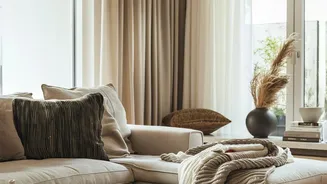
In a small space where a minimalist approach is often best, texture becomes a powerful tool for adding interest without creating clutter. Layering different natural textures creates a sense of depth and comfort. Imagine a smooth wooden table next to a rough-hewn ceramic vase, a soft wool throw draped over a linen sofa, and a woven rug on the floor. This interplay of textures keeps the eye moving and makes a neutral, organic palette feel rich and sophisticated rather than bland.
Maximise Natural Light
Light is the ultimate natural element, and maximising its presence is crucial in any small space. Keep window treatments minimal and airy—think light linen curtains instead of heavy drapes. Use mirrors strategically to bounce light around the room, making it feel brighter and more expansive. Using reflective surfaces and glass elements can also enhance natural illumination. A well-lit space feels more open, inviting, and connected to the outdoors, which is the essence of organic design.