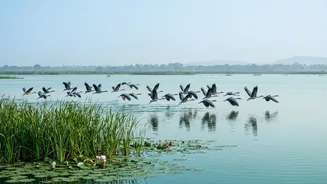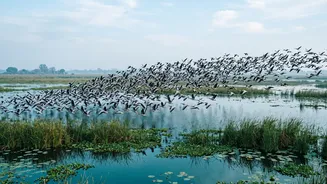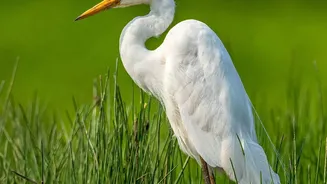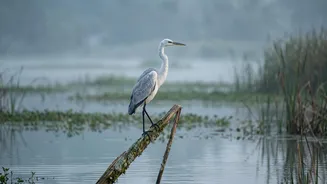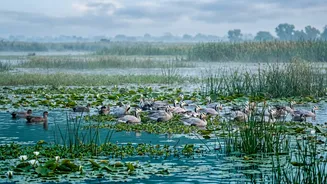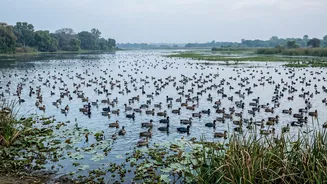






Every year, as winter blankets the northern hemisphere in ice and snow, India’s skies and wetlands come alive with the arrival of millions of avian visitors. These are nature's ultimate endurance athletes, embarking on epic journeys.
An Incredible Journey Across Continents
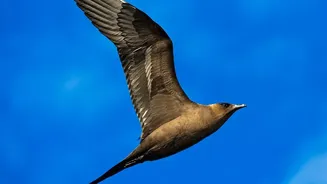
The migration of birds
to India is one of nature's most awe-inspiring spectacles. To escape the brutal cold and scarcity of food in their breeding grounds, hundreds of species travel thousands of kilometres along ancient, invisible highways in the sky known as flyways. India is a crucial destination along the Central Asian Flyway, a vast route connecting Eurasia with the Indian Ocean. This makes the country a vital pit stop and wintering ground for birds from as far as Siberia, Mongolia, Kazakhstan, and Europe. These journeys are fraught with peril, from natural predators and harsh weather to a host of human-made threats. Yet, guided by instinct, the birds navigate across deserts, oceans, and the world's highest mountain ranges to reach the relative warmth and abundance of the Indian subcontinent.
Star Visitors on the Wing
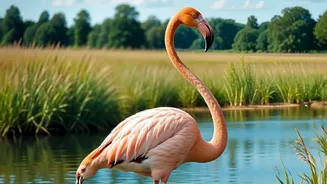
Among the most remarkable visitors is the Bar-headed Goose. These birds are famous for undertaking one of the most arduous migrations, flying from their breeding grounds in Mongolia and the Tibetan plateau across the Himalayas. Once thought to fly over the highest peaks like Mount Everest, satellite tracking has shown they more cleverly navigate through lower passes, but still reach breathtaking altitudes of over 7,000 metres where oxygen is scarce. Another celebrated traveler is the Amur Falcon, a small raptor that journeys from Siberia and northern China to southern Africa. Northeast India, especially Nagaland and Manipur, serves as a critical stopover site where millions of these falcons gather to rest and feed before undertaking a non-stop, multi-day flight across the Indian Ocean. Other key species include the elegant Siberian Cranes, Greater Flamingos that throng the Rann of Kutch, and countless ducks and waders that fill India's wetlands.
India's Five-Star Welcome
So why India? The country’s diverse ecosystems provide a perfect winter sanctuary. Its extensive network of wetlands—from freshwater lakes and marshes to coastal lagoons—offers rich feeding grounds teeming with fish, insects, and aquatic vegetation. Places like Keoladeo National Park in Rajasthan (a UNESCO World Heritage Site), Chilika Lake in Odisha (Asia's largest brackish water lagoon), and Sultanpur National Park in Haryana become bustling avian metropolises. Keoladeo alone hosts over 370 bird species, with flocks arriving from Siberia and Central Asia each winter. Chilika becomes a temporary home for birds from the Caspian Sea and Lake Baikal. These wetlands are not just service stations; they are essential for the birds' survival, allowing them to rest, feed, and build up energy for their long journey back home.
An Uncertain Future and Shared Responsibility
Despite their resilience, the future of these migratory birds is increasingly uncertain. Their populations are declining due to a range of threats. Habitat loss and degradation of wetlands are the most significant challenges. Pollution, including light pollution that disorients night-flying birds, illegal hunting, and the impacts of climate change further endanger their journeys. The changing climate can alter their migration timing and affect food availability at crucial stopover sites. Conservation efforts are underway, with India being a signatory to the Convention on Migratory Species and having a National Action Plan to protect these birds along the Central Asian Flyway. However, protecting these global travelers requires a coordinated effort. The health of India's wetlands is directly linked to the survival of species that connect us to the distant corners of the planet.