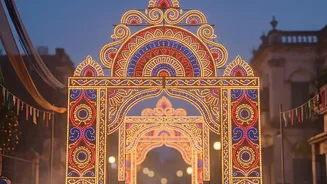






Diwali, the festival of lights, fills our homes with joy, colour, and a radiant glow. But behind the beauty lies a growing concern: the mountain of waste left behind. Embracing sustainable decor is not just a trend; it's a meaningful choice.
The Scale of Festive Waste
Each year,
major Indian cities report a significant surge in waste during the Diwali season, sometimes by as much as 30%. This includes everything from plastic packaging and single-use decorations to discarded lighting and floral waste. In some cities, the additional garbage has been measured in thousands of tonnes. Much of this waste, particularly plastics and synthetic materials from decorations, is non-biodegradable, contributing to overflowing landfills and environmental pollution long after the festivities end. By making conscious choices in how we decorate, we can directly address this challenge without dimming the festive spirit.
Embrace Traditional Earthen Diyas
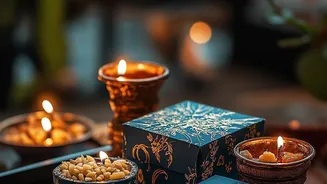
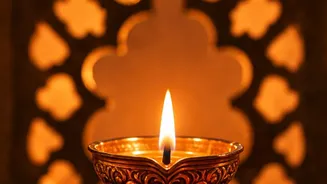
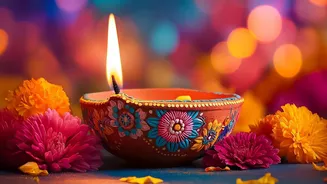
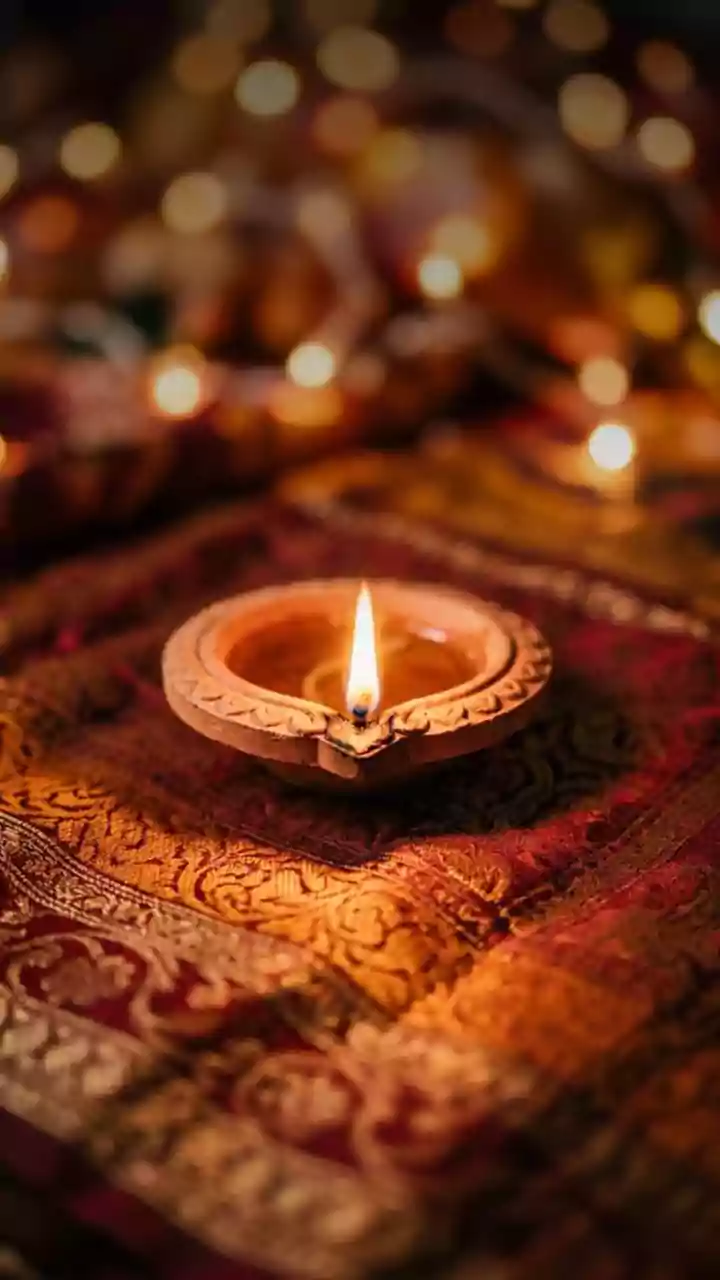
The quintessential symbol of Diwali, the humble clay diya, is a perfect example of sustainable tradition. Unlike their plastic or electric counterparts that often break and are discarded, terracotta diyas are biodegradable and can be reused for years. Opt for unpainted diyas from local potters to support community artisans and avoid chemical paints. Paired with plant-based oils like mustard or coconut oil and cotton wicks, they offer a warm, natural light and leave behind no toxic residue, making them a beautiful and earth-friendly choice.
Choose Natural and Biodegradable Rangoli
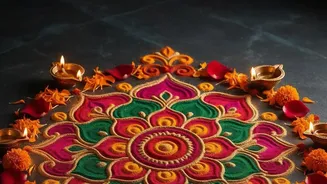
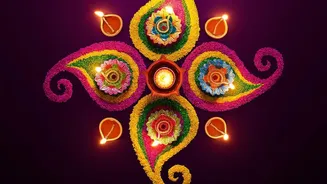
Vibrant rangoli at the doorstep is a cherished tradition, but synthetic chemical-based colours can harm the soil and water. A return to traditional methods is both beautiful and eco-friendly. Use rice flour for white, turmeric for yellow, and kumkum for red. You can also create stunning designs with colourful flower petals, such as marigolds and roses, or even coloured lentils and pulses. These natural materials are completely safe, look richer, and can be easily composted or swept into the garden after the festival.
Opt for Reusable and Upcycled Decor
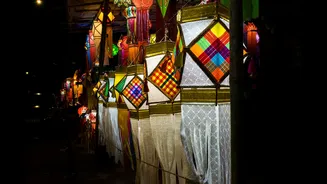
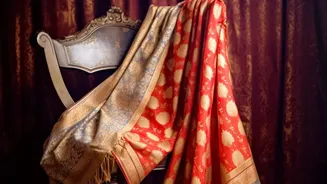
Instead of single_use plastic streamers and disposable lanterns, invest in decorations that last. Fabric buntings, reusable cloth torans (door hangings), and decor made from jute, bamboo, or recycled wood can be stored and used for many Diwalis to come. This approach not only reduces waste but also proves more economical over time. Get creative by upcycling items you already own. Old glass jars can become beautiful candle holders, vintage sarees can be transformed into colourful table runners or cushion covers, and newspapers can be fashioned into unique wall hangings.
Decorate with Flowers and Plants
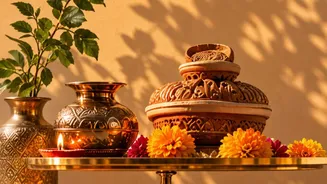
Fresh flowers are central to festive decor, and for good reason. Garlands made of marigolds and torans of mango leaves are not only traditional but also fully biodegradable. While they are temporary, they can be composted easily, returning to the earth. For a longer_lasting green touch, bring indoor plants into your decor scheme. Potted plants like peace lilies, snake plants, and areca palms not only beautify your space but also act as natural air purifiers, improving indoor air quality during a time when it is often compromised.