








Why Probiotics This Monsoon?
The rainy season, while refreshing, is often associated with a spike in infections and a general feeling of sluggishness. Our digestive system can become weaker, making us more susceptible to common ailments. This is where probiotics, often called 'good
bacteria', come in. These beneficial microorganisms help maintain a healthy balance in your gut, which is crucial for strong digestion and a robust immune system. Consuming probiotic-rich foods and drinks during the monsoon can help your body fight off harmful pathogens, improve nutrient absorption, and reduce the risk of digestive issues like bloating and diarrhoea. It’s a natural way to fortify your body’s defences from within, making you more resilient throughout the season.
The Fermentation Station: What You Need
Setting up your home-brewing corner is simpler than you think. You don't need fancy, expensive equipment. The most important items are large, wide-mouthed glass jars, as glass does not react with the acidic nature of the ferments. You will also need a clean, breathable cloth cover (like muslin or a clean tea towel) and rubber bands to secure it. This allows air to circulate while keeping dust and insects out. Strict hygiene is non-negotiable. Always start with thoroughly cleaned and sanitised hands, jars, and utensils to prevent contamination from unwanted bacteria or mould. Filtered or boiled and cooled water is recommended, as chlorine in tap water can harm the delicate cultures.
Your First Brew: Zesty Kombucha
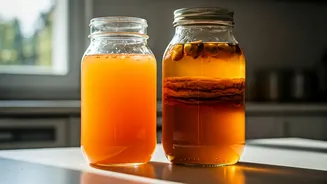
Kombucha is a fizzy, fermented tea with a unique sweet-tart taste. To make it, you need a SCOBY (Symbiotic Culture of Bacteria and Yeast), which looks like a rubbery disc. You can get a SCOBY from a fellow brewer or buy one online. The process involves brewing a batch of sweet black or green tea, letting it cool completely, and then adding the SCOBY along with some starter liquid (kombucha from a previous batch). This mixture is left to ferment in a glass jar, covered with a cloth, for about 7 to 14 days. The longer it ferments, the less sweet and more vinegary it becomes. Once it reaches a taste you like, it's ready for a second fermentation with fruits or spices to add flavour and carbonation.
The Gentle Bubble: Water Kefir
If you prefer a lighter, dairy-free option, water kefir is a fantastic choice. It is made using water kefir 'grains'—small, gelatinous structures of bacteria and yeast. These grains are added to sugar water (using raw or cane sugar is common) and left to ferment for 24 to 48 hours. Unlike kombucha, it doesn't require tea. The result is a mildly sweet, slightly fizzy beverage. You can also ferment coconut water with these grains for a different flavour profile. Once the fermentation is done, you simply strain out the grains, which can be reused immediately for the next batch, and enjoy the refreshing drink.
The Desi Classic: Gajar ki Kanji
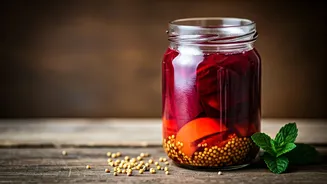
For a truly Indian probiotic, look no further than Gajar ki Kanji. This traditional North Indian drink is especially popular in winter and spring but is a wonderful brew for the monsoon, too. It’s made by fermenting carrots (traditionally black carrots, but regular or beetroots work well) in water with salt and ground mustard seeds. The ingredients are placed in a glass or ceramic jar and left in a sunny spot for a few days to ferment. The mustard seeds are key, as they kickstart the fermentation and give the kanji its signature pungent, tangy flavour. The result is a vibrant, savoury drink that aids digestion and is packed with antioxidants.
A Note on Brewing Safely
Home brewing is a safe and rewarding hobby, but it's important to be mindful. The primary rule is cleanliness to prevent harmful mould or bacteria from growing. Use your senses: if a brew develops fuzzy, colourful mould (not to be confused with a new SCOBY layer) or smells unpleasantly 'off', it's best to discard it and start again. Make sure your fizzy drinks, especially kombucha in its second fermentation, are stored in pressure-safe bottles and 'burped' regularly to release excess gas and prevent explosions. Always follow reliable recipes and trust your judgement.