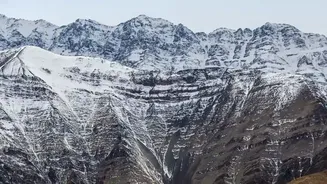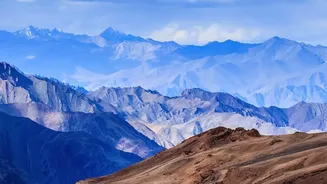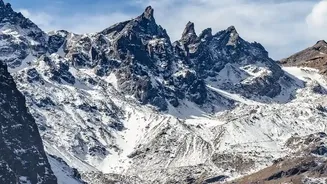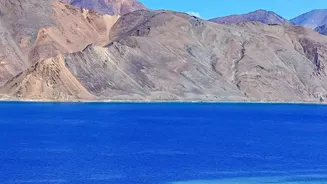



Acclimatization Is Non-Negotiable
The single biggest risk in Spiti is not the roads, but the altitude. Acute Mountain Sickness (AMS) can affect anyone, regardless of age or fitness level, typically above 2,500 metres. Symptoms include persistent headaches, nausea, dizziness, and fatigue.
The golden rule is to ascend gradually. If travelling from Shimla, plan an overnight stay in a mid-altitude town like Kalpa or Nako before proceeding to Kaza (around 3,800 metres). This allows your body to adjust. Avoid rushing, stay extremely hydrated, and avoid alcohol for the first few days. If symptoms appear, do not ascend further. Rest, and if they worsen, descending is the only cure. Some travellers consult a doctor about taking Acetazolamide (Diamox) as a preventive measure, but this should only be done under medical advice.
Your Vehicle Is Your Lifeline
The roads in Spiti are treacherous and demanding. A thorough vehicle check is not just recommended; it's critical for safety. Before you start, ensure your car's brakes, engine oil, coolant, and electrical systems are in top condition. Tyres, including the spare, must have adequate tread and be properly inflated. A vehicle with high ground clearance is highly advisable. Your toolkit should contain more than the basics: a reliable jack, a wheel spanner, a puncture repair kit, an air inflator, jumper cables, and a tow rope are essentials. Given the long, isolated stretches, carrying extra engine oil and coolant is also a wise precaution. Never begin a day's drive without a full tank of fuel, as pumps are few and far between.
Navigate Roads with Caution and Respect
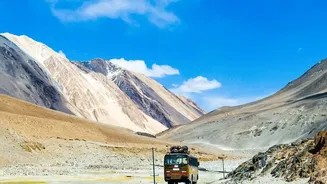
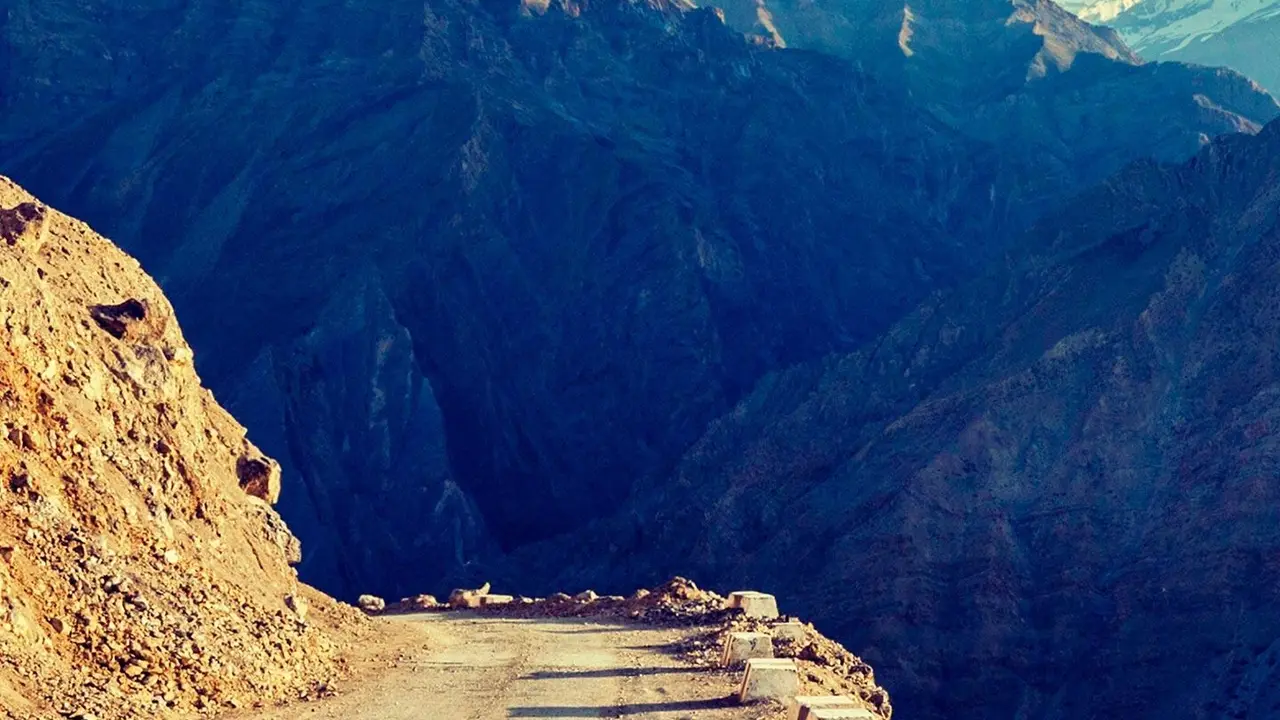
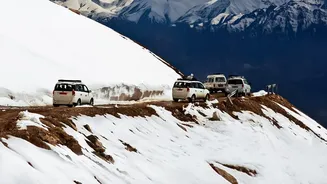
Autumn in Spiti means post-monsoon road damage and the looming threat of winter. While the Shimla-Kaza route is generally more stable and stays open longer, the Manali-Kaza route via Kunzum Pass becomes unpredictable from early October. Snowfall can lead to sudden closures, and black ice, especially in the mornings and evenings, is a serious hazard. Always start your day early to maximize daylight and avoid driving after dark at all costs. The roads are narrow with frequent blind turns and steep drop-offs. Adhere to a slow, cautious speed and always be prepared to yield. Before attempting high passes like Kunzum, check the latest road status with locals or authorities in Kaza.
Pack for Three Seasons in One Day
The weather in Spiti can change dramatically within hours. Layering is the key to comfort and safety. Your packing list must include thermal base layers, a fleece mid-layer, and a windproof and waterproof outer jacket. Temperatures can be pleasant in the afternoon sun but plummet below freezing as soon as the sun sets. Essentials include multiple pairs of woolen socks, waterproof trekking shoes, warm gloves, and a beanie or balaclava to protect against the biting wind. Sunglasses with UV protection are non-negotiable due to the harsh sun at high altitudes, as are sunscreen (SPF 50+) and a good lip balm to combat the dry, cold air.
Health, Communication, and Emergency Kits
Medical facilities in Spiti are basic and scarce. Pack a comprehensive first-aid kit with medicines for headache, fever, stomach issues, pain relief, and any personal prescriptions. Include antiseptic wipes, bandages, and ORS sachets. Mobile connectivity is extremely limited. BSNL postpaid connections offer the best, albeit patchy, coverage, primarily in towns like Kaza and Tabo. Do not rely on your phone; download offline maps and inform your family of your detailed itinerary beforehand. It's also wise to carry enough cash for your entire trip, as ATMs are often out of service. A high-capacity power bank is essential to keep your devices charged when electricity is unreliable.