
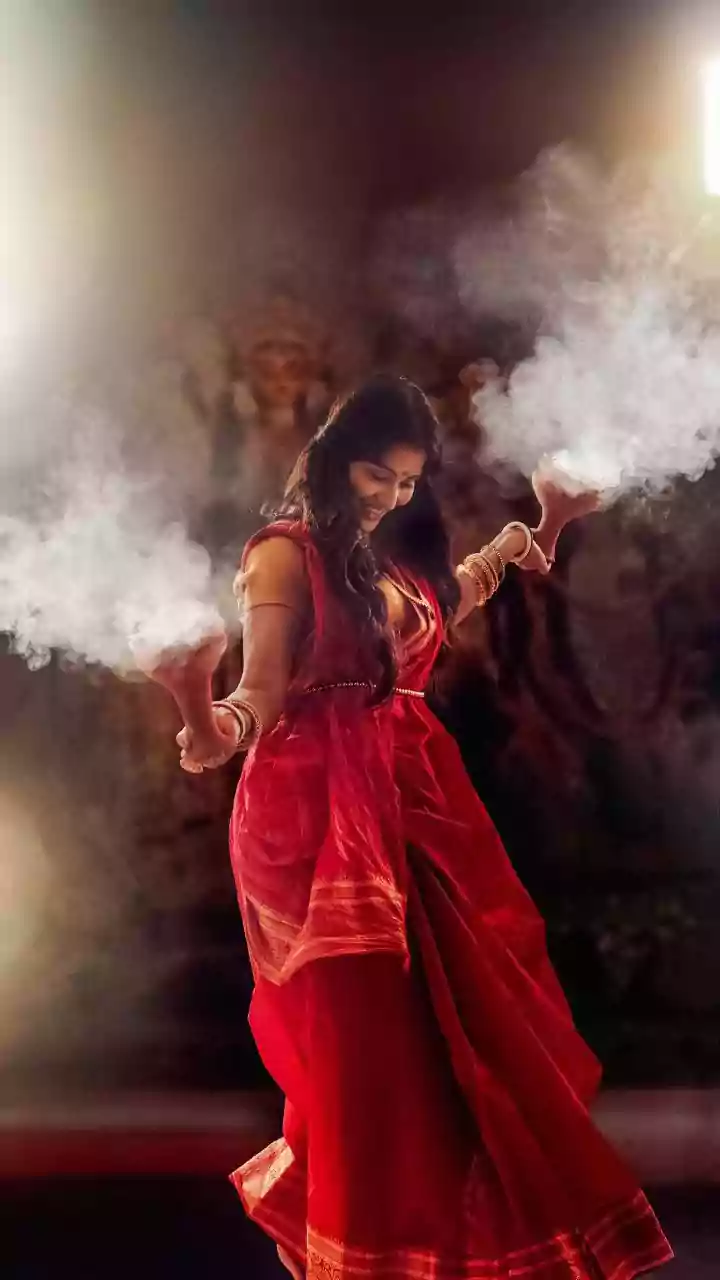

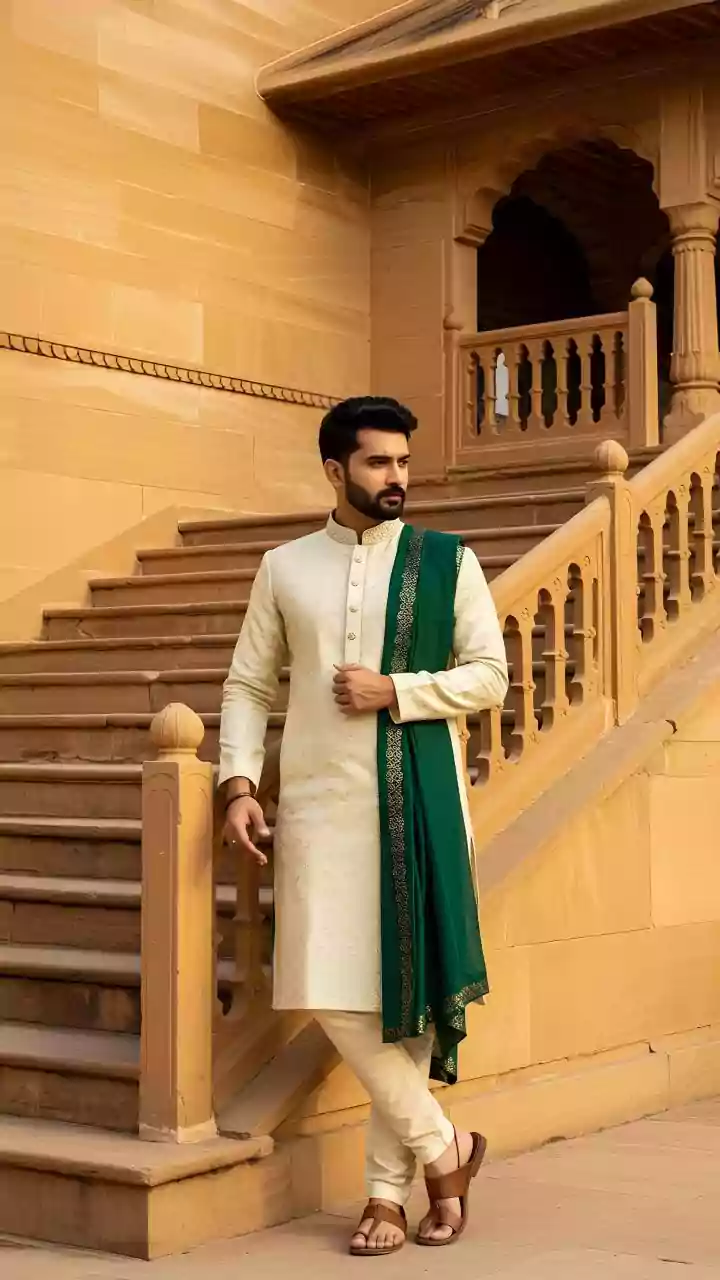
There was a time when heavy, intricate Indian necklaces were reserved for silk sarees and festive occasions. Now, they’re being paired with crisp white shirts and basic tees. This isn’t just a trend; it's a statement from Gen Z.
The New Style Equation
Scroll through Instagram
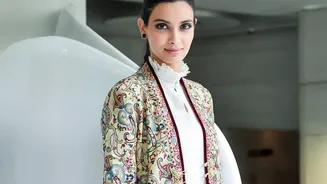
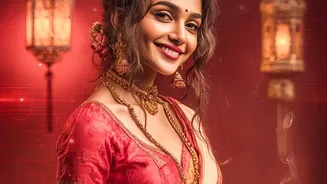
or walk through any urban Indian hub, and you'll see the shift. An oxidised silver choker, once the companion to a kurta, now sits above the collar of a denim jacket. A traditional temple necklace or a multi-layered coin 'haram' isn't waiting for a wedding; it's being worn with a simple black dress or a blazer. This high-low mix is the new uniform for a generation that refuses to compartmentalise its identity. They are taking pieces that once felt costume-like or were locked away for special events and making them part of their daily style language. The 'rules' that dictated 'ethnic' and 'western' wardrobes are being completely rewritten. The jhumka hasn't changed, but the outfit around it has.
More Than an Accessory
This movement is about more than just aesthetics; it's a quiet act of cultural reclamation. For Gen Z, heritage isn't a relic to be preserved in a museum or a velvet box; it's a living, breathing part of their identity that deserves to be seen every day. By pairing a piece of their grandmother's jewellery with a modern outfit, they are making a powerful statement: 'My culture is not a costume'. It’s a way of staying connected to their roots while navigating a globalised world. This generation is moving away from the idea that one must choose between being modern and being Indian. Instead, they are effortlessly blending both, creating a 'glocal' wardrobe that feels personal and authentic.
A Push for Conscious Choices
The trend also aligns perfectly with Gen Z's growing emphasis on sustainability. Instead of buying into the fast-fashion cycle of cheap, disposable accessories, many are looking within their own family closets. Wearing an inherited piece is the ultimate form of sustainable fashion. It comes with a story, a sense of history, and zero production footprint. When they do buy new, there's a growing preference for supporting local artisans and small, homegrown brands over mass-produced items. This conscious consumerism reflects a deeper desire for fashion that has meaning and longevity, where quality and craftsmanship are valued over fleeting trends.
Redefining 'Festive' and 'Formal'
For decades, Indian jewellery was categorised by occasion. There was bridal jewellery, festive jewellery, and then the minimal pieces for daily wear. Gen Z has dismantled these categories. A kundan choker isn't just for a lehenga anymore; it can add a surprising edge to a pantsuit. Small temple-style jhumkas, once for a simple kurta, are now perfectly at home with a casual top and jeans for a day at college. This approach democratises heritage jewellery, making it more accessible and wearable. The idea is no longer to 'save' the good pieces, but to enjoy them as part of one's personal style, no matter the occasion. For this generation, self-expression is the occasion.
The End of Fashion Gatekeeping
Ultimately, this shift signifies a newfound confidence. Indian Gen Z is no longer waiting for Western validation to deem its culture 'cool'. Through social media, they are creating and amplifying their own trends, drawing inspiration from their unique context. They are wearing their identity proudly, finding beauty in the fusion of different worlds. It's a style that is unapologetically Indian and simultaneously global. By pairing a heritage necklace with a basic Western staple, they are saying that their identity isn't something to be toned down or translated; it is the statement itself.