


Decoding the Front of the Packet
Before you even turn the packet over, you'll find crucial information. The front displays the plant's common name, such as 'Tomato' or 'Marigold', and, just as importantly, its specific variety, like 'Brandywine' or 'French Brocade'. This variety name is key,
as it tells you the specific characteristics to expect, from flavour and size to colour and growth habit. You'll also likely find the plant's botanical name, which helps eliminate any confusion between different plants with similar common names. Many packets will also indicate if the seeds are 'heirloom' (older varieties passed down through generations) or 'hybrid' (a cross between two distinct parent plants). Other important call-outs might include 'USDA Organic' certification, ensuring the seeds were produced without synthetic pesticides or fertilizers, and key features like 'Good for Containers' or 'Attracts Pollinators'.
The Planting Blueprint: When, Where, and How
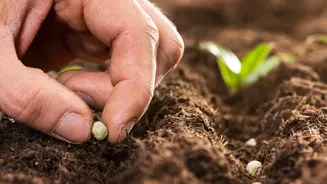
The back of the packet holds the core instructions for getting your seeds started. Look for terms like 'Sow Indoors' or 'Direct Sow'. 'Sow Indoors' means you should start the seeds inside a number of weeks before the last expected frost in your area. This gives plants with longer growing seasons a necessary head start. 'Direct Sow' means the seeds should be planted directly into the garden soil after the danger of frost has passed. The packet provides a critical planting calendar based on your region's climate. You'll also find instructions for 'Sowing Depth' and 'Spacing'. Planting seeds at the correct depth is vital for germination. A general rule is to plant a seed about two to three times as deep as it is wide. Spacing instructions tell you how far apart to plant seeds to prevent overcrowding, ensuring each plant has enough access to sunlight, water, and nutrients to thrive.
Your Garden's Timetable
Two of the most important data points for planning are 'Days to Germination' and 'Days to Maturity'. 'Days to Germination' tells you how long it will take for the first sprouts to emerge from the soil. This helps you know when to expect new life and when you might need to troubleshoot if nothing appears. 'Days to Maturity' (or DTM) indicates the time from either planting the seed or transplanting the seedling into the garden until it produces a harvestable crop. This number is essential for garden planning. It helps you determine if a particular variety will have enough time to mature in your growing season. For succession planting—the practice of planting new crops as earlier ones are harvested—knowing the DTM allows you to schedule a continuous harvest throughout the season.
Creating the Perfect Environment
Every plant has its preferences, and the seed packet spells them out clearly. You'll find sunlight requirements indicated by icons or text like 'Full Sun', 'Partial Sun/Shade', or 'Shade'. Full sun typically means at least six hours of direct sunlight per day, which most vegetables require for good flavour and yield. Partial sun or shade usually means about four to six hours of light, preferably gentler morning sun. The packet may also offer guidance on soil and water needs. While most provide general advice, this information helps you select the right spot in your garden for each plant. Taller plants should be placed where they won't shade out shorter ones, a detail often noted as 'Plant Height' on the packet. Proper placement based on these environmental needs is fundamental to a plant's long-term health.
Special Instructions and Terms
Some seed packets come with additional tips for success. You may see a note about 'Thinning', which is the process of removing extra seedlings to give the remaining ones enough space to grow properly. Other packets might mention special seed treatments. 'Scarification' means the seed coat needs to be scratched or nicked before planting, while 'stratification' means the seed requires a period of cold temperatures to germinate. Some packets will also note if a variety is resistant to common pests or diseases, making it a good choice for beginner gardeners. Finally, always check the 'Packed For' date. While many seeds last for years, their germination rate can decrease over time. Using seeds within a year or two of their packing date gives you the best chance for a full and healthy garden.