






What Are the Updated Rules?
The PM POSHAN scheme, formerly the Mid-Day Meal Scheme, is a cornerstone of India's efforts against child malnutrition and for better school attendance. Recent guidelines have sought to refine the programme, emphasizing nutritional standards: primary
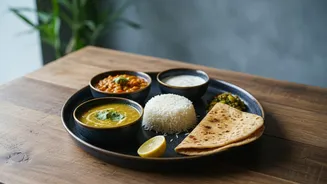
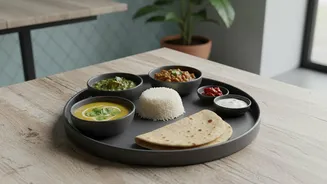
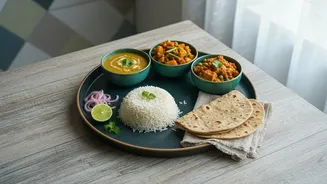
students should receive 450 calories and 12 grams of protein, while upper primary students get 700 calories and 20 grams of protein daily. The rules specify precise quantities of cereals, pulses, vegetables, and oils. A key push is also towards using locally sourced ingredients, fortified food grains, and promoting dietary diversity through additions like millets and establishing School Nutrition Gardens. This isn't just about feeding children; it's about ensuring they receive balanced, safe, and nutritious meals that support their growth and ability to learn.
Why the Focus on Quality Checks?
While updated ingredient lists are a positive step, their real-world impact depends entirely on implementation. This is where public concern is growing. Reports of substandard ingredients, poor hygiene, and nutritional failures have dogged the scheme for years. For instance, in June 2026, it was reported that nearly 24% of meal samples tested in Assam failed to meet prescribed nutritional standards, with officials linking the issue to poor quality food grains. Such incidents erode trust and raise an urgent question: if the rules on paper are improving, are the mechanisms to enforce them strong enough? The conversation has moved from 'what' children are supposed to eat to 'how' we can guarantee the food is safe and nutritious.
How Are Meals Meant to Be Monitored?
A multi-layered monitoring system is designed to ensure quality. At the school level, guidelines mandate that at least one teacher and two or three other adults taste the meal before it's served to children. School Management Committees (SMCs), which include parents, are tasked with overseeing meal quality and kitchen hygiene. There are also directives for using AGMARK-certified ingredients, maintaining clean kitchens, and ensuring cooks practice good hygiene. Beyond the school, there are district and sub-divisional officials responsible for oversight, and states are encouraged to conduct social audits. Some states have even introduced toll-free numbers for grievances and use digital portals for real-time tracking.
The Gaps Between Policy and Plate
Despite these guidelines, significant challenges persist. The Comptroller and Auditor General (CAG) has pointed to non-functional quality control committees and poor record-keeping in audits. Experts highlight that on-the-ground monitoring is often weak. Teachers report being burdened with administrative duties related to the meals, taking time away from education. Inadequate infrastructure, such as a lack of proper kitchens or storage facilities, also compromises food safety. Furthermore, delayed funds from the government can force schools to cut corners or use personal funds, directly impacting meal quality. These systemic issues create a gap between the scheme's goals and the reality of the meals served daily.
What's the Path Forward?
Strengthening the PM POSHAN scheme requires more than just rules; it demands robust enforcement and accountability. Experts recommend several key steps. First, there's a need for more frequent and independent food sample testing by accredited labs. Second, empowering local communities and parents through active and transparent social audits can create a powerful, community-led monitoring system. Third, improving infrastructure by ensuring every school has a proper kitchen-cum-store is fundamental for hygiene. Finally, addressing funding delays and ensuring the per-child cost allocation is realistic are critical to prevent quality compromises. Without consistent oversight and adequate resources, even the best ingredient policies will fail to deliver the intended nutritional benefits to India's children.