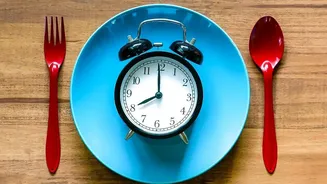







Meet Your Body’s Internal Clock
Deep within us operates a master timekeeper known as our circadian rhythm. This 24-hour cycle governs everything from sleep and hormone release to body temperature and metabolism. A key function it controls is how our body handles glucose (sugar). This emerging
field of science, called chrononutrition, studies the link between our eating patterns and these internal clocks. The core finding is simple yet profound: our body is primed to process food most efficiently during the day and is less effective at night. When we eat out of sync with this natural rhythm—for example, by having large, late-night dinners—we can disrupt our metabolism and make it harder for our body to manage blood sugar effectively.
The Morning Advantage
Research consistently shows that our bodies are most sensitive to insulin in the morning. Insulin is the hormone responsible for moving glucose from the bloodstream into our cells to be used for energy. Higher insulin sensitivity means your body needs to produce less insulin to do its job effectively. A study from Northwestern University found that people who started eating before 8:30 a.m. had lower blood sugar levels and less insulin resistance. This suggests that consuming a significant portion of your daily calories earlier in the day—a practice sometimes called 'front-loading'—aligns with our metabolic prime time. Eating the same meal in the morning versus the evening can result in a much smaller blood sugar spike, demonstrating how timing can dramatically alter your body's response.
The Challenge of Late-Night Meals
As the day progresses, our insulin sensitivity naturally declines, reaching its lowest point in the evening and overnight. Simultaneously, the body begins producing melatonin to prepare for sleep, and some studies suggest high melatonin levels can further impair our ability to clear glucose from the blood. This creates a metabolic double-whammy for late-night eaters. Consuming a large meal, especially one high in carbohydrates, close to bedtime can lead to higher and more prolonged blood sugar spikes overnight. One study showed an 18% higher blood sugar spike after a 10 p.m. dinner compared to the exact same meal eaten at 6 p.m. Over time, this habit can contribute to higher fasting blood sugar levels in the morning and may increase the risk for metabolic conditions like prediabetes and type 2 diabetes.
Putting It Into Practice
So, how can you use this information to your advantage? It’s not about rigid rules but rather a gentle shift in patterns. Aim to consume the majority of your calories during the first half of your day, when your metabolism is most active. Make breakfast and lunch your most substantial meals, focusing on a balance of protein, healthy fats, and fibre to promote stable energy. Try to make dinner a lighter meal and finish eating at least two to three hours before you go to sleep. This gives your body ample time to digest and manage blood sugar before it shifts into its overnight rest-and-repair mode. Even small changes, like avoiding carb-heavy snacks before bed, can make a meaningful difference. By aligning your eating schedule with your body's natural rhythms, you can provide powerful support to your metabolic health.