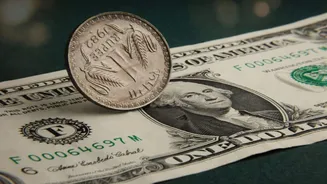









The Basics of Currency Strength
First, what does a 'weak' currency even mean? Think of it as a simple exchange. A currency's value is determined by how much of another currency it can buy. When the Indian rupee (INR) weakens, it means you need more rupees to purchase one unit of a foreign
currency, like the US dollar (USD). For example, if the exchange rate moves from ₹85 to ₹90 per dollar, the rupee has weakened. Your ₹90 now buys what just ₹85 could before. This rate is set by the massive, constantly moving forces of supply and demand in the global foreign exchange market. Factors like interest rates, inflation, trade balances, and investor confidence all play a role in whether a currency strengthens or weakens.
Why Your Foreign Goods Cost More
The link between a weak rupee and expensive imports is direct. Imagine an Indian company importing laptops from a US supplier. The supplier expects to be paid in US dollars. If a laptop costs $1,000, the Indian importer initially needed ₹85,000 to pay for it (at an ₹85/USD rate). But if the rupee weakens to ₹90/USD, that same $1,000 laptop now requires ₹90,000. This extra ₹5,000 is a direct increase in the importer's cost. To protect their profit margins, the importer will almost always pass this additional cost on to the consumer. The result is that the laptop's sticker price in an Indian store goes up, even if its dollar price never changed.
From Gadgets to Fuel: What Gets Hit Hardest
This effect isn't just limited to high-end electronics. India is heavily dependent on imports for several crucial commodities. The most significant is crude oil, with India importing over 80% of its requirement. When the rupee falls, the cost to import oil rises, which translates directly to higher petrol and diesel prices for consumers. This also creates a domino effect, increasing transportation costs for everything from vegetables to consumer goods. Other items on the list include electronic components for smartphones and laptops, certain auto parts, machinery, chemicals, and even some edible oils and fertilisers. Essentially, any product that is either fully imported or relies heavily on imported components will feel the pinch.
Beyond Shopping: The Impact on Services
The impact of a weakening currency extends beyond physical goods. It significantly affects the cost of foreign services. For thousands of Indian students studying abroad, a weaker rupee makes education more expensive. Their tuition fees are priced in dollars, pounds, or euros, so families have to spend more rupees to cover the same amount. Similarly, international travel becomes costlier. Everything from airfare to hotel bookings and daily expenses requires more rupees for every dollar spent, shrinking your vacation budget. Even digital services billed in foreign currency, like some software subscriptions or streaming platforms, can see a price adjustment to reflect the new exchange rate.
The Other Side: A Boost for Exports
While a weak rupee hurts importers and consumers, it provides a silver lining for exporters. When the rupee depreciates, Indian goods and services become cheaper for foreign buyers. An American company buying Indian software services for $1 million would have previously paid a certain amount in their currency. With a weaker rupee, that same dollar amount now fetches more in rupee terms for the Indian IT company, boosting its revenue. This makes Indian exports, from textiles to IT services and pharmaceuticals, more competitive on the global stage, potentially leading to increased demand and supporting economic growth in those sectors.