




A Strategy of Layered Beauty
When you think of event flowers, you might picture bouquets that are stunning for a day and gone the next. But what if your floral arrangements could offer more? The core idea behind using flowers with different lifespans is to create layered, evolving
beauty. It involves building a foundation with hardy, long-lasting blooms and foliage that can be set up days in advance, and then adding delicate, show-stopping flowers just before the event begins. This isn't just about mixing and matching; it's a thoughtful approach to design that maximises visual impact, extends the life of your decor, and offers a host of other advantages.
Benefit 1: Extend the Celebration
One of the most rewarding aspects of this floral strategy is that the beauty doesn't end when the last guest leaves. The hardy foundation of your arrangements—think robust greenery, orchids, or carnations—will still look fresh long after the party is over. These can be enjoyed in your home for days, or even weeks, serving as a lovely reminder of the special occasion. You can deconstruct larger centerpieces into smaller bouquets to place around your home, extending the festive feeling and getting more value from your investment.
Benefit 2: Smarter, More Flexible Budgeting
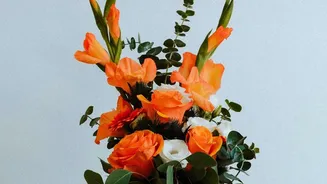
Flowers can be a significant part of any celebration budget. By using a mix of lifespans, you can allocate your funds more effectively. The foundational elements are often more budget-friendly and can be sourced in bulk. Hardy flowers like chrysanthemums and alstroemeria provide volume and structure without a hefty price tag. This allows you to save a larger portion of your budget for a few truly spectacular, delicate blooms—like peonies or dahlias—that act as the focal point. This layered approach gives you a lush, high-end look without requiring every single stem to be an expensive, premium flower.
Benefit 3: A More Sustainable Choice
In an era of increasing environmental awareness, making sustainable choices for events is more important than ever. Using long-lasting flowers reduces waste, as fewer blooms are discarded immediately after the event. Many hardy flowers and greenery can be repurposed or even composted. Furthermore, this strategy often encourages the use of local and seasonal flowers, which cuts down on the carbon footprint associated with transporting delicate, out-of-season blooms from afar. Some hosts even gift the long-lasting potted elements, like succulents or orchids, to guests as party favours, eliminating waste entirely.
Your Long-Lasting Floral Foundation
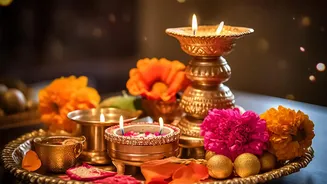
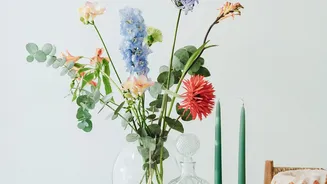
The base of your arrangement provides structure and longevity. These are the elements you can arrange a day or two before your event. Excellent choices for Indian climates and celebrations include hardy greens like eucalyptus and palm leaves. For flowers, consider carnations, which are incredibly resilient and come in countless colours. Chrysanthemums, marigolds, and orchids are also fantastic long-lasting options that are culturally significant in India. These flowers are heat-resistant and will form a beautiful, sturdy canvas for your more delicate additions.
Adding the Day-Of Dazzlers
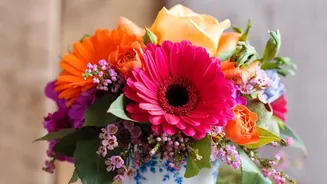
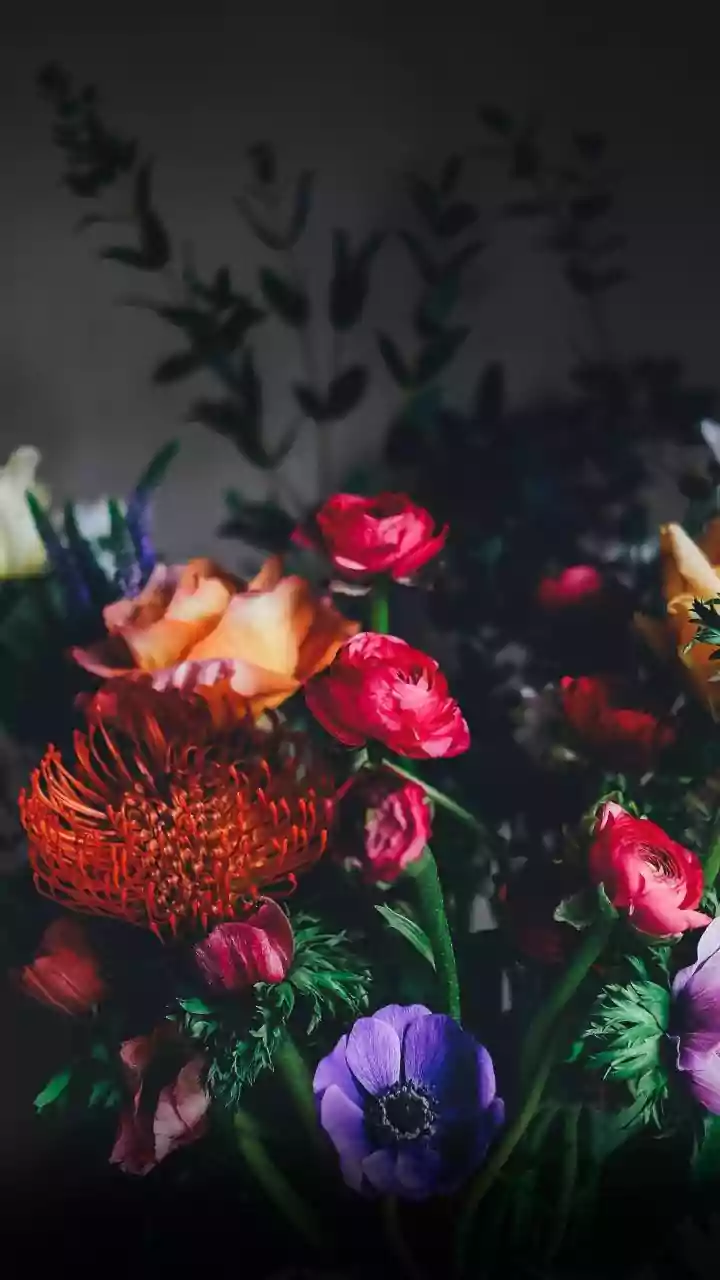
These are your 'hero' flowers—the delicate, breathtaking blooms that you add just hours before your celebration begins for maximum freshness and impact. Think of the soft, romantic petals of a rose, the intricate beauty of a jasmine garland, or the lush fullness of a peony or dahlia. While these flowers have a shorter vase life, their beauty is unparalleled and creates the 'wow' factor. Placing them strategically within your sturdy foundation ensures they are protected and showcased beautifully, making the entire arrangement look its absolute best when your guests arrive.
Putting It All Together: A Simple Timeline
To make this strategy work, a simple timeline is key. Two to three days before the event, source and prepare your long-lasting flowers and greenery. Clean your vases, trim the stems, and create your foundational arrangements. On the morning of the event, purchase or pick your delicate, short-lifespan flowers. Give them a fresh trim and insert them into the existing arrangements to fill gaps and create focal points. After the event, remove the wilted, delicate flowers and either re-arrange the remaining long-lasting blooms into smaller bouquets for your home or offer them to guests.