






The Prelude: Snana Purnima
The festival unofficially kicks off weeks before the main event with Snana Purnima, the celestial bathing ceremony of the divine trinity. On this day, Lord Jagannath, Lord Balabhadra, and Devi Subhadra are brought to a special platform, the Snana Bedi,
where they are bathed with 108 pitchers of sanctified water. For a young visitor, this is a phenomenal first glimpse into the scale and devotion of the festival. It's a photographer’s delight, capturing the unique sight of the deities in the open, and the atmosphere is electric with chanting and music. It is the only day in the year when devotees can see the deities being bathed in public.
The Grand Procession: Rath Yatra Day
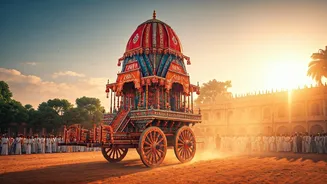
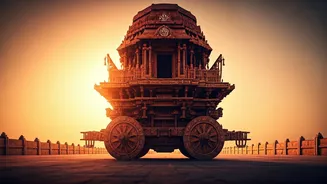
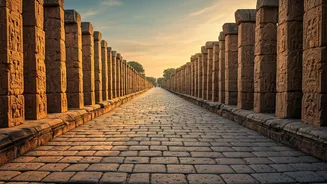
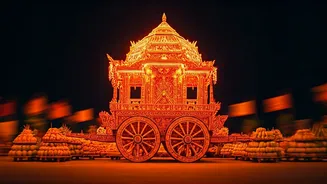
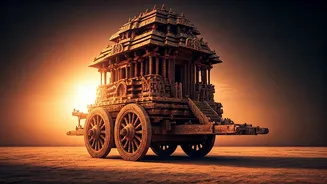
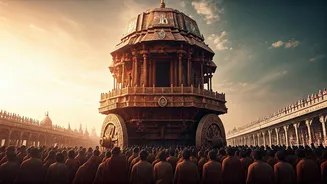
This is the main event, the day millions have been waiting for. Three colossal chariots—Nandighosa for Lord Jagannath, Taladhwaja for Lord Balabhadra, and Darpadalana for Devi Subhadra—are pulled by thousands of devotees along the Bada Danda (Grand Road) towards the Gundicha Temple. The experience is nothing short of transcendent. For youth, it's not just a religious procession; it's a powerful lesson in unity and collective energy. The sheer force of humanity pulling the ropes, the deafening sound of gongs and conches, and the vibrant sea of people create an immersive, sensory-overloaded experience you won't find anywhere else on Earth. To be part of the crowd is to feel the heartbeat of Odisha itself.
A Divine Lover’s Tiff: Hera Panchami
Five days into the Yatra, a fascinating and deeply human-like ritual takes place. Hera Panchami observes Goddess Lakshmi, who is angry at being left behind at the main temple. Her representative deity is carried in a palanquin to the Gundicha Temple to see Lord Jagannath. In a symbolic fit of anger, her servitors damage a part of Lord Jagannath's chariot before returning secretly to the main temple. This ritual offers a unique, more intimate spectacle away from the massive crowds of the main procession. It’s a chance to witness the narrative and storytelling aspect of the festival, filled with drama and emotion.
The Return Journey: Bahuda Yatra
After their nine-day sojourn at the Gundicha Temple, the deities begin their journey back to the main temple. This return procession, known as Bahuda Yatra, mirrors the energy and grandeur of the Rath Yatra but with its own unique flavour. The chariots make a symbolic stop at the Mausi Maa Temple, where the deities are offered a special rice cake called ‘Poda Pitha’. For attendees, this is another chance to witness the grand procession and participate in pulling the chariots, often with slightly smaller crowds than the first day, making it a powerful alternative for those who want a more accessible experience of the main event.
The Golden Spectacle: Suna Besha
Perhaps the most visually stunning day of the entire festival, Suna Besha occurs the day after the deities return to their chariots, which are parked in front of the main temple’s Lion Gate. The trinity is adorned with massive, solid gold ornaments, transforming them into radiant figures of divine opulence. They wear golden hands, feet, and magnificent crowns. This event draws millions of devotees who throng the Grand Road to get a glimpse of this ‘Golden Attire’. For any young person interested in culture, art, or photography, this is an unmissable event. The sight of the deities glittering under the evening sky is truly breathtaking and makes for iconic photographs.
The Sweet Finale: Niladri Bije
Niladri Bije marks the conclusion of the long festival. The deities are ceremoniously carried from their chariots back into the sanctum sanctorum of the Jagannath Temple. This final ritual is filled with poignant and charming customs. A highlight is the standoff between Lord Jagannath and Goddess Lakshmi at the temple gate, which is only resolved after the Lord offers her Rasagola. This sweet gesture of reconciliation is a beloved part of the lore and is even credited by many as the origin of the famous sweet. It’s a beautiful, story-driven end to the grand spectacle, bringing the divine narrative full circle.