





Your Breath, Your Anchor
Consciously paying attention to your breath, a practice known as breath awareness, is one of the most immediate ways to manage stress. When you feel anxious or overwhelmed, your body's 'fight or flight' response is activated, leading to shallow breathing
and a racing heart. By deliberately focusing on slow, gentle breaths, you activate the parasympathetic nervous system, which is responsible for rest and relaxation. Research shows this simple shift can lower stress hormones like cortisol, reduce blood pressure, improve focus, and even contribute to better sleep. It’s not about changing your breath, but simply noticing it, which anchors you in the present moment.
Finding a Quiet Moment
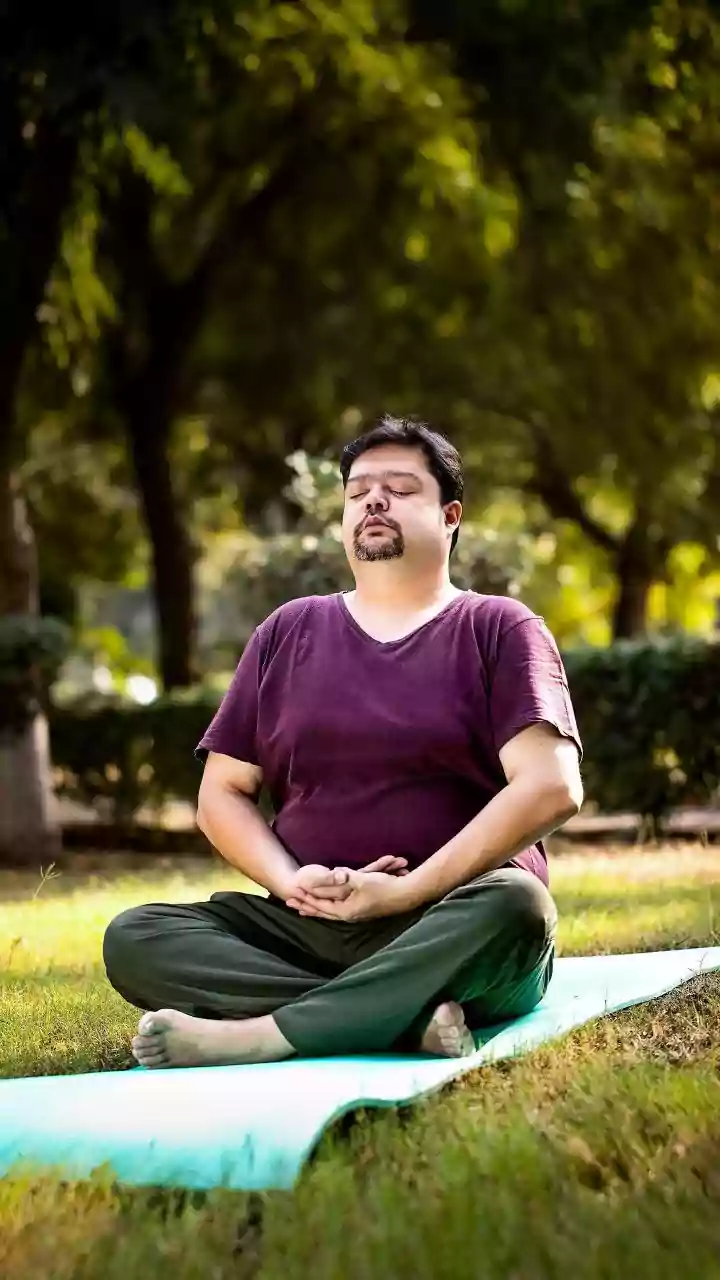
You don’t need a silent mountain top to practice. A 'quiet moment' can be found anywhere. It could be for two minutes at your desk before a meeting, in your car after parking, or while waiting for your morning chai to brew. The goal is to find a comfortable position, either sitting upright in a chair or lying down. Let your hands rest comfortably and soften your shoulders. The key is to signal to your body that it’s okay to relax for a few moments, even amidst a hectic day. Closing your eyes can help reduce distractions, but a soft, unfocused gaze works too.
Exercise 1: Just Noticing
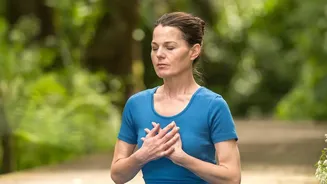
This is the foundation of all breath awareness. The only goal is to observe. Start by bringing your attention to the physical sensation of your breath without trying to control it. Feel the air entering your nostrils. Is it cool? Notice your chest or belly rising with the inhale and gently falling with the exhale. Simply follow the air's entire journey, in and out. You are not trying to force a deep breath; you are just becoming a curious student of your own natural rhythm. Stay with this for a few cycles. This act of passive observation is a powerful meditation in itself.
Exercise 2: Counting the Flow
If you find your mind wandering (which is completely normal), giving it a simple task can help it stay focused. This is where counting comes in. As you inhale, you can count 'one'. As you exhale, count 'two'. Continue up to 'ten' and then begin again at 'one'. Another popular method is 'Box Breathing', where you inhale for a count of four, hold your breath for four, exhale for four, and hold again for four. This steady, even rhythm is incredibly calming for the nervous system. The numbers are just an anchor; the focus remains on the feeling of the breath itself.
Exercise 3: The 4-7-8 Breath
A slightly more advanced but highly effective technique for relaxation and preparing for sleep is the 4-7-8 breath. Sit or lie down comfortably. Place the tip of your tongue against the ridge of tissue just behind your upper front teeth. Exhale completely through your mouth, making a gentle 'whoosh' sound. Then, close your mouth and inhale quietly through your nose for a count of four. Hold your breath for a count of seven. Finally, exhale completely through your mouth with another 'whoosh' for a count of eight. Repeat this cycle three to four times. This practice can have a significant tranquilizing effect on the body and mind.
What to Do When Your Mind Wanders
It’s not a question of 'if' your mind will wander, but 'when'. It will drift to your to-do list, a conversation you had, or what to make for dinner. This is not a failure; it is simply what minds do. The practice is not to have an empty mind, but to notice when your mind has wandered and gently guide it back. Acknowledge the thought without judgment—you might even silently say 'thinking'—and then softly redirect your focus back to the sensation of your breath. Every time you do this, you are strengthening your ability to focus and be present.