





Start Small and Simple
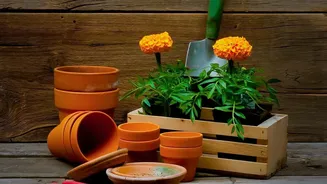
One of the biggest mistakes beginners make is trying to do too much at once. Instead of planning a massive garden, start with just three to five plants in pots. This approach makes the process manageable and allows you to learn the basics of plant care—like
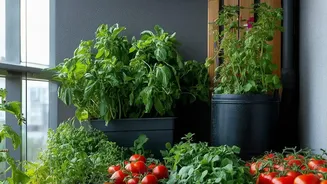
watering schedules and sunlight needs—without feeling overwhelmed. Choose plants that are known to be resilient and easy to grow. Herbs like mint and coriander, or vegetables like tomatoes and chillies, are excellent choices for Indian climates. Starting small builds confidence and makes the learning experience enjoyable rather than a chore.
Find the Perfect Spot
Before you even buy a plant, observe your space. Most vegetable and flowering plants need at least six to eight hours of direct sunlight each day to thrive. Watch the balconies, windowsills, or terrace areas in your home throughout the day to see which spots get consistent sun. An ideal location is also one that is convenient to access for watering and care. If your sunniest spot gets intense afternoon heat, you might need to provide some partial shade to protect young plants from getting scorched. Placing taller plants to the north of shorter ones ensures everyone gets a share of the light.
Understand Your Soil
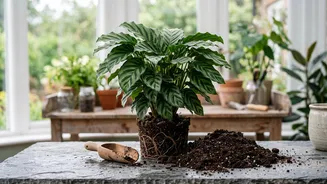
Healthy plants start with healthy soil. Soil isn't just dirt; it's the source of nutrients, air, and water for your plant's roots. For beginners using containers, it's best to avoid using heavy garden soil on its own, as it can become compacted. Instead, use a well-draining potting mix. A common recipe for success in India is an equal-parts mixture of soil, cocopeat (which retains moisture), and compost or vermicompost (which provides nutrients). This blend ensures good drainage, preventing water from logging at the roots, which is a common reason for plant failure.
Master the Art of Watering
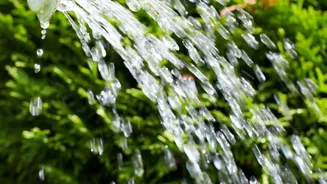
Overwatering is the most common mistake made by new gardeners. Plants don't need to be watered every day on a fixed schedule. The right time to water depends on the plant, the size of the pot, the weather, and the soil. The best way to check is the 'finger test': stick your finger about an inch into the soil. If it feels dry, it's time to water. If it's damp, wait another day. When you do water, do it thoroughly until you see excess water run out of the drainage holes at the bottom of the pot. This encourages deep root growth. It's generally best to water early in the morning or late in the evening to reduce evaporation.
Choose Beginner-Friendly Plants
Set yourself up for success by choosing plants that are known to be forgiving. For a home vegetable garden in India, some of the easiest options to start with include okra (bhindi), tomatoes, chillies, spinach (palak), and various beans. These tend to grow relatively quickly and are well-suited to the climate. If you're more interested in herbs, mint (pudina) and holy basil (tulsi) are incredibly resilient. Always read the seed packet or plant label, as it provides specific instructions on planting depth, spacing, and ideal conditions. Starting with these reliable growers will give you a rewarding first experience.