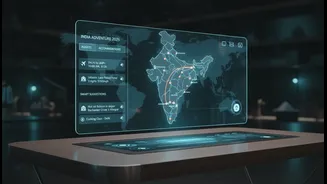









The New Digital Travel Agent
Artificial Intelligence, or AI, is no longer just a buzzword; it's becoming the new default for planning everything from a weekend getaway to an elaborate international tour. For Indian travellers, this shift is significant. Recent studies show a dramatic
uptake in AI adoption for trip planning. One report noted that while a third of Indian travellers already use AI, a staggering 68% are likely to use it for their next trip. This isn't just about asking a chatbot for flight prices. Modern travellers are using generative AI to create entire personalised itineraries, discover local activities, get dining recommendations, and even manage their budget. Think of it as a super-efficient, data-driven travel agent that’s available 24/7.
Why It's Catching On So Fast
The rapid adoption is driven by clear benefits. The primary one is saving time and reducing the stress of planning. Instead of spending hours researching, travellers can give an AI tool a few prompts—like "a family-friendly beach holiday in South India under ₹1 lakh"—and get a detailed plan in seconds. Personalisation is another huge draw. AI algorithms can analyse preferences, past behaviour, and budget to curate tailored suggestions, moving beyond generic, one-size-fits-all packages. Reports show users value this highly, with many stating AI helps them discover hidden gems and have more creative travel experiences. Furthermore, there's a high level of trust; one survey found that over half of Indian users explicitly trust AI-generated travel recommendations.
The Tools of the Modern Traveller
A new ecosystem of AI-powered travel tools is emerging, catering specifically to the Indian market. Some platforms are designed to understand the nuances of Indian travel, like visa requirements for Indian passports, pricing in rupees, and even navigating the complexities of IRCTC train schedules. Major online travel agencies like Agoda, MakeMyTrip, and Ixigo are integrating AI features to offer smarter recommendations and itinerary planning. These tools range from AI itinerary generators that create day-by-day schedules to flight price predictors and hotel recommendation engines. This integration of AI by established and new players alike signifies a fundamental shift in the travel technology landscape in India.
A Journey Without Bumps?
Despite the enthusiasm, the technology isn't perfect. A significant concern is the potential for AI "hallucinations" or providing inaccurate information, such as incorrect opening times for an attraction or outdated pricing. This means travellers still need to verify critical details. Another challenge is data privacy, as these tools collect vast amounts of personal information to provide personalised recommendations. There's also the argument that over-reliance on AI can lead to missing out on the spontaneous joy of discovery, as algorithms often favour popular, heavily documented spots over true hidden gems. While AI can handle the logistics, it can't (yet) replicate the nuanced advice of a seasoned human travel agent who understands cultural context and can manage unexpected emergencies on the ground.
The Future: Human-AI Collaboration
The rise of AI doesn't necessarily mean the end of traditional travel agents. In fact, many in the industry see the future as a hybrid model. AI can do the heavy lifting of research and creating a first draft, while human experts can refine the plan, add emotional nuance, and provide a safety net. For the traveller, AI is best viewed as a powerful co-pilot, not the pilot. It can handle the data, the logistics, and the initial discovery, but the final decisions and the human element of travel—the curiosity, the flexibility, and the personal connections—remain firmly in the hands of the traveller. This partnership between human intuition and artificial intelligence is what will likely shape the travel experiences for Indians for years to come.