



1. The Right Rainwear
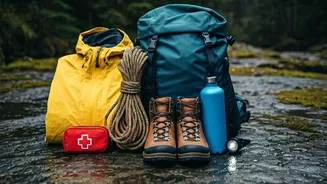
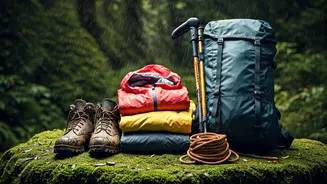
Staying dry is your top priority. A high-quality waterproof and breathable rain jacket is non-negotiable. Look for one with taped seams to ensure it's fully waterproof. For comprehensive protection, many trekkers opt for a poncho, which is a large waterproof sheet
that can cover both you and your backpack. This is a great option for easier, shorter treks. For more demanding routes, a combination of a rain jacket and waterproof rain pants offers better mobility. Regardless of your choice, this layer is your first line of defence against the persistent rain and potential hypothermia.
2. Waterproof Trekking Shoes with Superior Grip
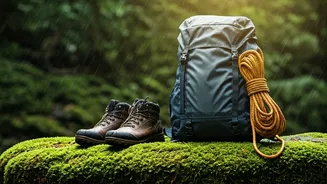
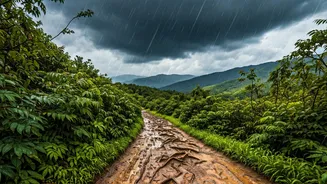
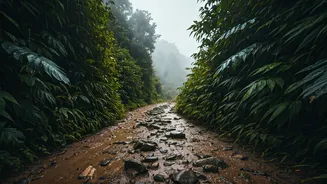
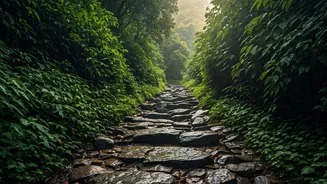
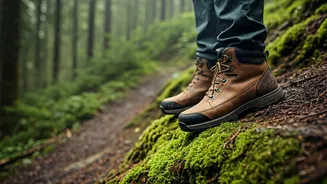
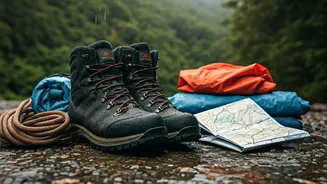
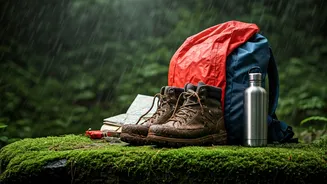
Monsoon trails are notoriously slippery, with mud, wet rocks, and moss creating treacherous surfaces. Your choice of footwear is therefore critical. Invest in a pair of waterproof trekking shoes with deep lugs or grooves on the sole for excellent traction. High-ankle boots offer added support, which can help prevent ankle twists on uneven terrain. While waterproof shoes are great for keeping feet dry initially, some trekkers in milder conditions prefer non-waterproof mesh shoes that drain quickly. Whichever you choose, ensure they are well broken-in before your trek to avoid painful blisters.
3. Backpack and Internal Waterproofing
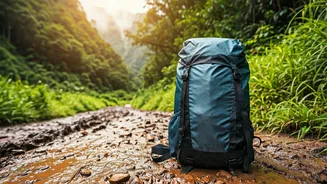
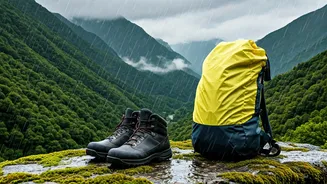
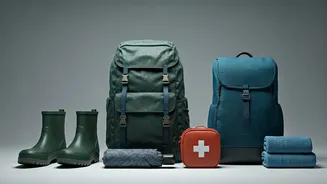
Your backpack contains all your essentials, and keeping them dry is crucial. Most modern trekking backpacks come with a built-in rain cover, but you should always double-check. If yours doesn't have one, purchase one that fits snugly. However, during hours of heavy rain, moisture can still seep through. For this reason, an internal layer of waterproofing is a game-changer. Use dry sacks or, as a budget-friendly alternative, durable plastic bags or bin liners to compartmentalise your belongings—especially clothes, electronics, and your sleeping bag. This ensures that even if your pack gets damp, your critical gear remains perfectly dry.
4. Quick-Dry Clothing Layers
When it comes to trekking clothing, one word rules: layers. More importantly, the material matters. Absolutely avoid cotton, as it absorbs moisture, takes a very long time to dry, and will leave you feeling cold and damp. Instead, opt for synthetic fabrics like polyester or nylon, or natural wool. These materials are "quick-dry" and "moisture-wicking," meaning they pull sweat and rain away from your skin to help you stay comfortable. Pack several pairs of quick-dry trek pants and t-shirts. Full-sleeved shirts and full-length pants also offer protection from insect bites and scratches.
5. Leech and Insect Protection
The damp, lush environment of a monsoon trek is a haven for leeches, especially in the Western Ghats and Himalayan foothills. While mostly harmless, they can be a significant nuisance. Leech-proof socks, which are long and made of tightly woven fabric, are highly effective. Carrying a small pouch of salt or a sanitiser spray can help in removing any that latch on. Additionally, a good insect repellent is essential to ward off mosquitoes and other bugs.
6. Essential Trekking Accessories
Several smaller items can make a huge difference in your comfort and safety. Trekking poles are invaluable for maintaining balance on slippery descents and taking pressure off your knees. A headlamp or torch with extra batteries is crucial, as visibility can drop suddenly in the afternoon or in dense fog. A cap with a brim, worn under your jacket's hood, helps keep rain from dripping onto your face and obscuring your vision. Don't forget to pack a basic first-aid kit with essentials for blisters, cuts, and sprains, along with any personal medications.
7. Hydration and High-Energy Snacks
Trekking is physically demanding, and it's easy to get dehydrated, even when it's not hot. Carry a water bottle or a hydration pack and make sure to sip water regularly. To keep your energy levels up, pack high-energy snacks that are easy to eat on the go. Nuts, dried fruits, energy bars, and chocolates are all excellent choices for quick fuel on the trail.