




The Trouble with White Rice
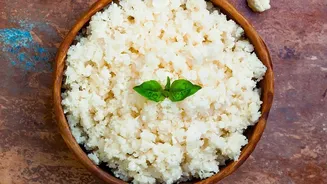
Polished white rice is a cultural icon, but its journey to the plate strips it of vital nutrients. The milling and polishing process removes the outer bran and germ, which are packed with fiber, vitamins, and minerals. What's left is mostly simple starch,
which digests quickly. This leads to a rapid spike in blood sugar, followed by a crash that can leave you feeling hungry and tired soon after a meal. With a mere 0.2g of fiber per 100g, a diet heavily reliant on white rice can contribute to digestive issues and offers limited nutritional benefits beyond quick energy.
Enter Foxtail Millet: The Fiber-Rich Powerhouse
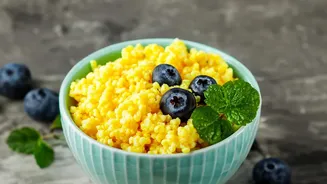
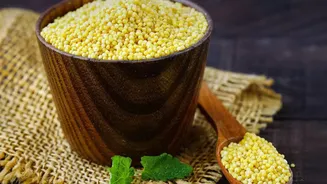
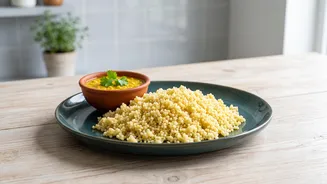
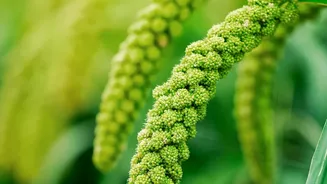
Foxtail millet, known as 'kangni' or 'thinai', is a nutritional champion and an excellent replacement for rice. The most significant difference is its fiber content. Unpolished foxtail millet contains around 8 grams of fiber per 100 grams—nearly 40 times more than white rice. This high fiber content aids digestion, promotes feelings of fullness to help with weight management, and supports a healthy gut. It also has a low glycemic index (around 50 compared to white rice's 73), meaning it releases sugar into the bloodstream more slowly, providing sustained energy and making it a smarter choice for blood sugar control.
Sorghum's Strengths: Protein and Minerals
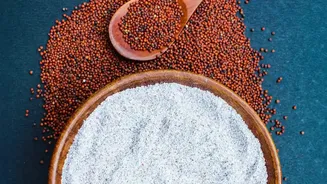
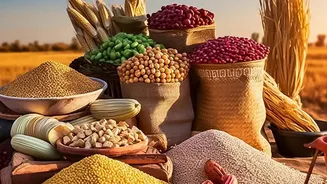
Sorghum, or 'jowar', is another ancient grain that easily outshines white rice. It is a gluten-free grain that is a good source of protein and fiber. Studies have shown that sorghum contains a higher protein content than many rice varieties, making it beneficial for muscle maintenance and overall satiety. It's also richer in essential minerals like iron and magnesium, which are crucial for preventing anemia and supporting hundreds of bodily functions. Like foxtail millet, sorghum's complex carbohydrates and fiber contribute to a lower glycemic index, offering better blood sugar regulation than refined grains.
Beyond Fiber: More Reasons to Make the Switch
The benefits of millets extend far beyond just fiber. Foxtail millet, for example, delivers nearly double the protein of white rice (12.3g vs. 6.8g per 100g). This is a significant boost, especially for vegetarian diets. Millets are also packed with micronutrients that are stripped from polished rice. Foxtail millet has three times more calcium and four times more iron than white rice, supporting bone health and energy levels. Since all millets are naturally gluten-free, they are an excellent and safe staple for individuals with celiac disease or gluten sensitivity.
Easy Millet Cooking Hacks
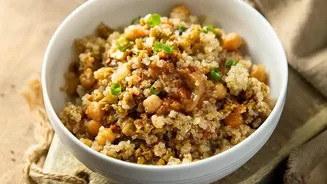
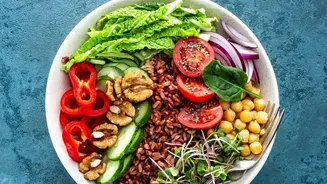
Swapping rice for millets doesn't have to be complicated. You can cook foxtail millet and sorghum just like rice. A good rule of thumb is to soak the millets for at least an hour, which softens them and reduces cooking time. For one cup of foxtail millet, use about two to three cups of water. You can cook it in an open pot until the water is absorbed or use a pressure cooker. Start by substituting half your usual portion of rice with cooked millet to get accustomed to the new texture and nutty flavor. Millet can be used to make everything from a simple steamed side dish to pulao, khichdi, and even lemon rice.