




Beyond a Simple Swap
The key to a successful substitution isn’t finding an ingredient that looks or sounds similar; it's understanding the role the original ingredient was supposed to play. Each component in a recipe has a job, whether it’s providing structure, moisture,
flavour, or something else entirely. Simply swapping one for another without considering its function is a gamble. Most failed substitutions can be traced back to this misunderstanding. When a swap doesn't work, it's usually because the replacement didn't perform the same function as the original, leading to a dish that's too dry, too bland, or just texturally wrong. Thinking like a chef means asking 'What does this ingredient do?' before you ask 'What can I use instead?'
Think About The Feeling: Texture First
Texture is one of the most important, yet overlooked, elements in cooking. It’s how food feels in your mouth and contributes immensely to how we perceive flavor and enjoy a meal. A dish with varied textures—like a creamy soup with crunchy croutons—is more satisfying and prevents palate fatigue. When you're missing an ingredient, first identify its textural contribution. Was it providing crunch, creaminess, chewiness, or crispiness? Preserving that texture is crucial. For example, iceberg lettuce might not add much flavour to a sandwich, but its crisp, watery crunch is essential. Without it, the sandwich can feel lifeless. By focusing on replicating the feeling of an ingredient, you’re already halfway to a successful substitution.
A Guide to Textural Swaps
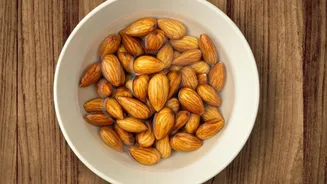
Once you know the texture you need to replace, you can shop your pantry for options. Need a CRUNCHY element for a salad or topping? Toasted nuts, seeds, crushed crackers, fried onions, or croutons are all excellent stand-ins. Missing a CREAMY component? Depending on the dish, you could turn to Greek yogurt, sour cream, mashed avocado, soft goat cheese, or a drizzle of tahini. For a CHEWY bite, consider dried fruit, roasted chickpeas, or hearty grains like farro. The goal is to match the sensation. If your recipe called for breadcrumbs on a baked dish, crushed pretzels or potato chips can provide a similar crispy, salty crust. The key is to think in categories of texture rather than specific items.
The Secret Weapon: Understanding Acidity
Acidity is the secret ingredient that makes food come alive. Often mistaken for just 'sourness', its role is much more nuanced. Acid brightens and enhances other flavours, much like salt does. It cuts through richness and fat, which is why a squeeze of lime is so perfect on tacos, or why barbecue sauce pairs so well with fatty pork. A dish that tastes flat or heavy is often just missing a touch of acid. Ingredients like citrus juices, vinegars, tomatoes, wine, and even buttermilk or yogurt bring this essential element. Understanding when a dish needs this lift is a game-changer for any home cook. It’s the difference between a good meal and a great one.
Choosing Your Brightener
When you need to substitute an acidic ingredient, think about the flavour profile of the dish. While many acids can provide a similar brightening effect, they aren't all interchangeable. No lemon for a salad dressing? Another citrus like lime will work, but so could white wine vinegar or apple cider vinegar. Each brings a slightly different character. For rich, heavy dishes, a sharp vinegar can be more effective than a mild citrus. In some Asian cuisines, tamarind paste provides a tartness that's both sweet and sour. When substituting, add your acid slowly and taste as you go. It’s easy to add more, but impossible to remove if you've gone too far. The goal is balance, not overpowering sourness.
Your New Substitution Strategy
Let’s put it all together. Imagine a recipe calls for feta cheese in a grain bowl. What is the feta doing? First, it offers a crumbly, firm texture. Second, its salty, briny flavour provides an acidic kick. If you don't have feta, what's the plan? Don't just leave it out. Think: Texture + Acidity. For a similar creamy-crumbly texture, you could use goat cheese or cotija. Goat cheese also brings its own tang. Don't have another cheese? You could replicate the function with two ingredients. Add olives or capers for a salty, briny (acidic) punch, and a sprinkle of toasted walnuts or almonds for that firm, textural bite. By breaking down the ingredient's role, you've just created a thoughtful, delicious, and successful substitution without a last-minute trip to the store.